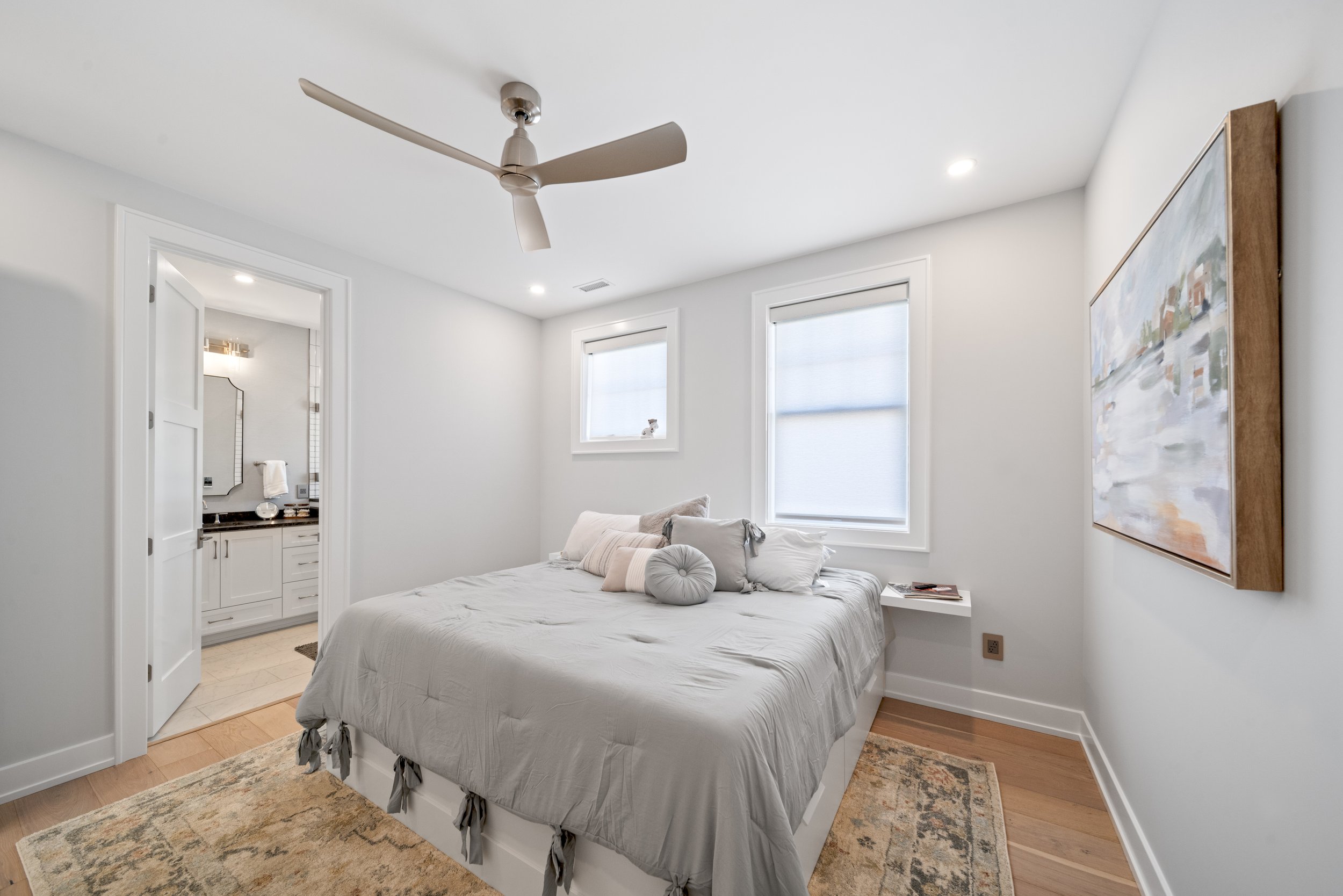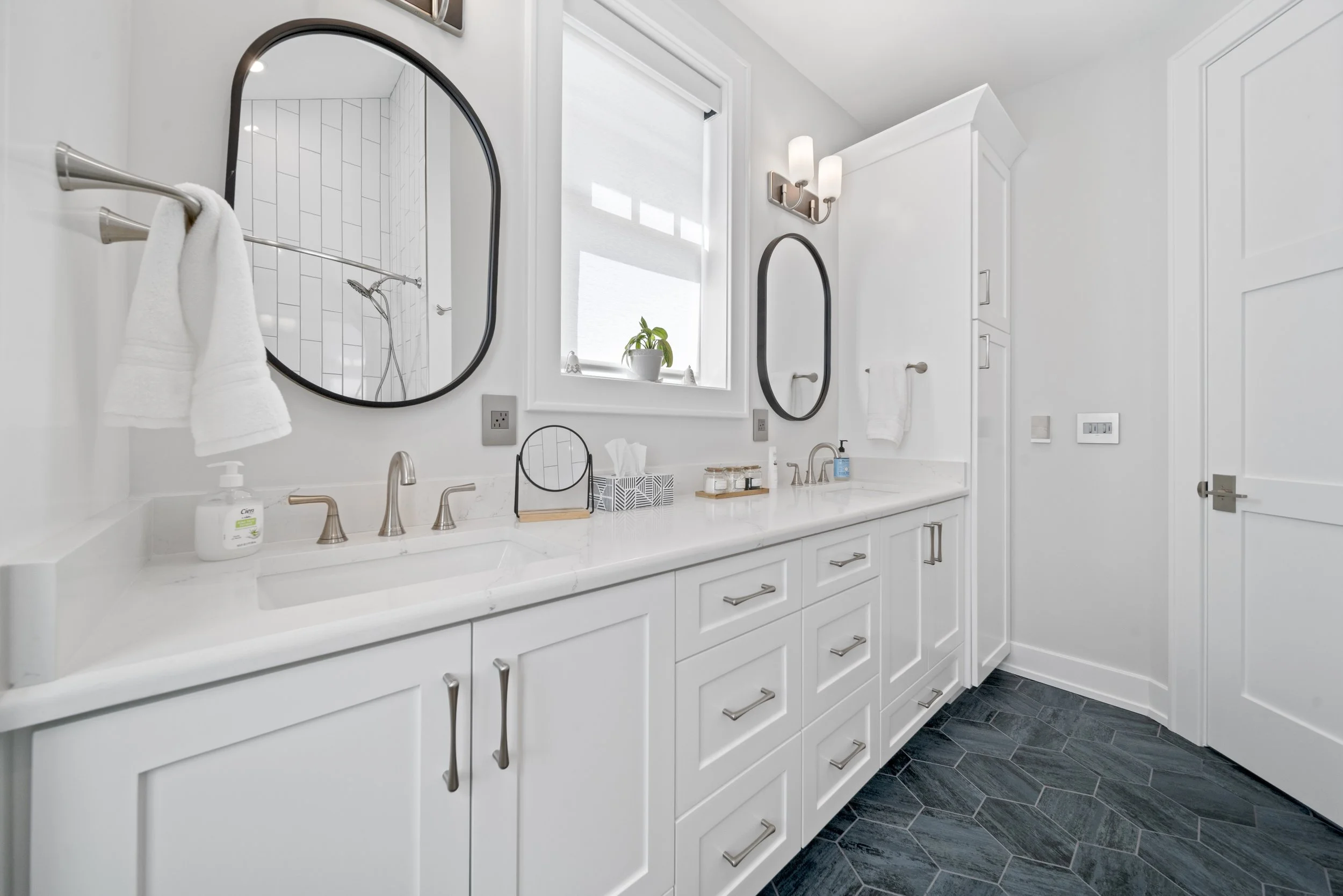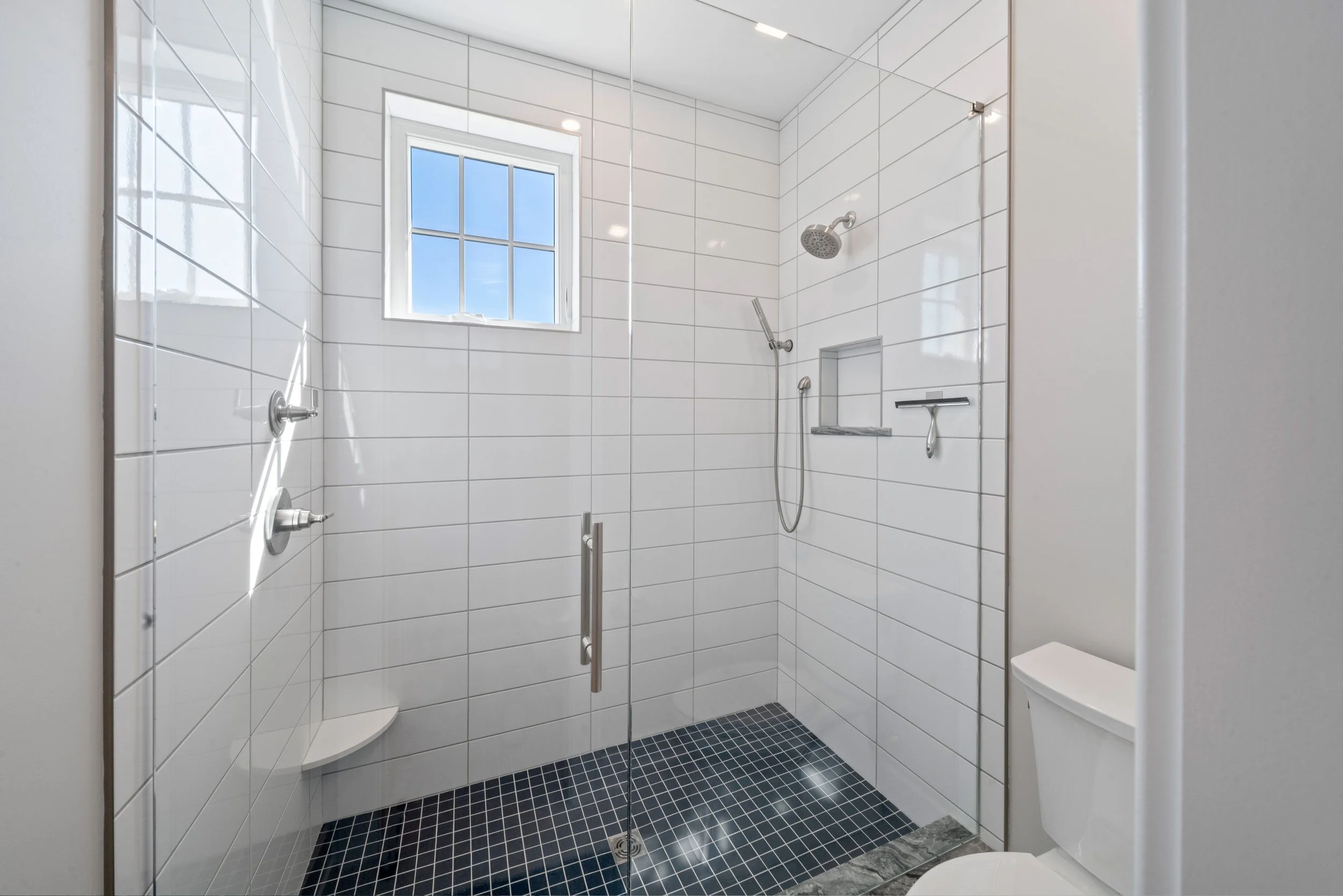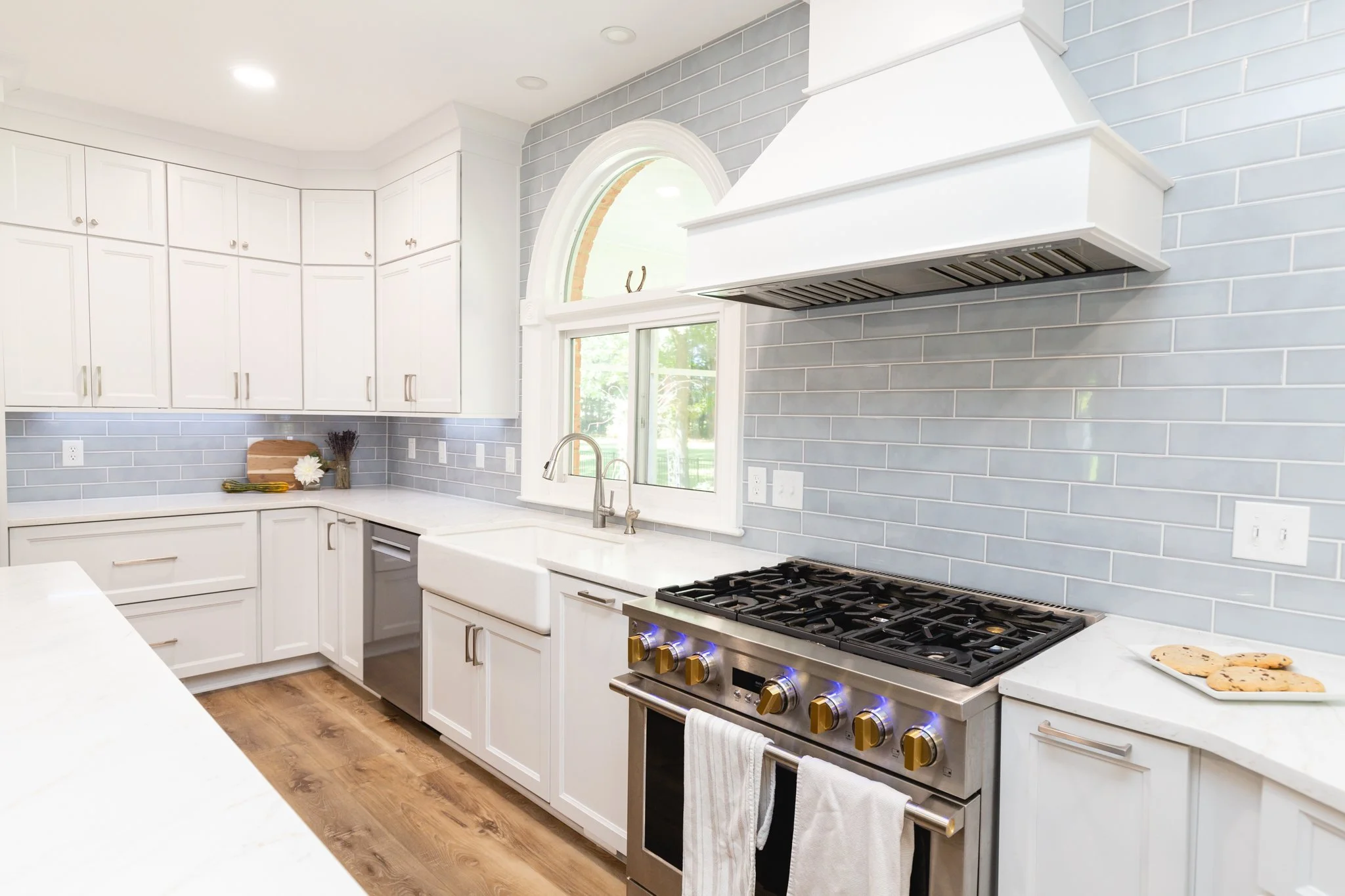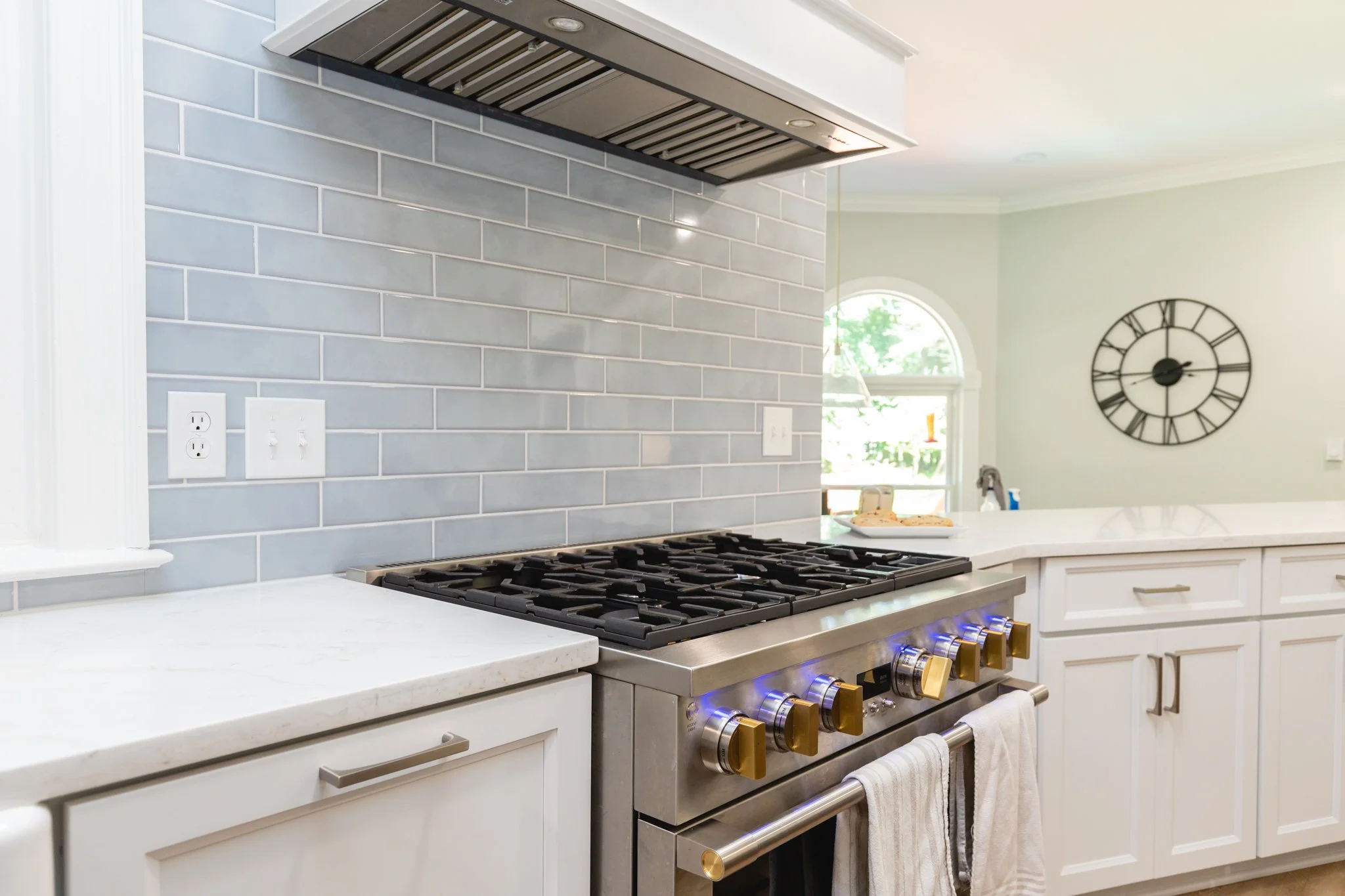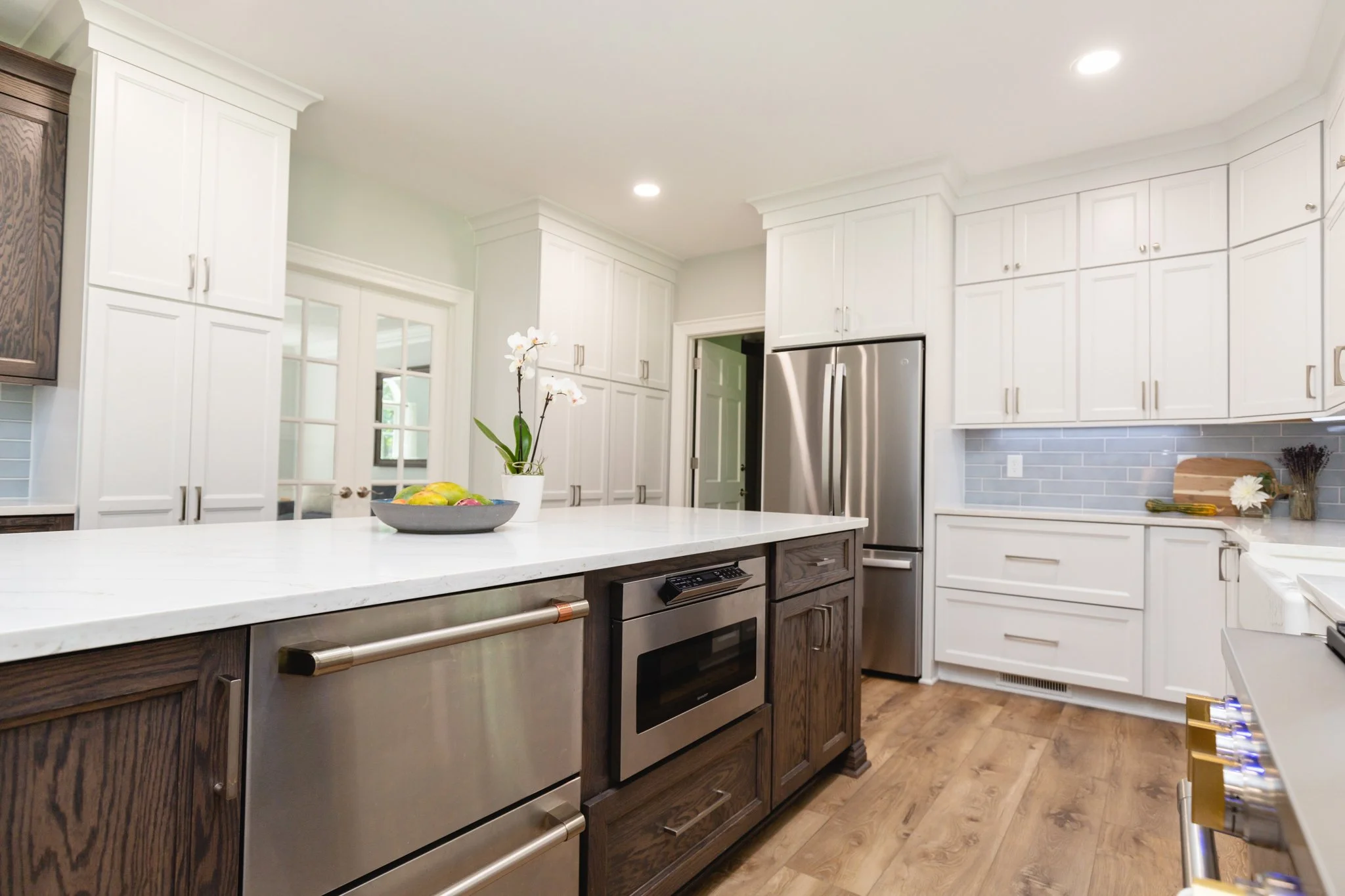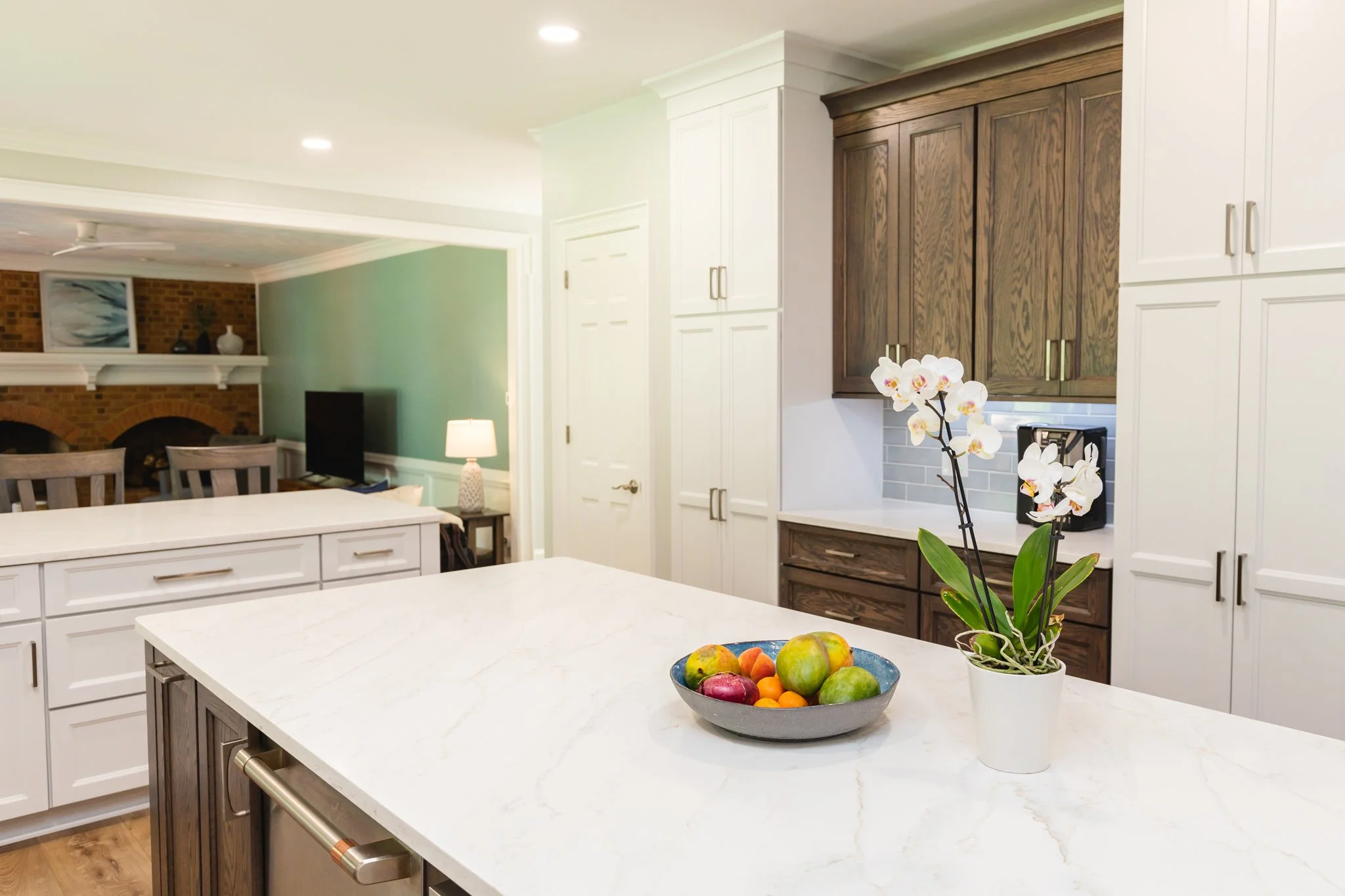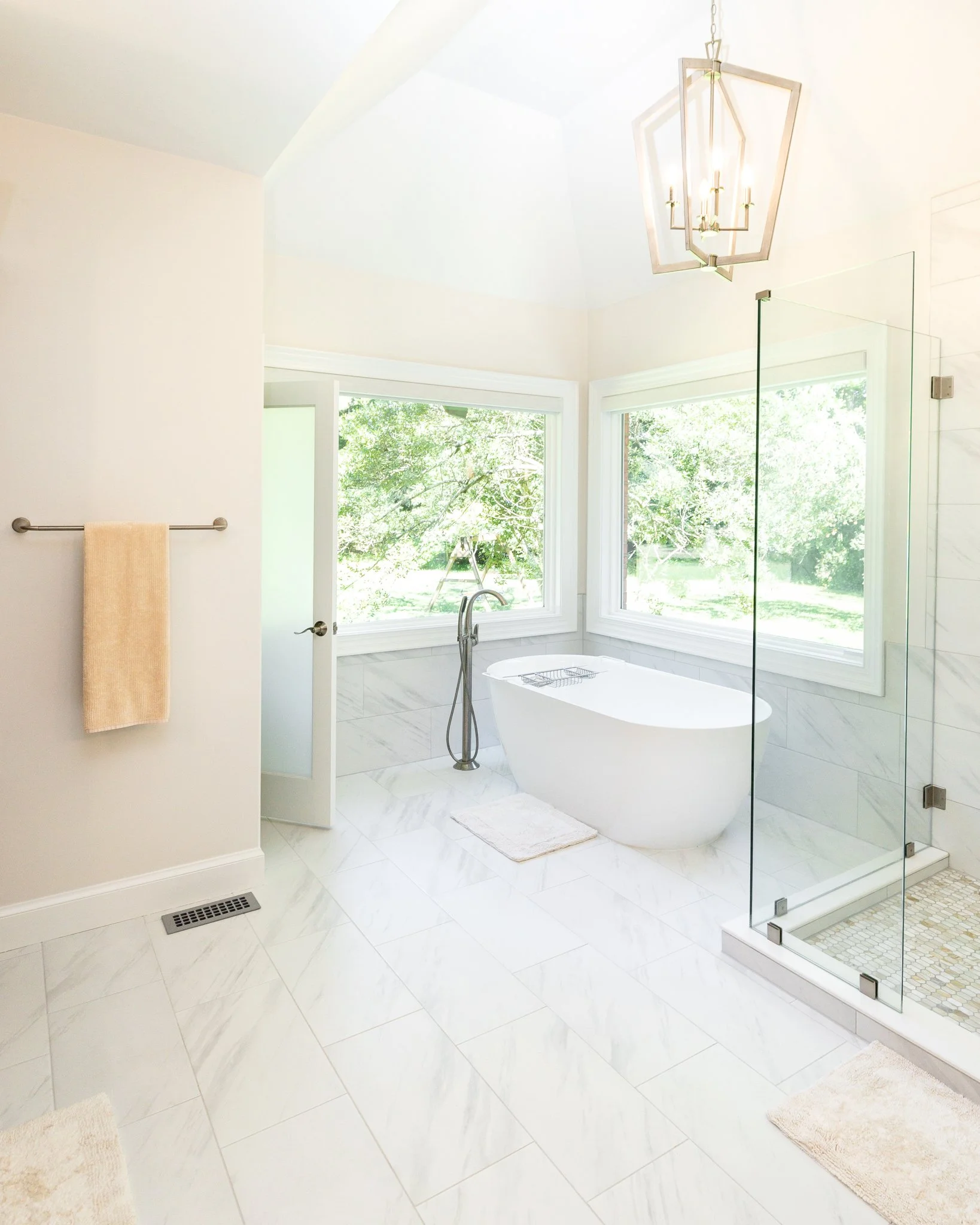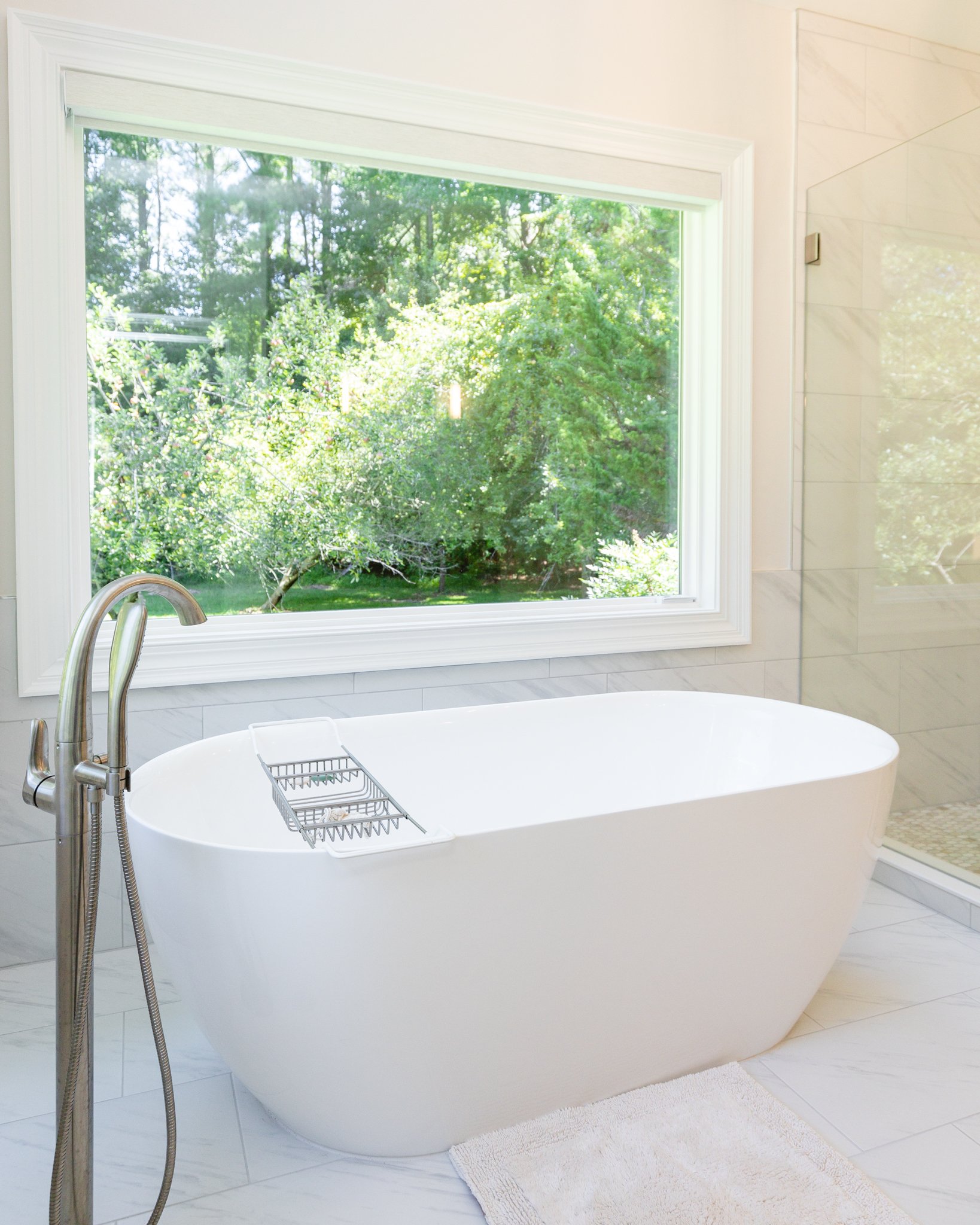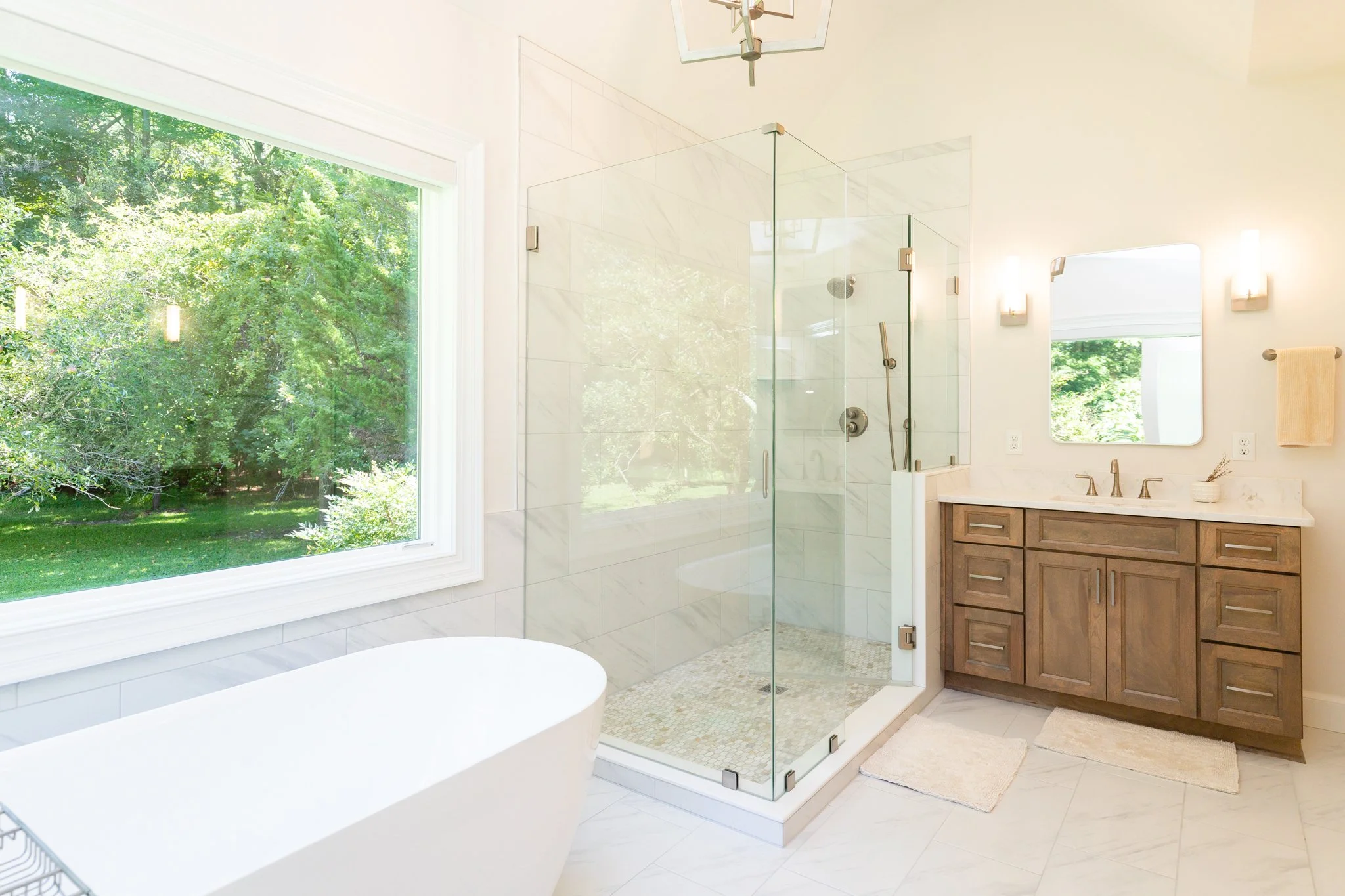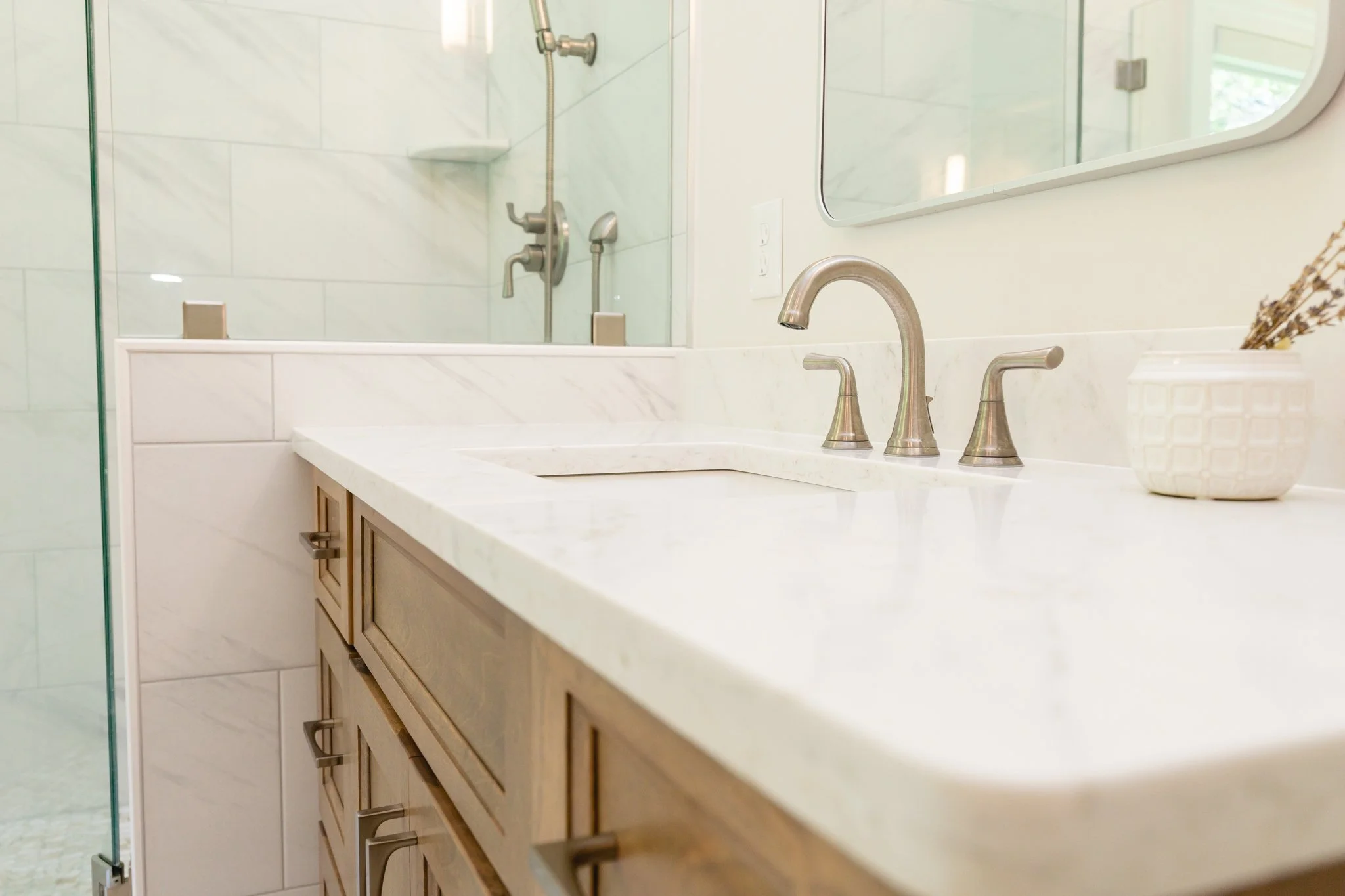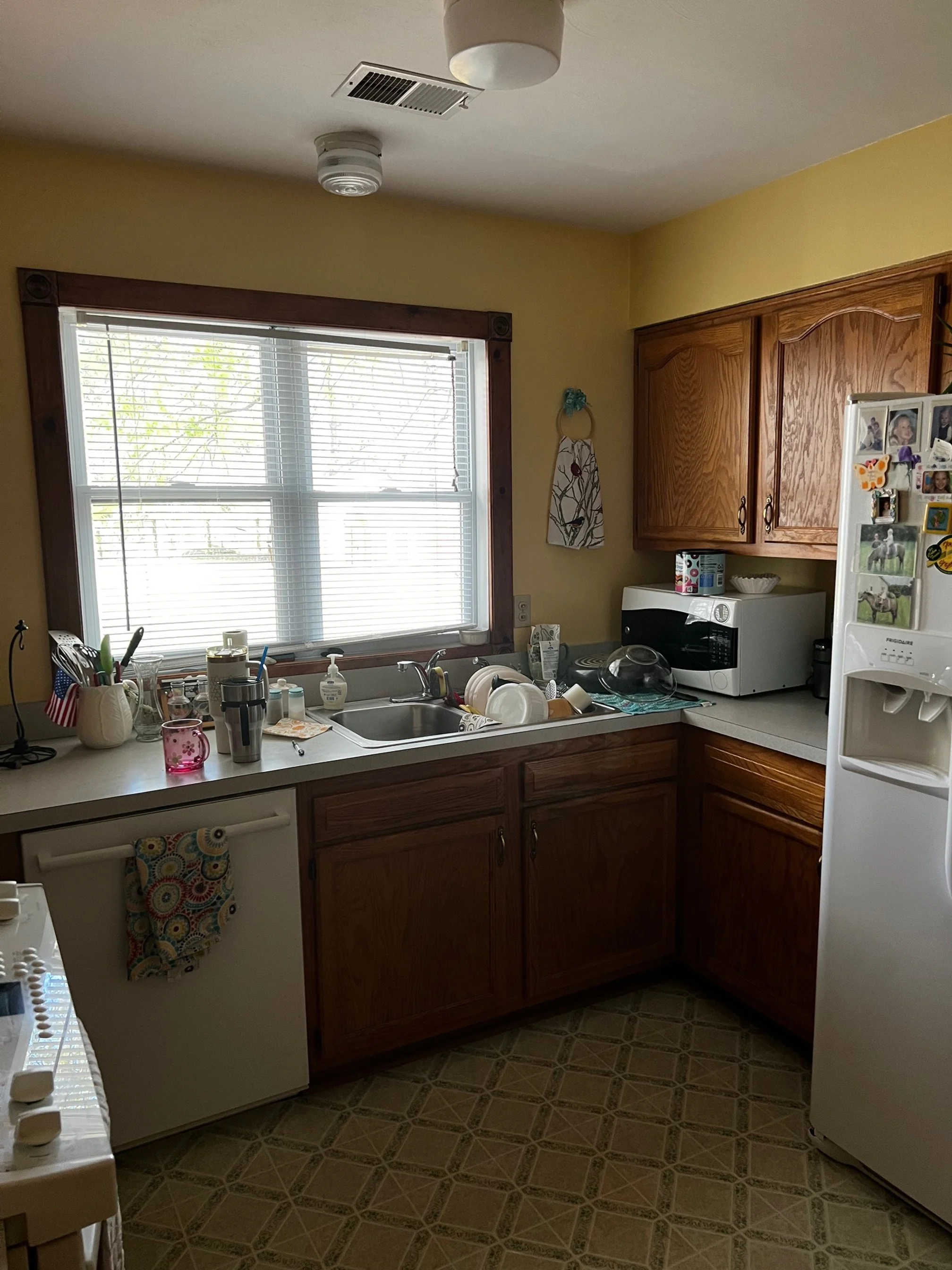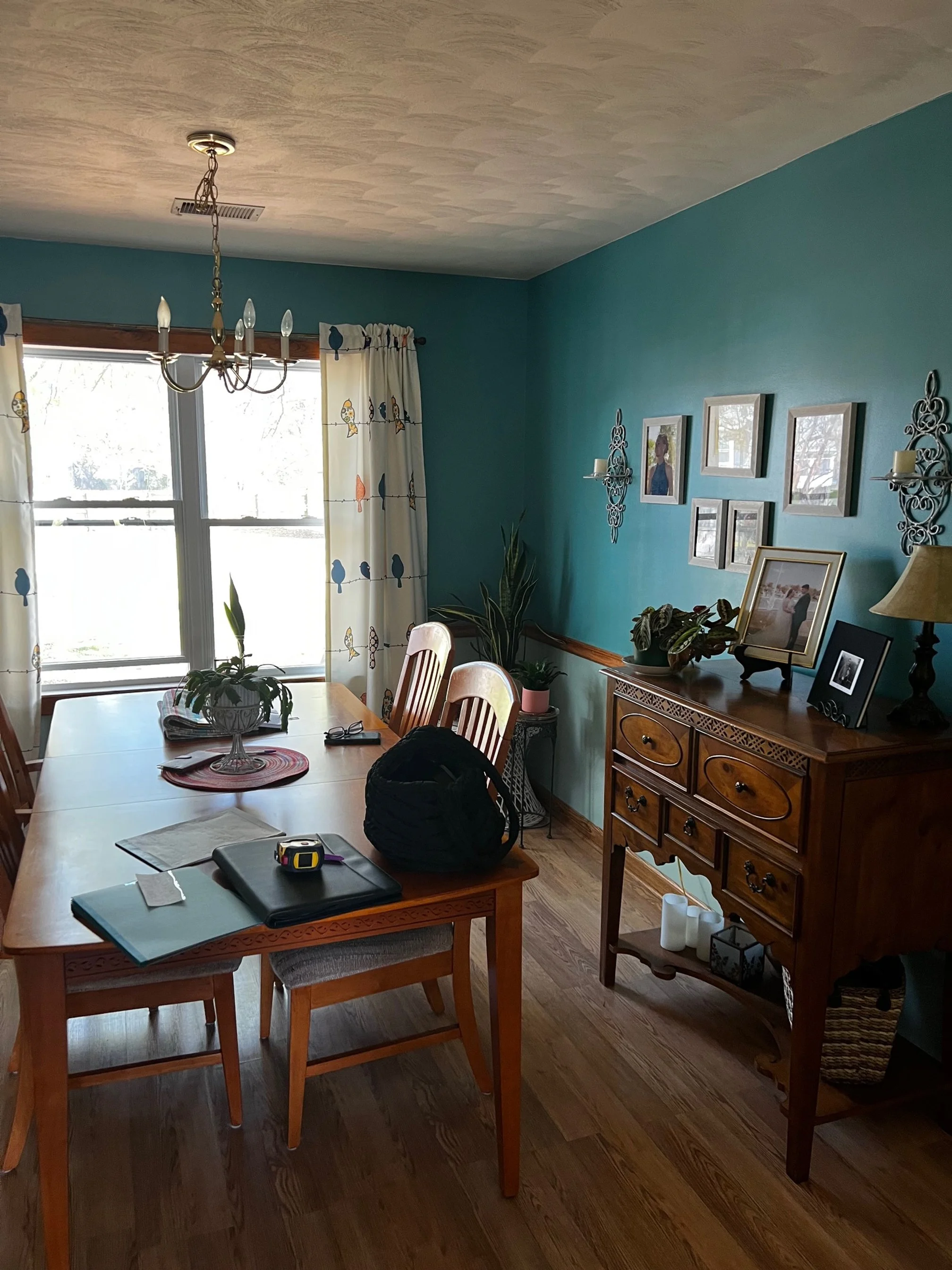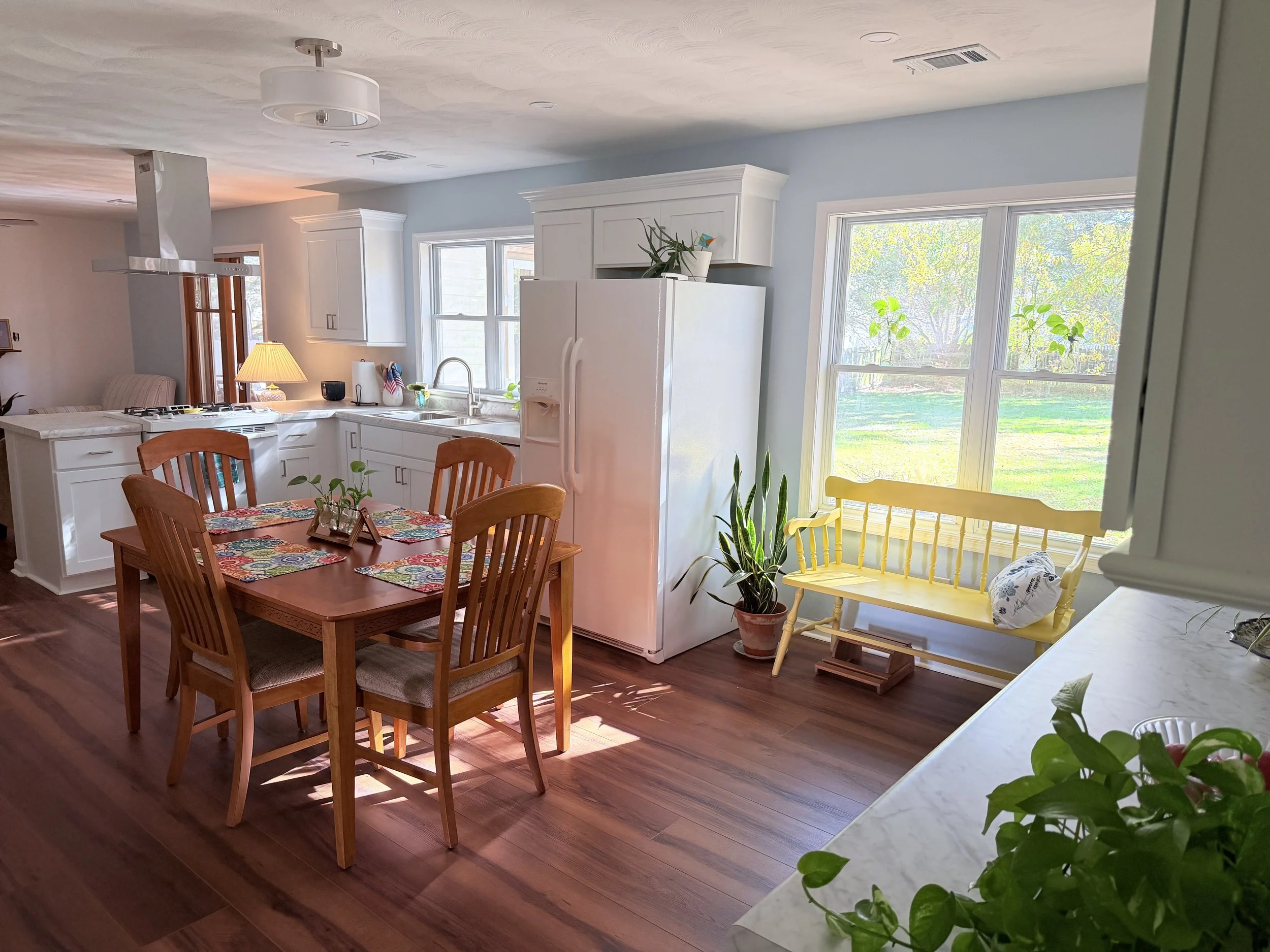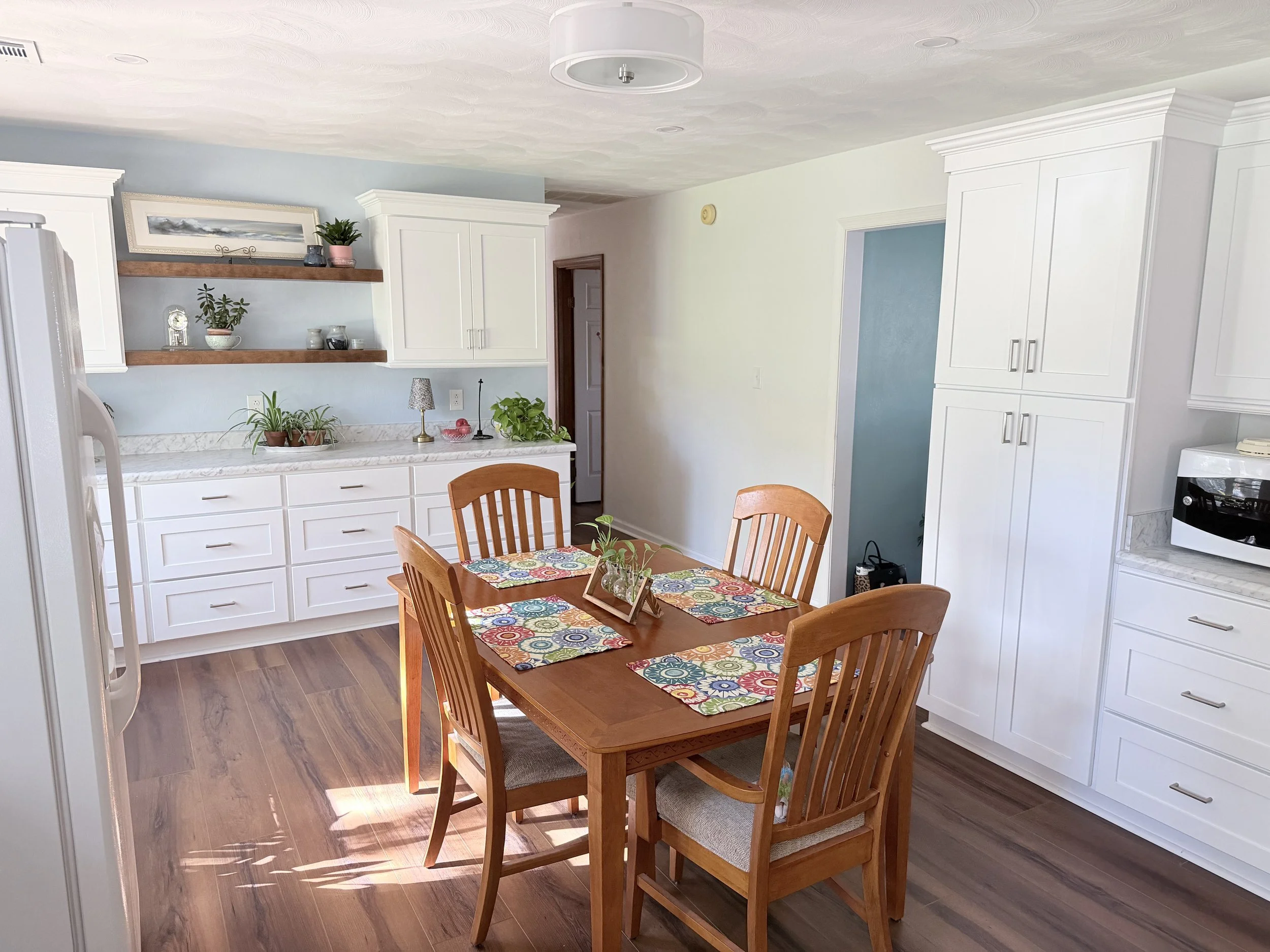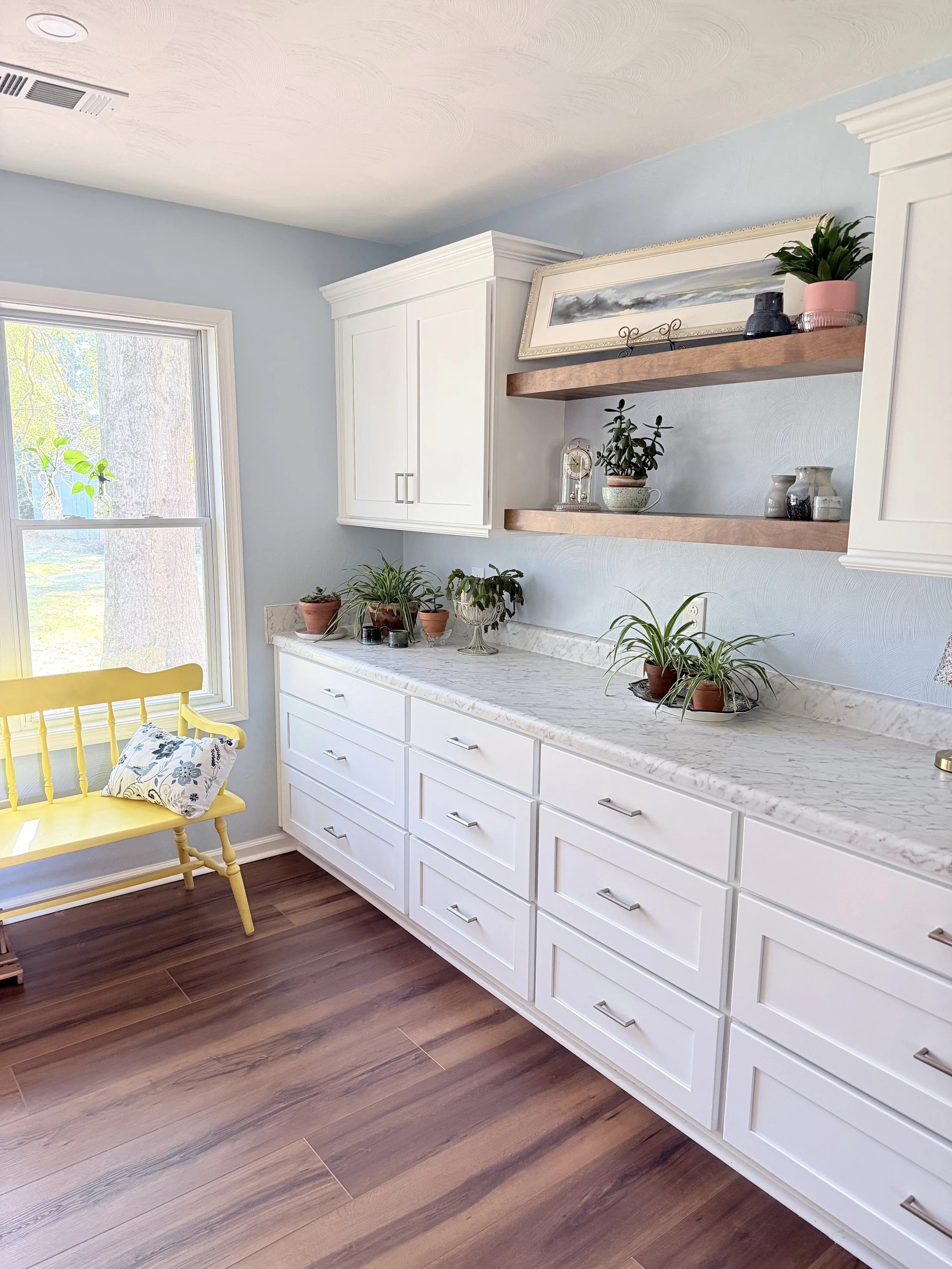
HALL BATH REMODEL - NORFOLK

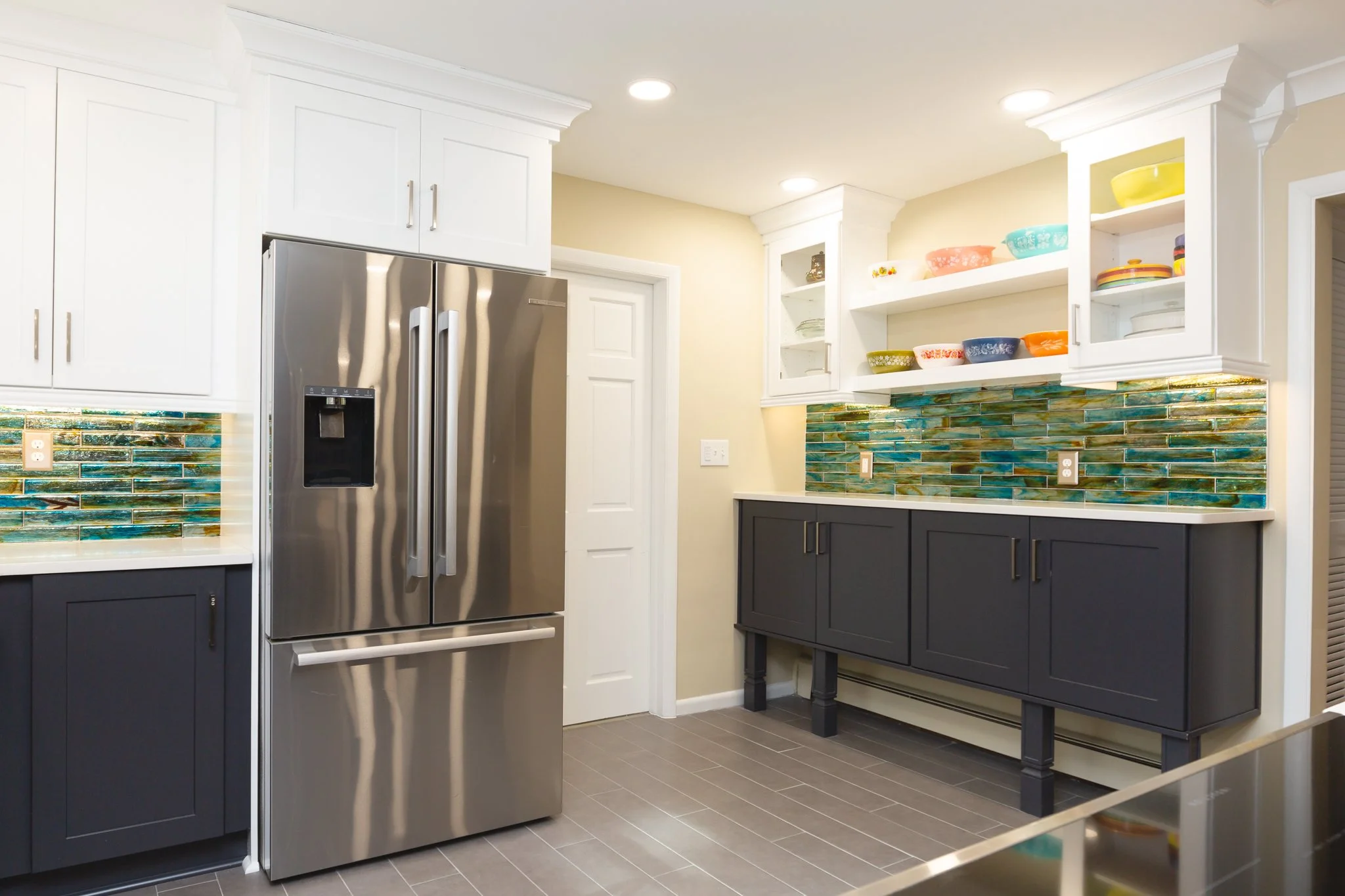
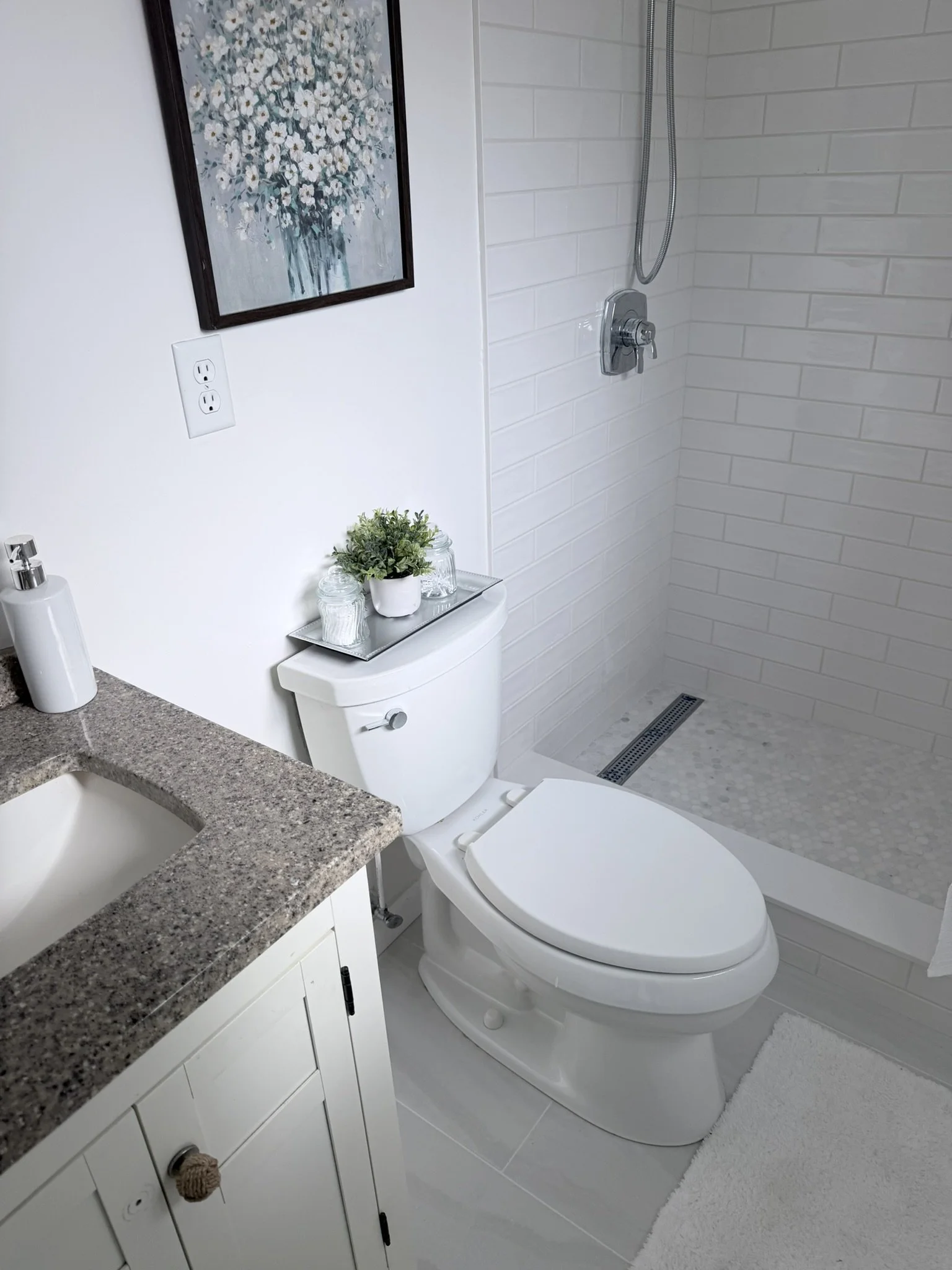
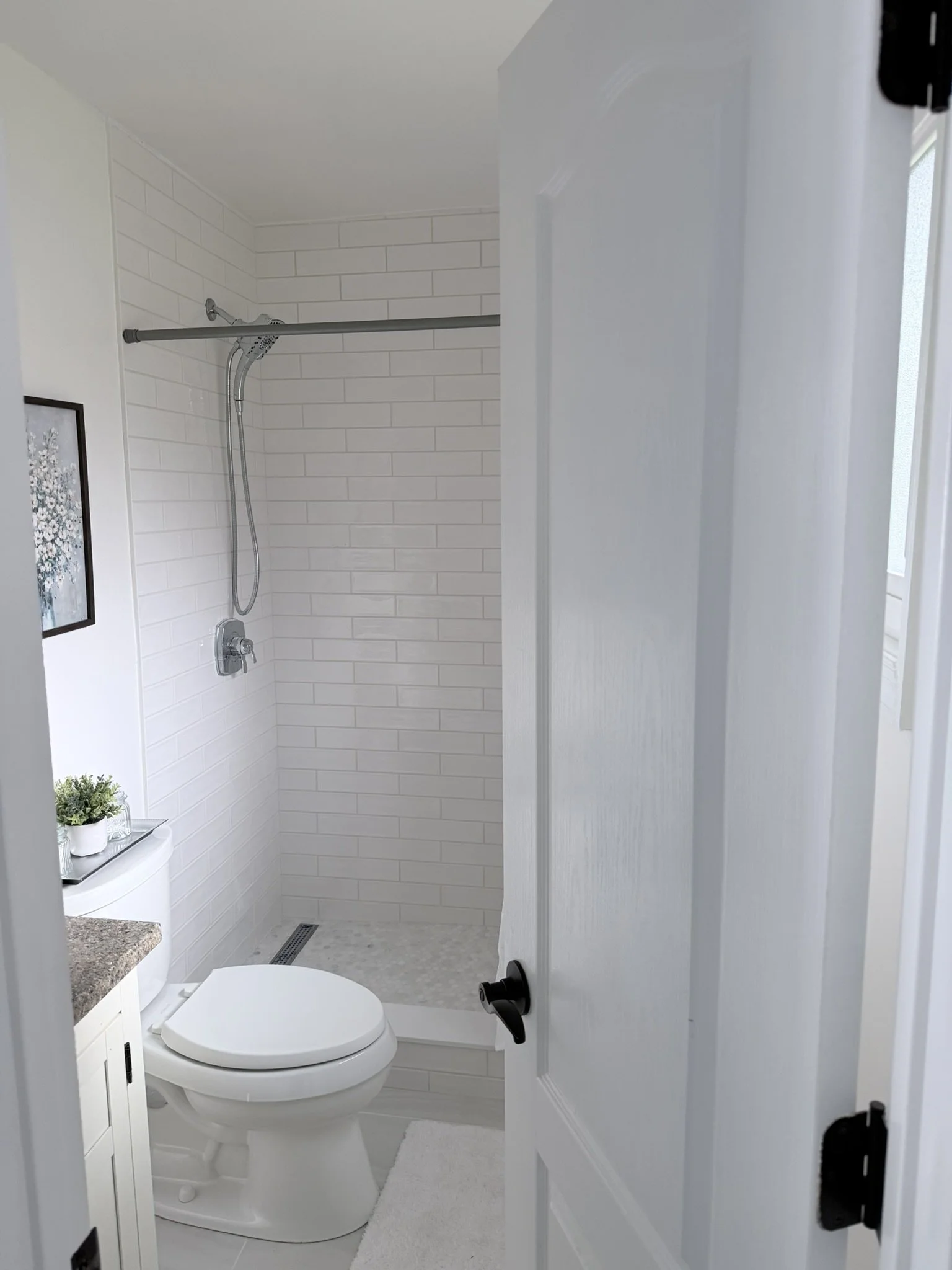
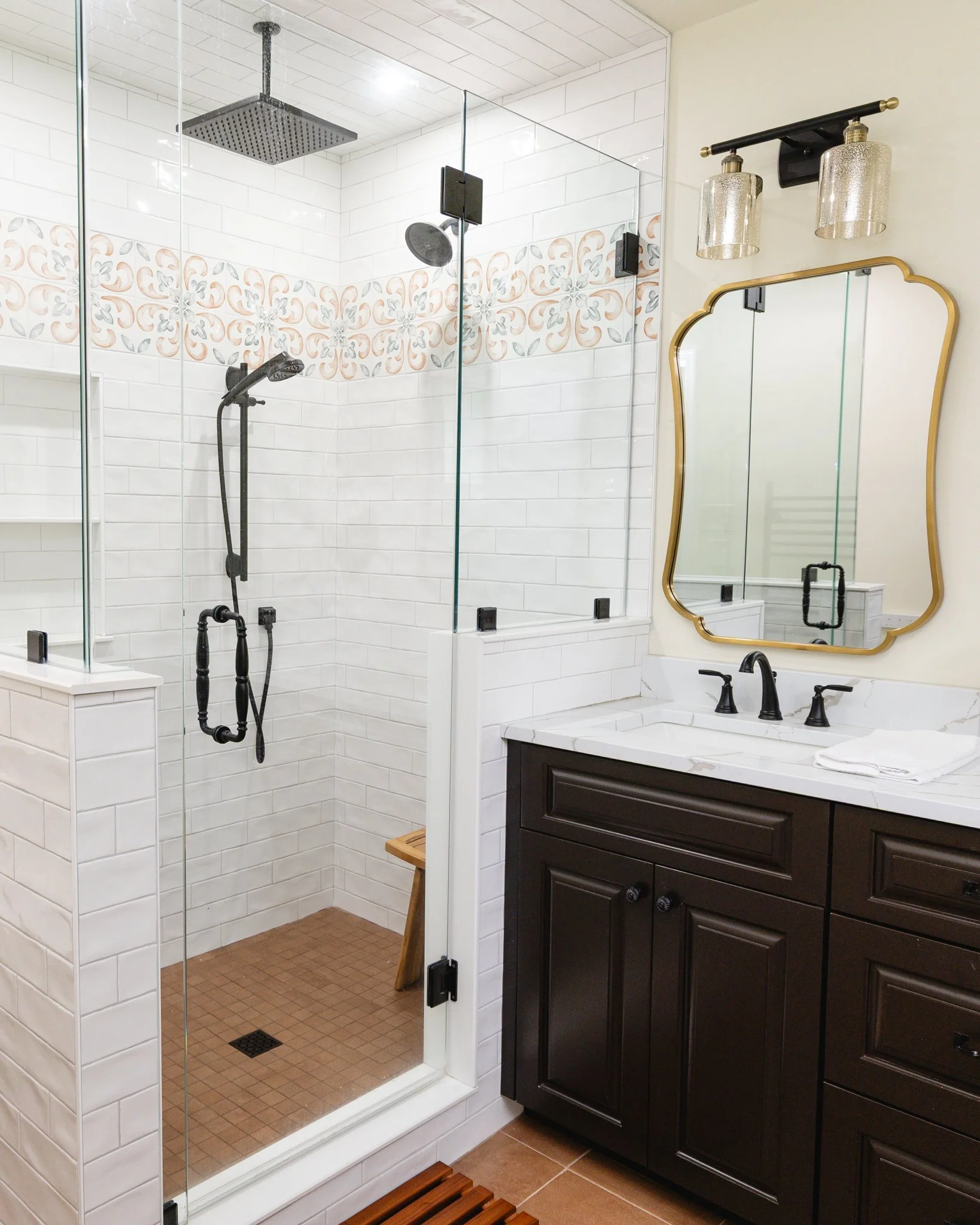
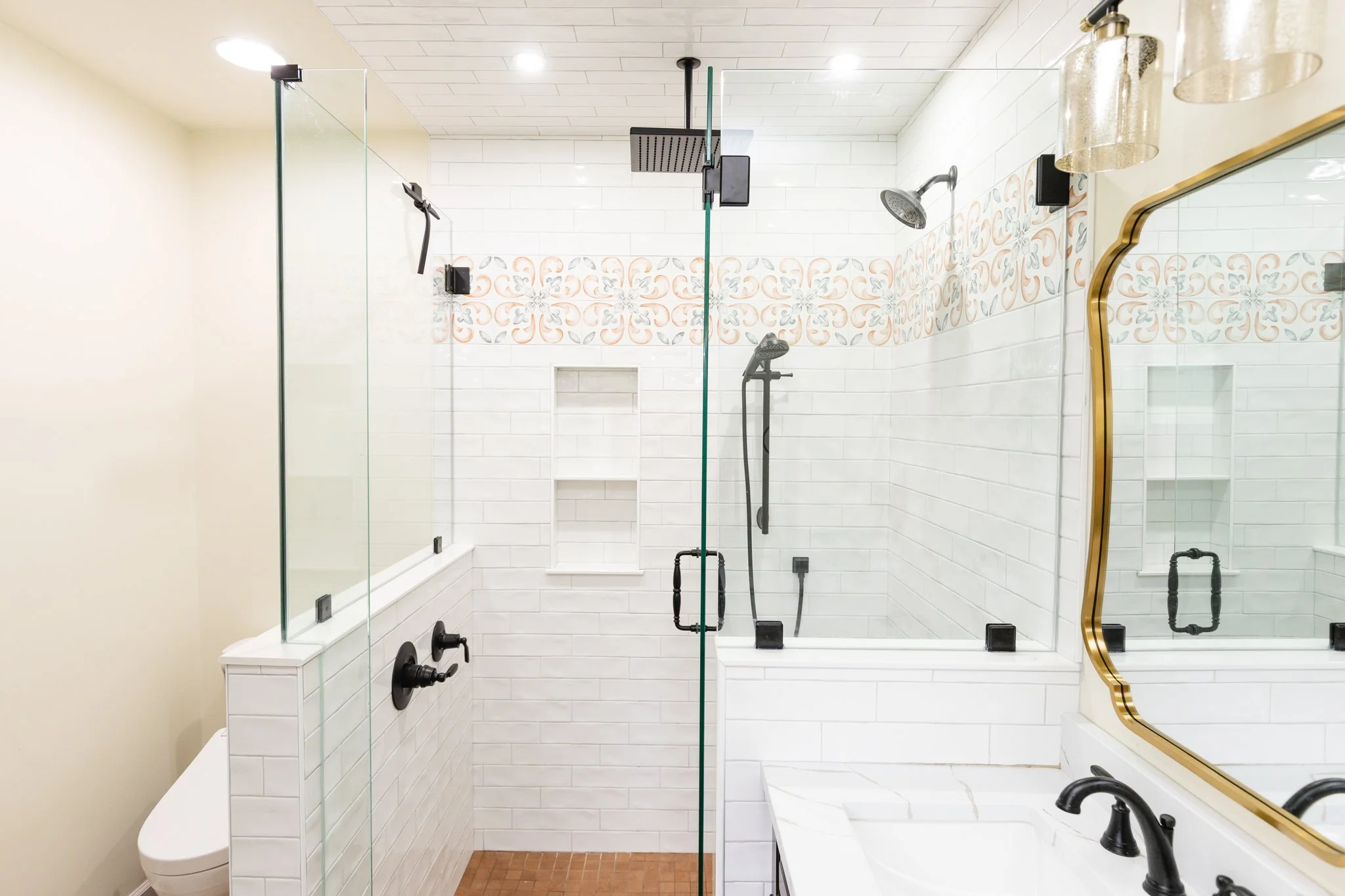
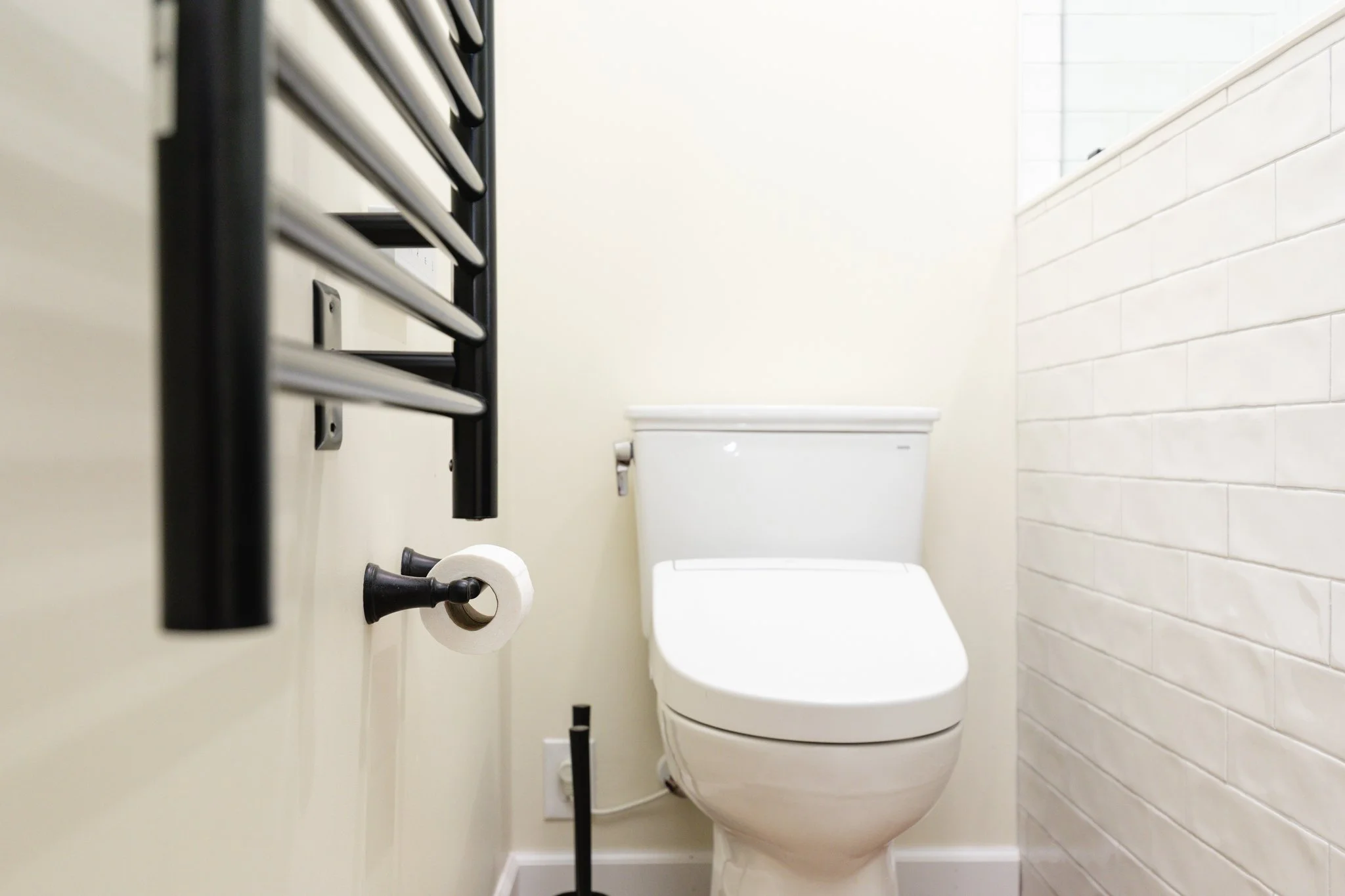
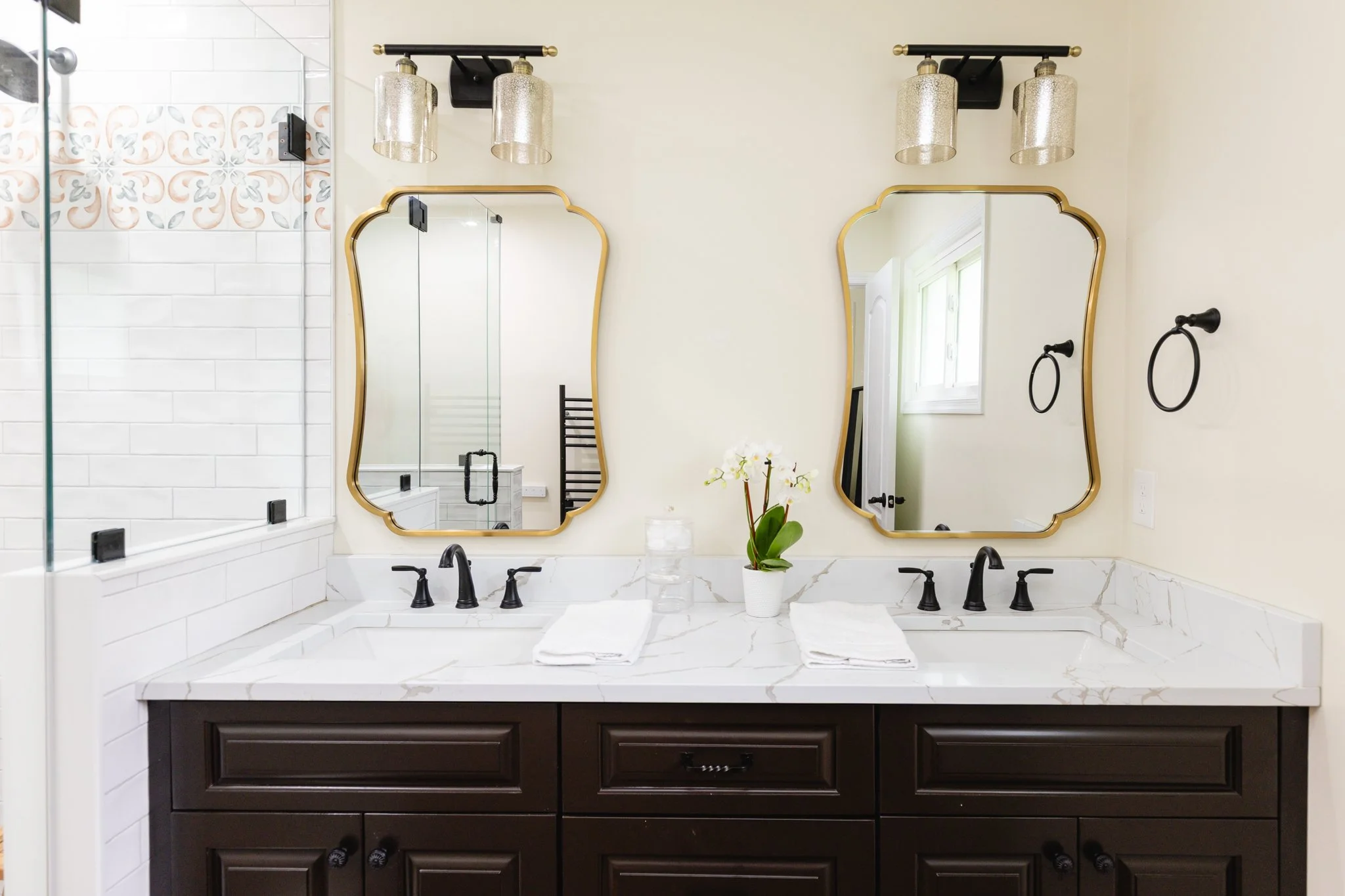
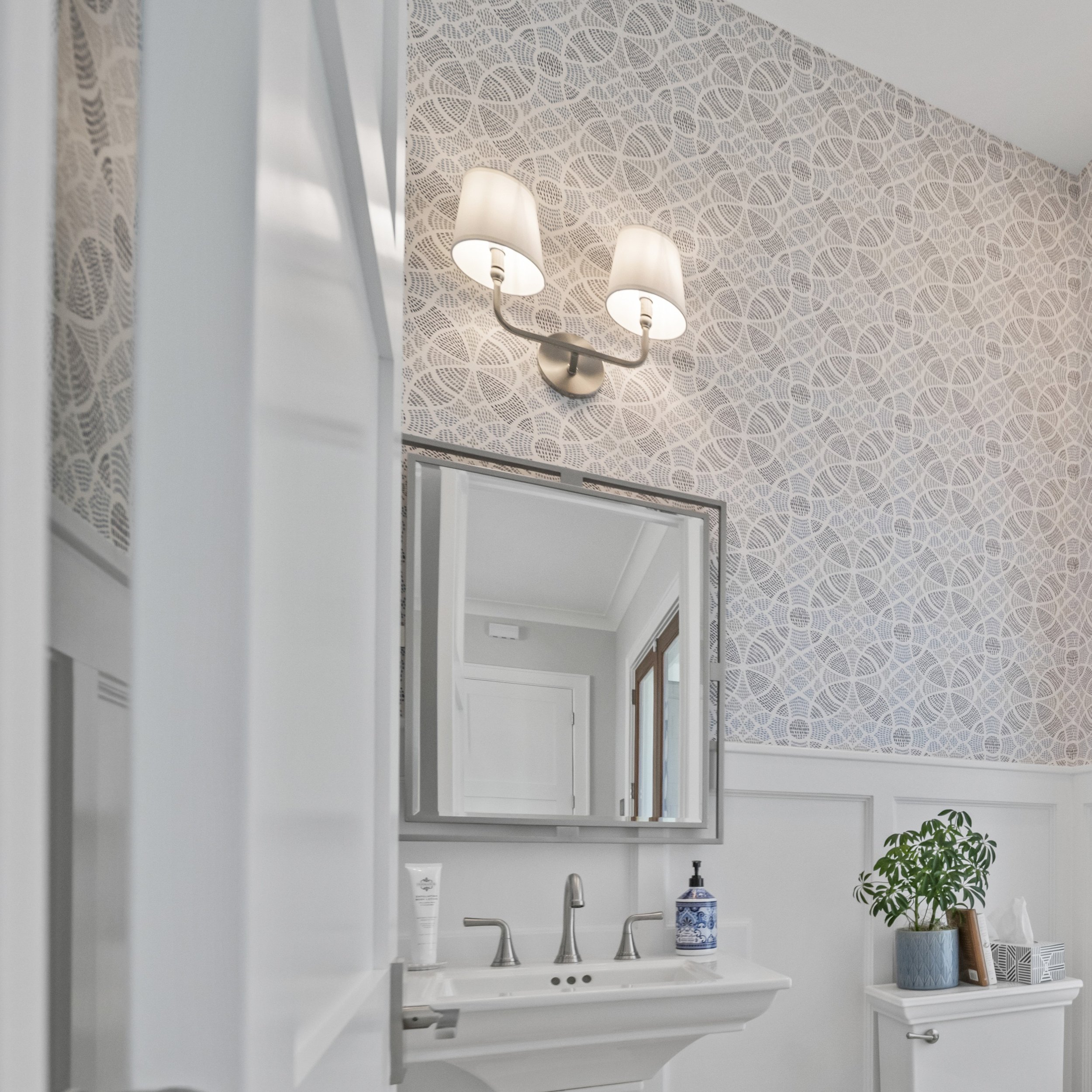
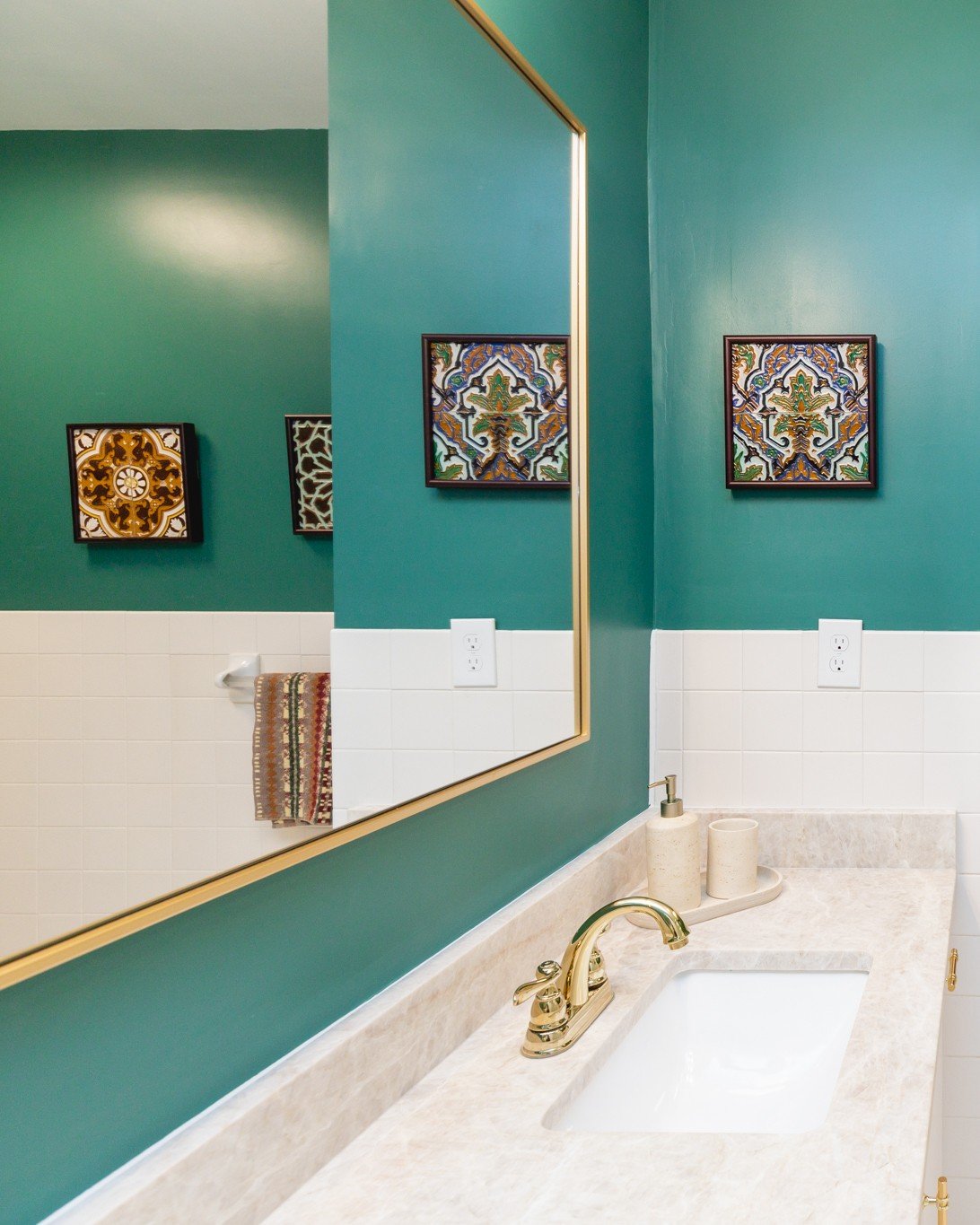
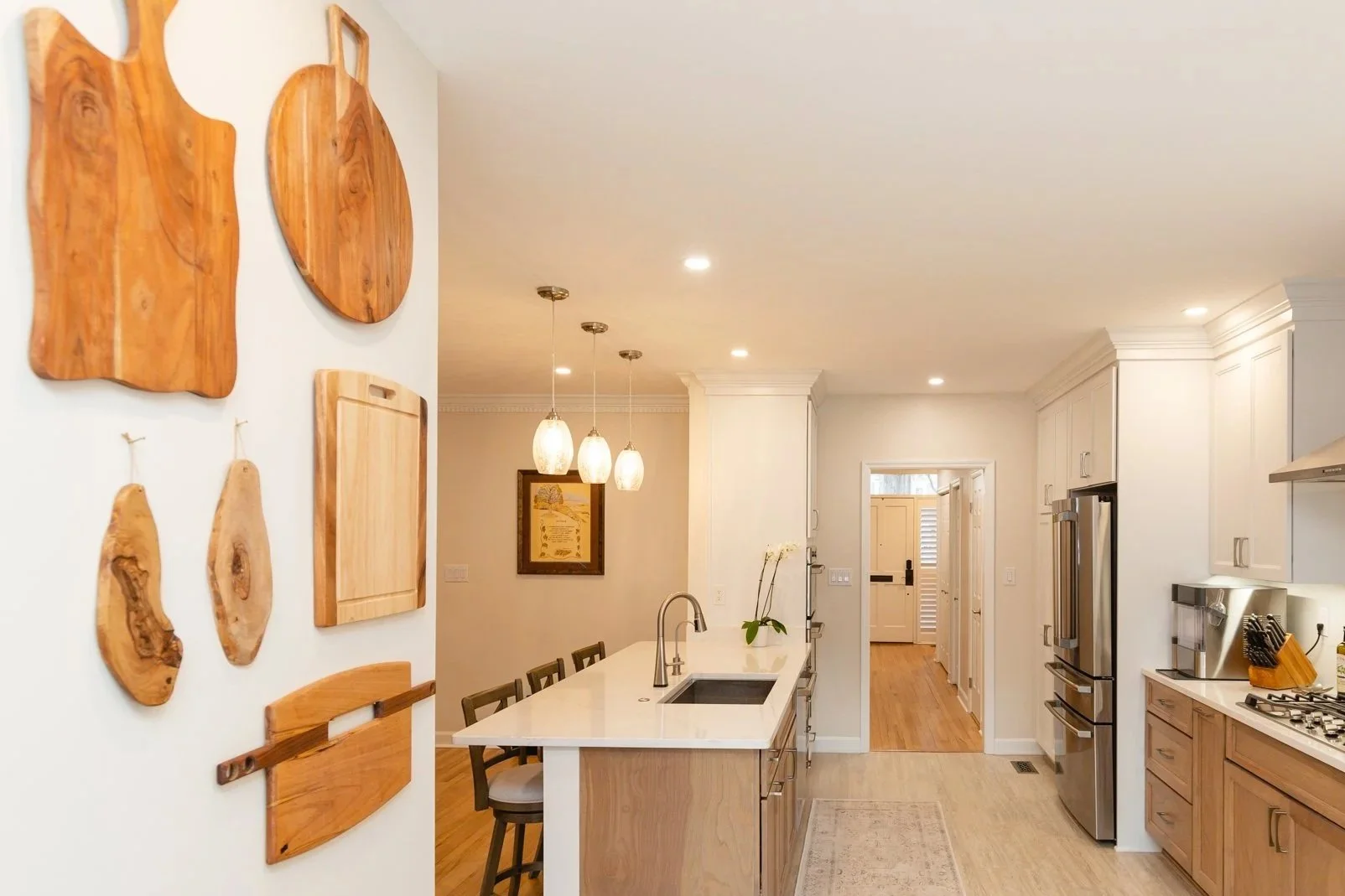
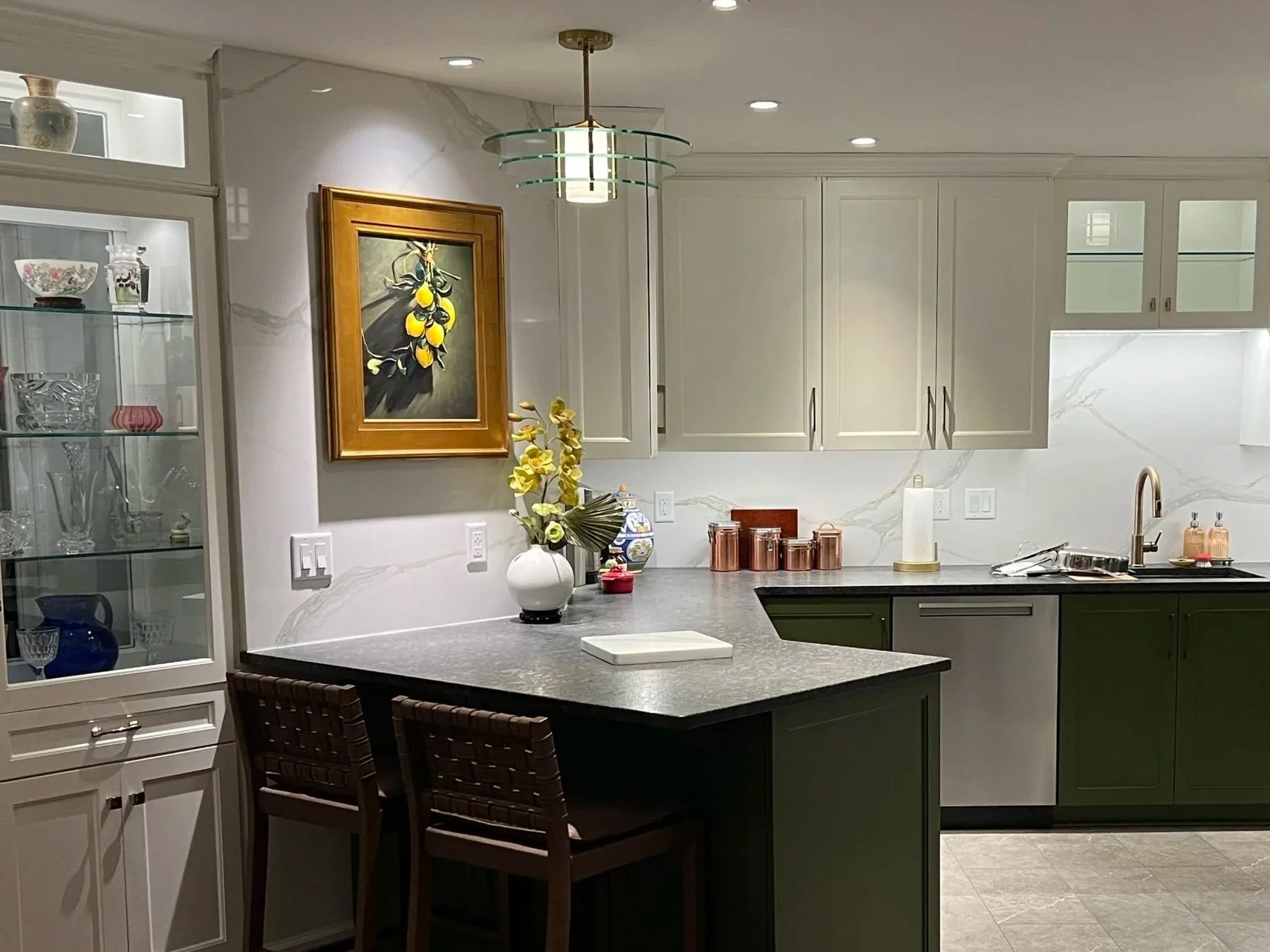
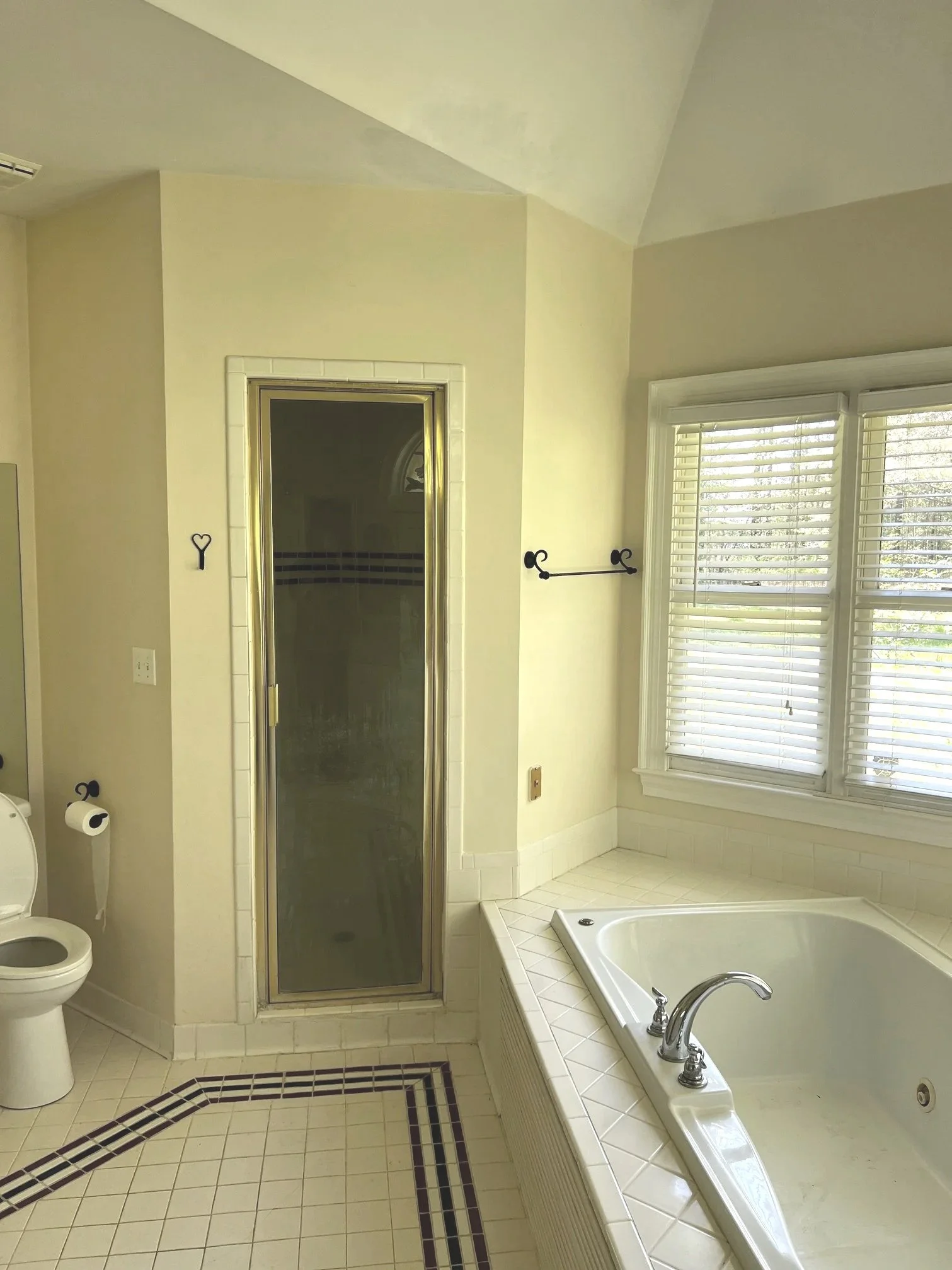
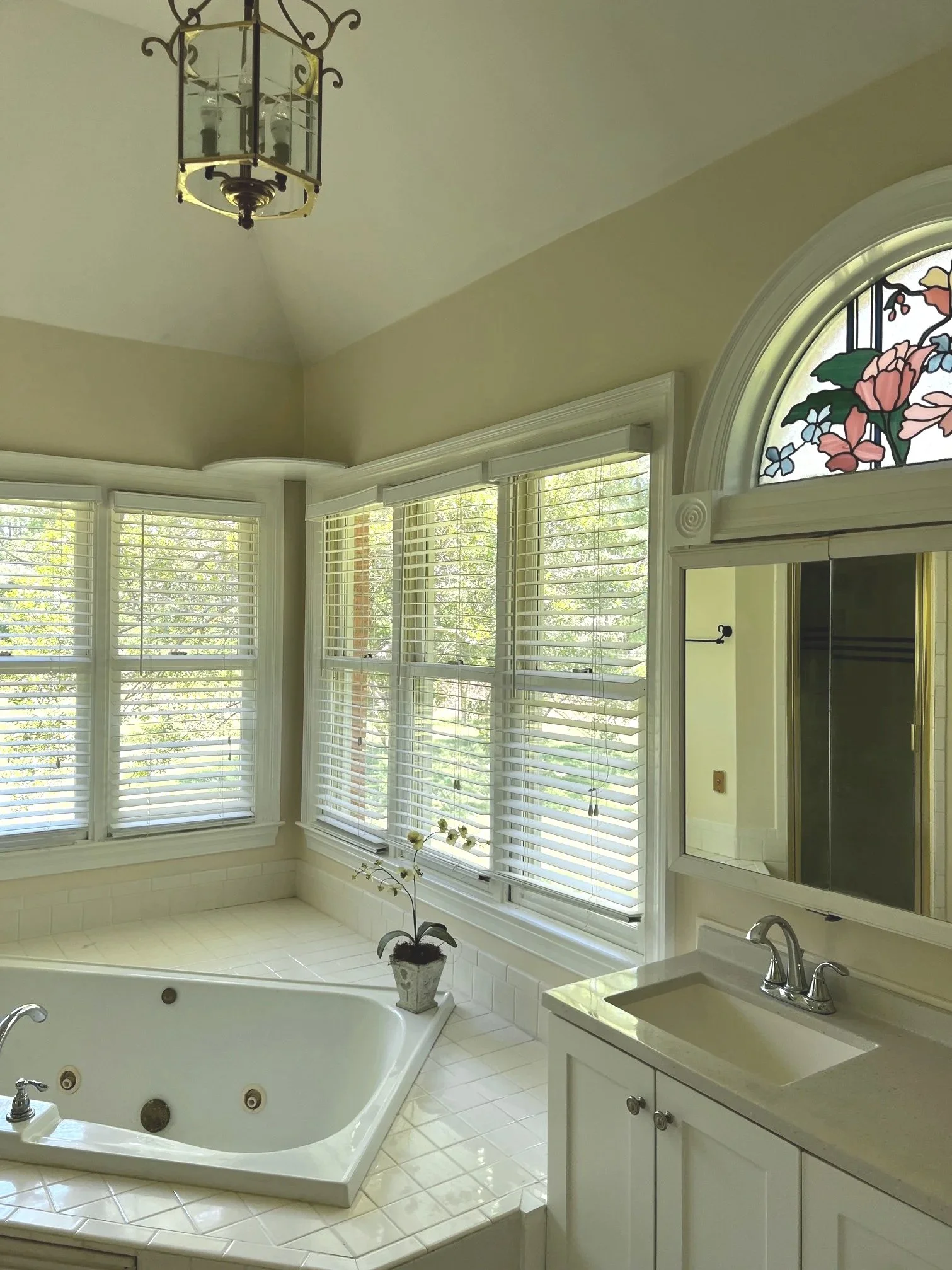
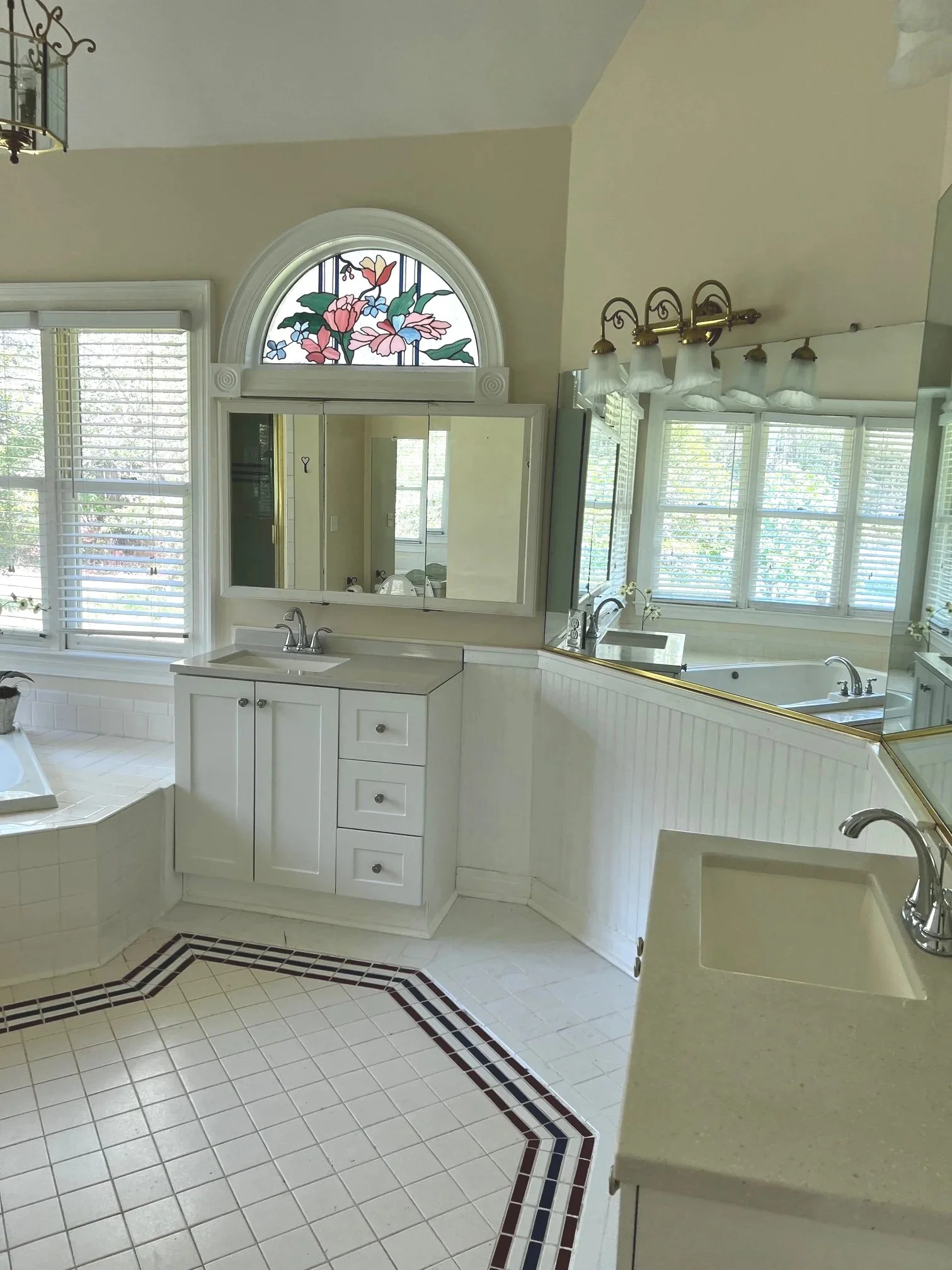
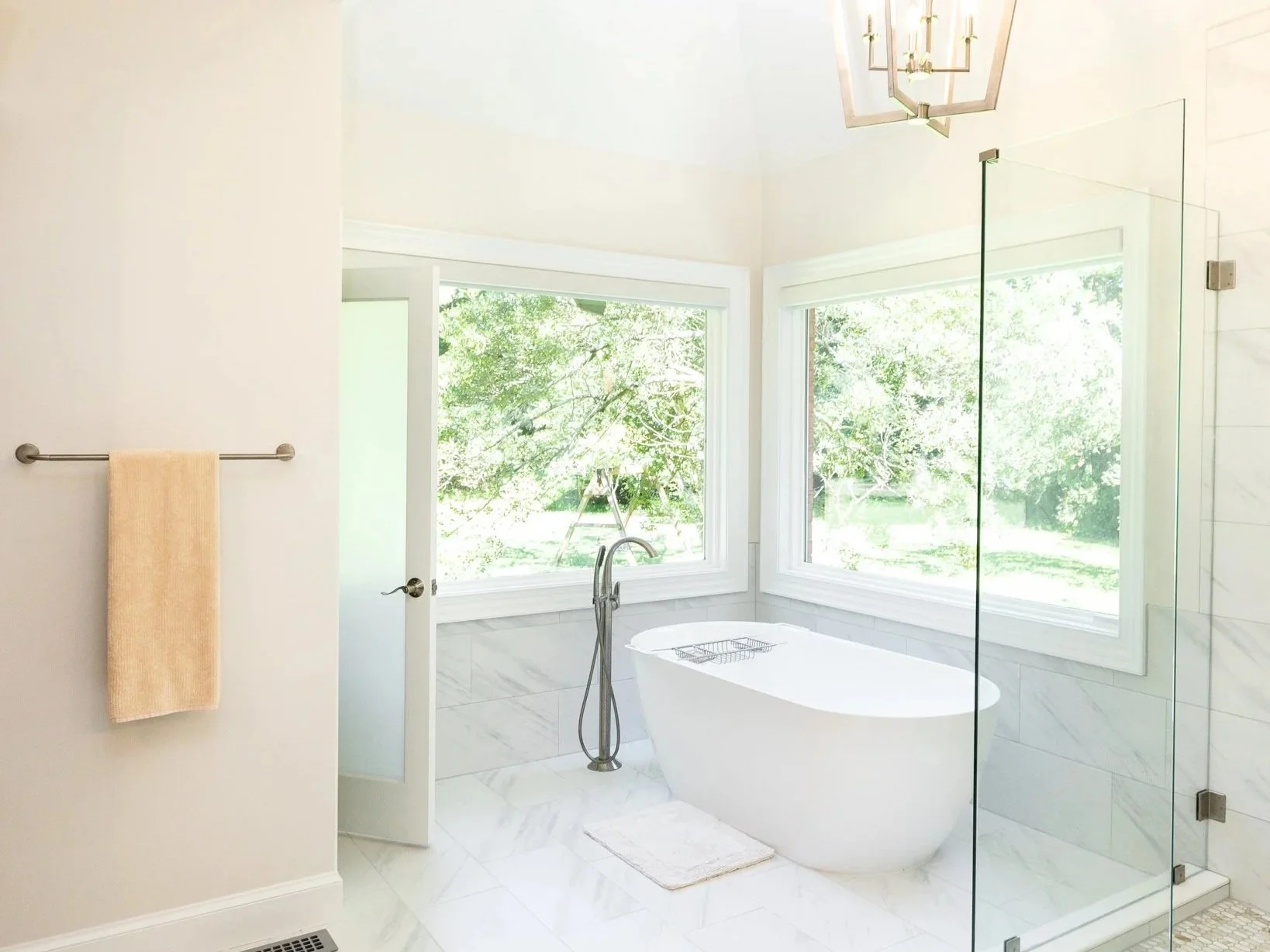
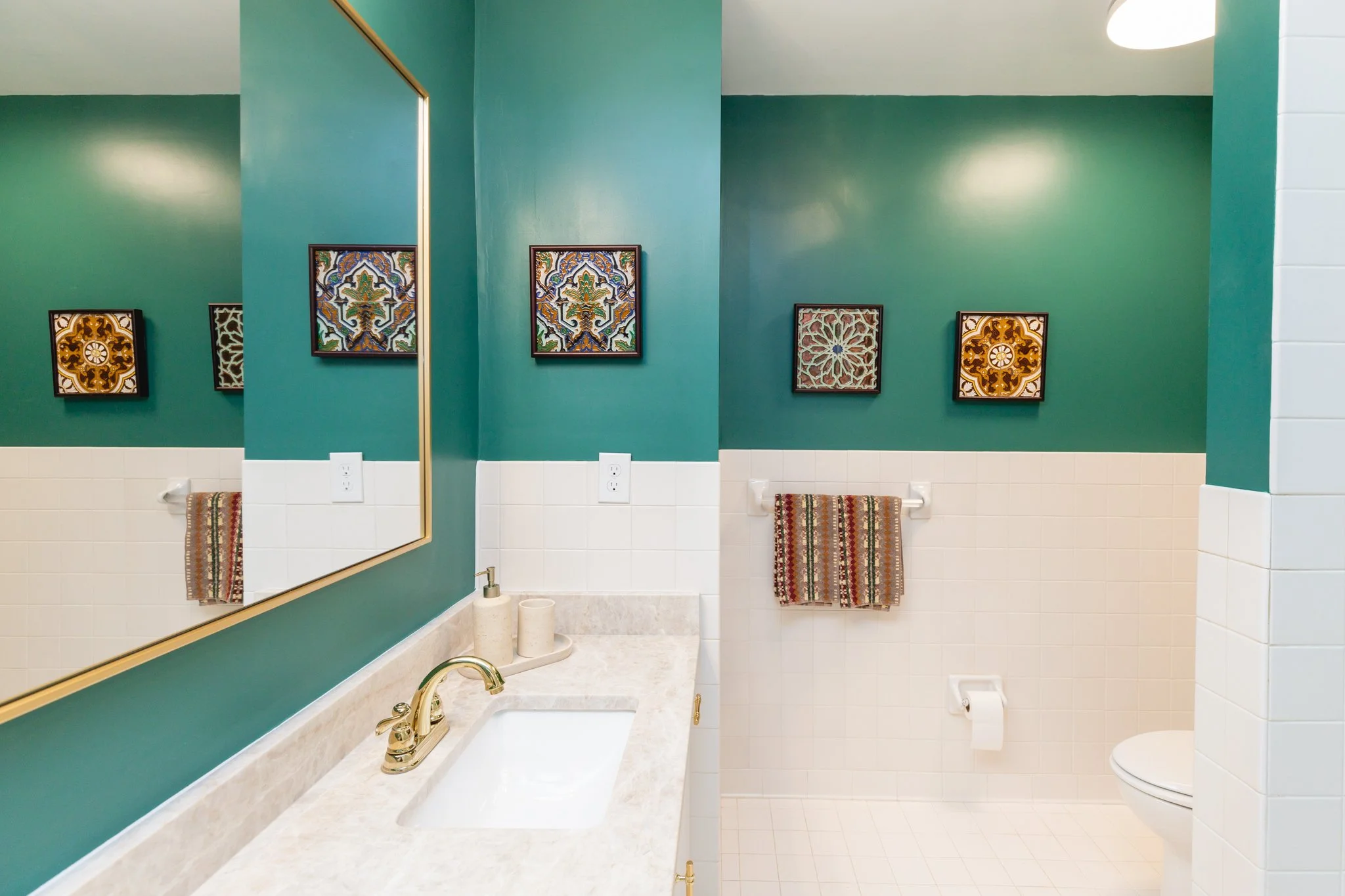
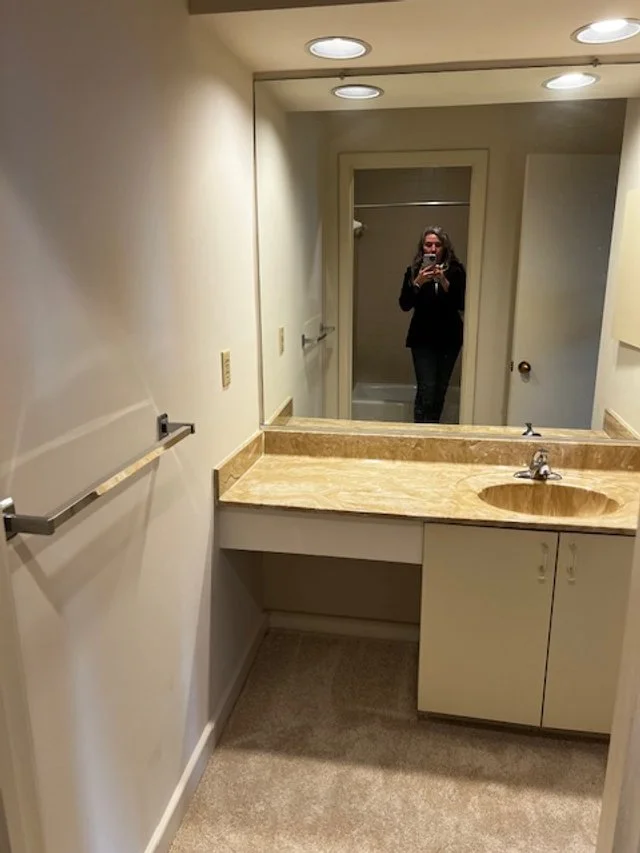
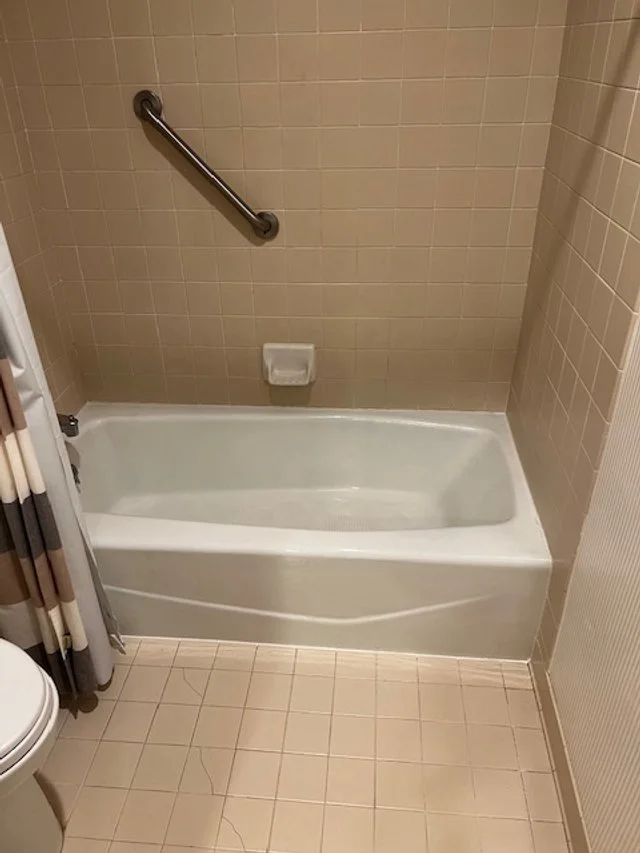
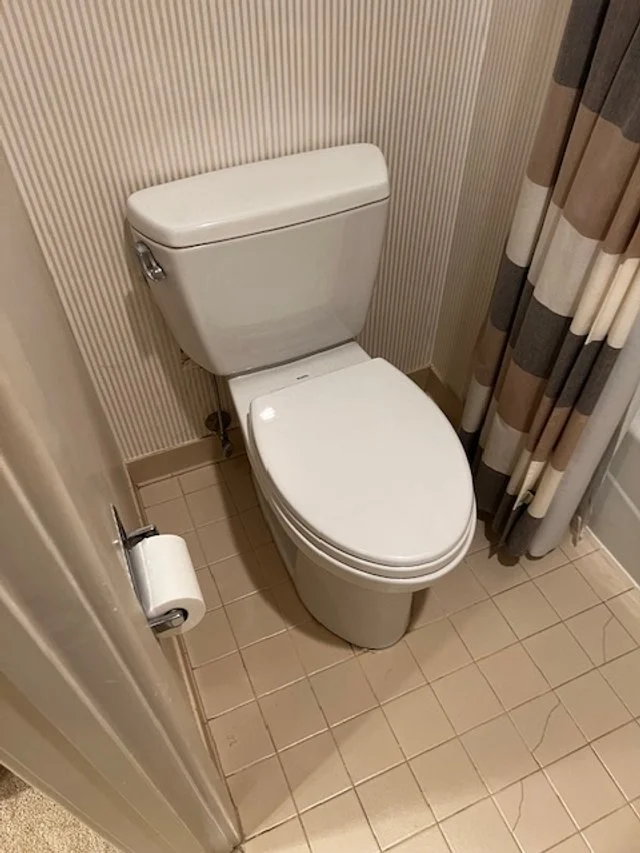
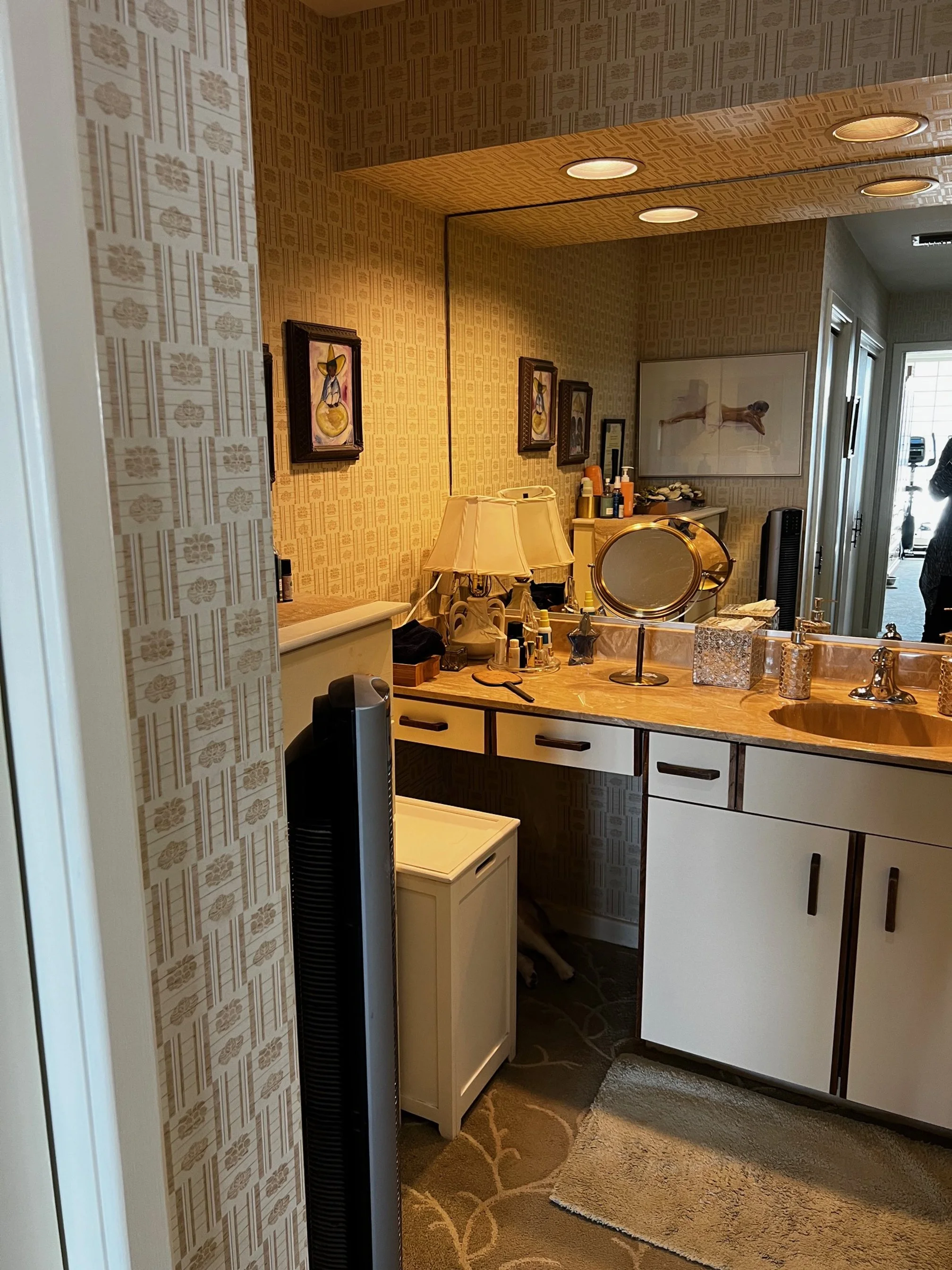
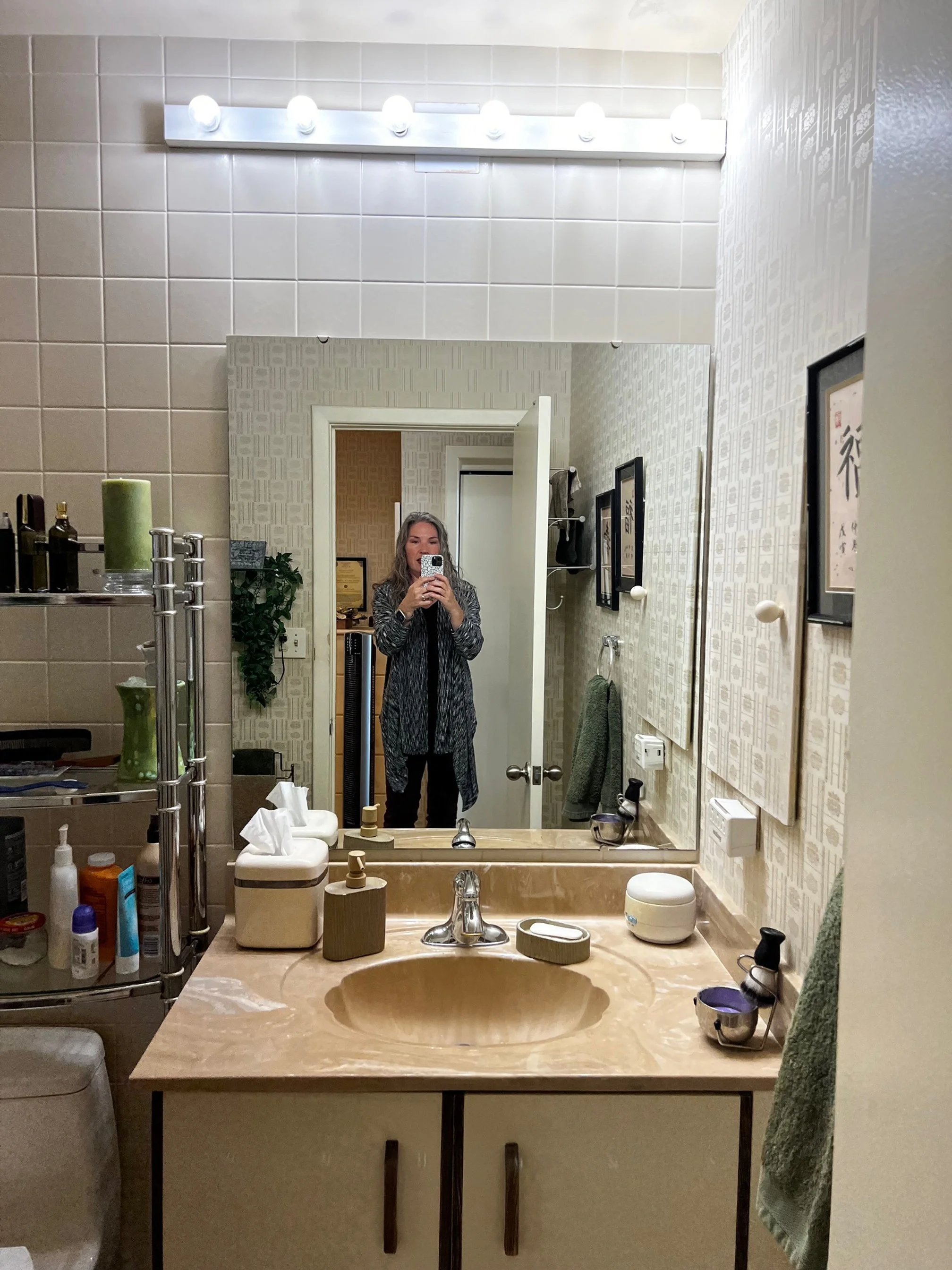
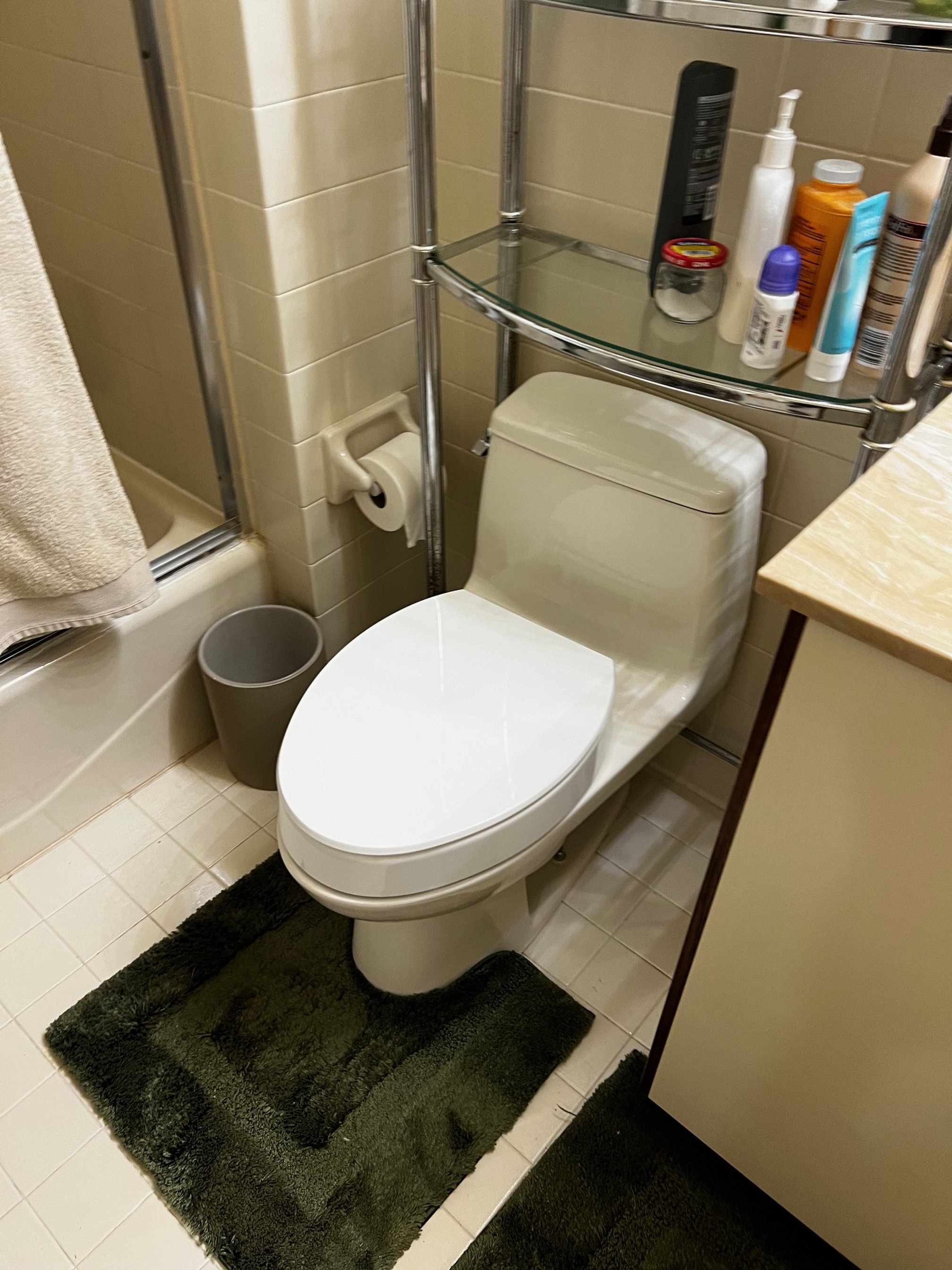
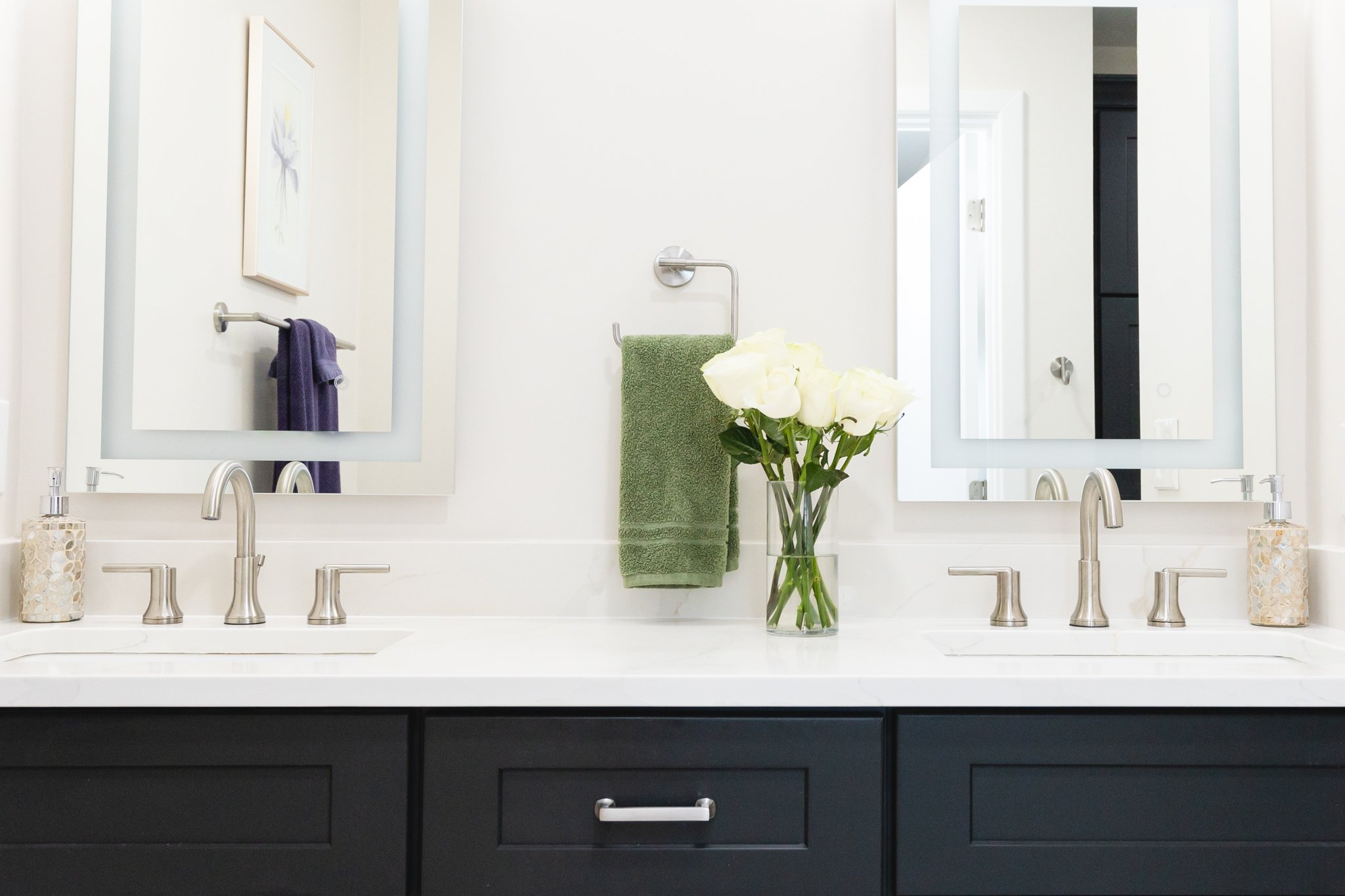
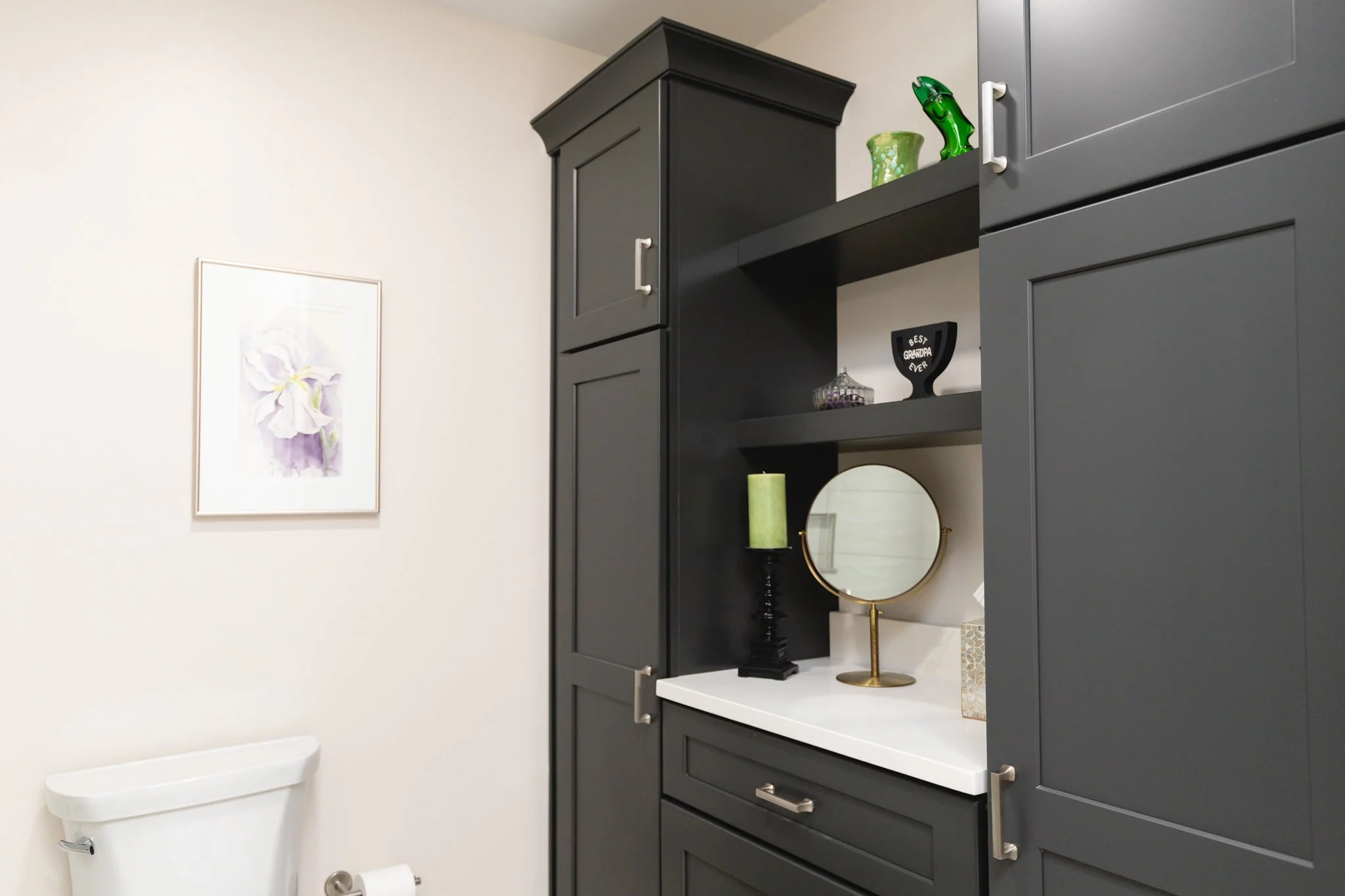
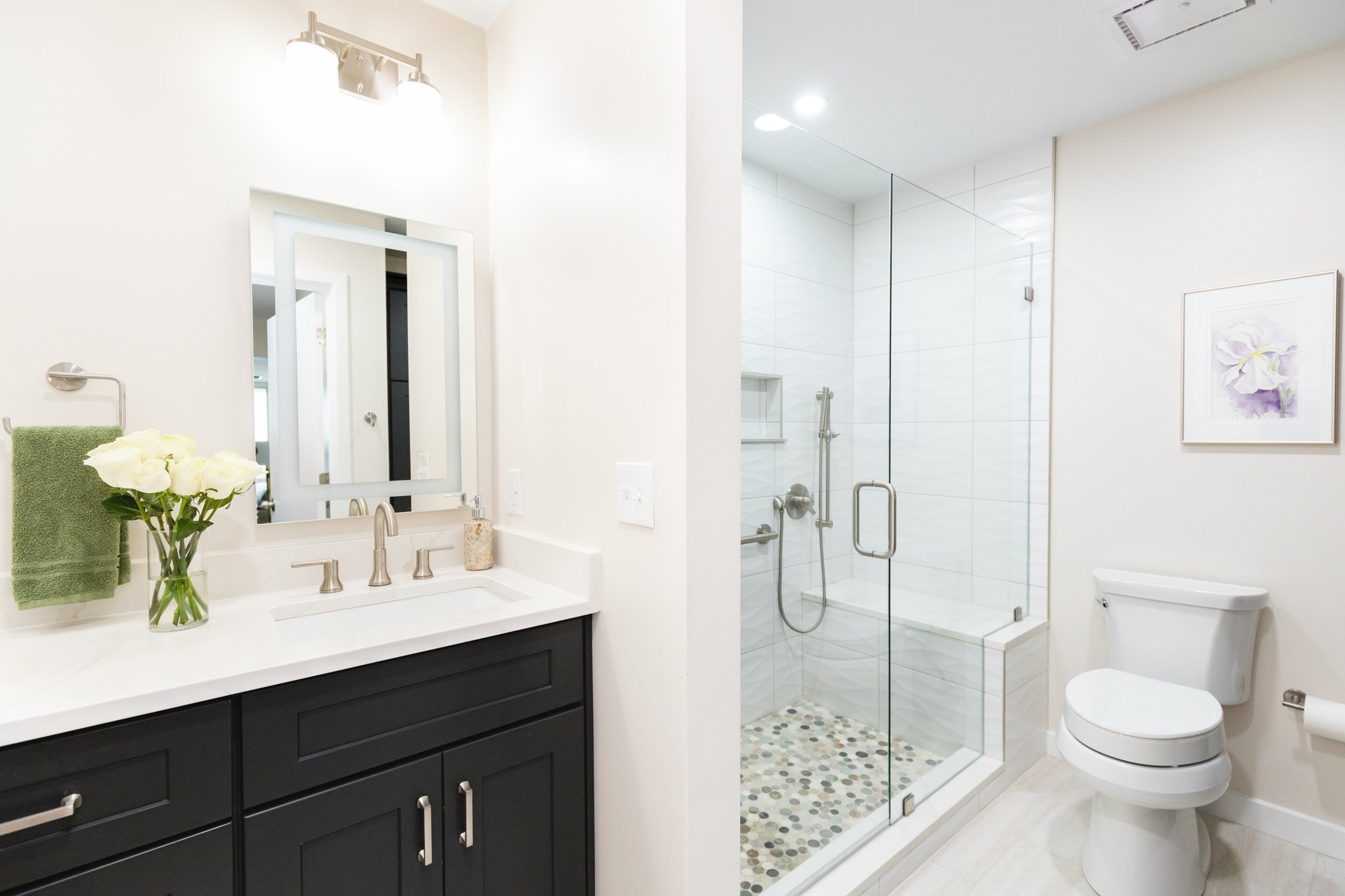
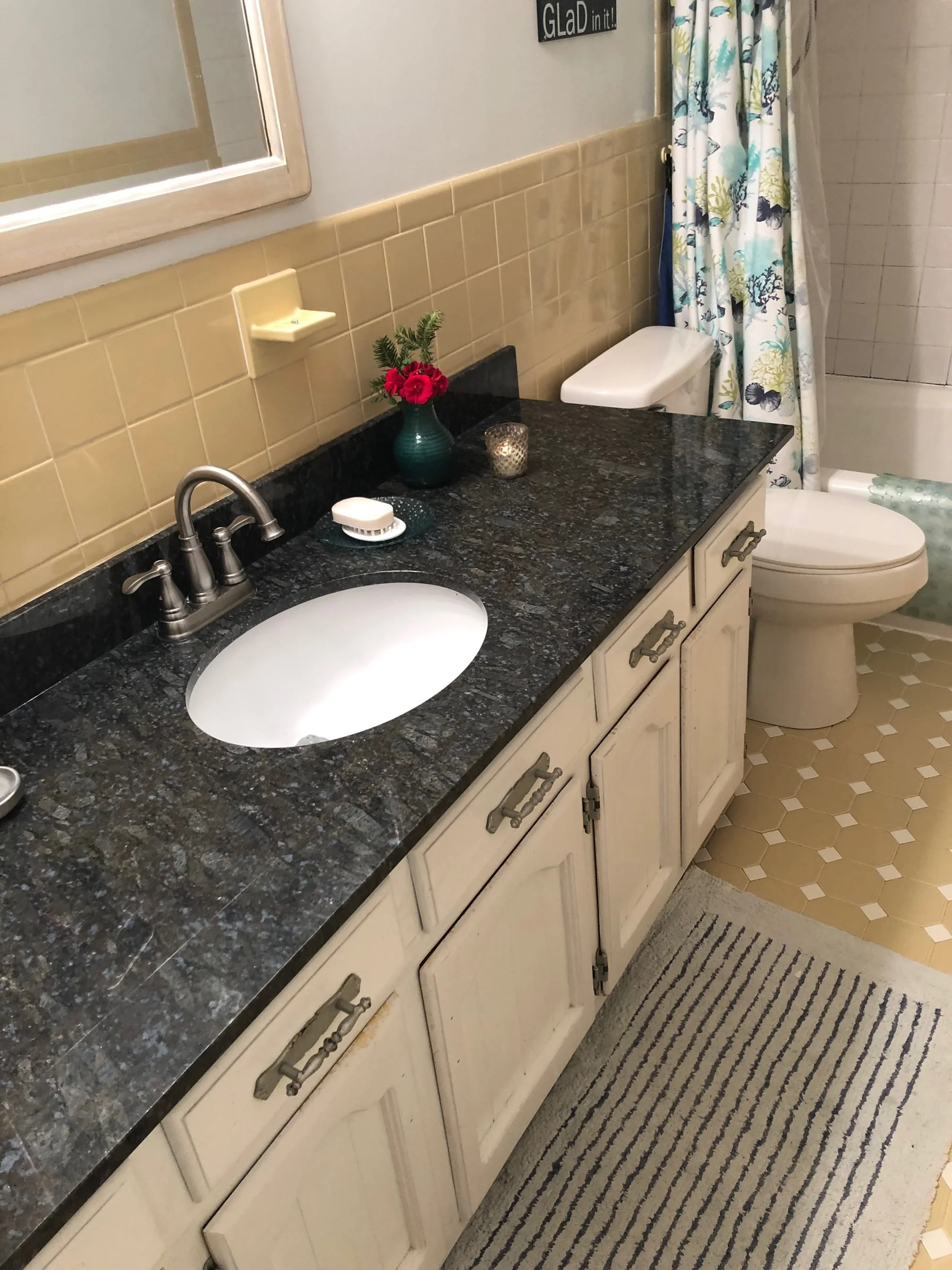
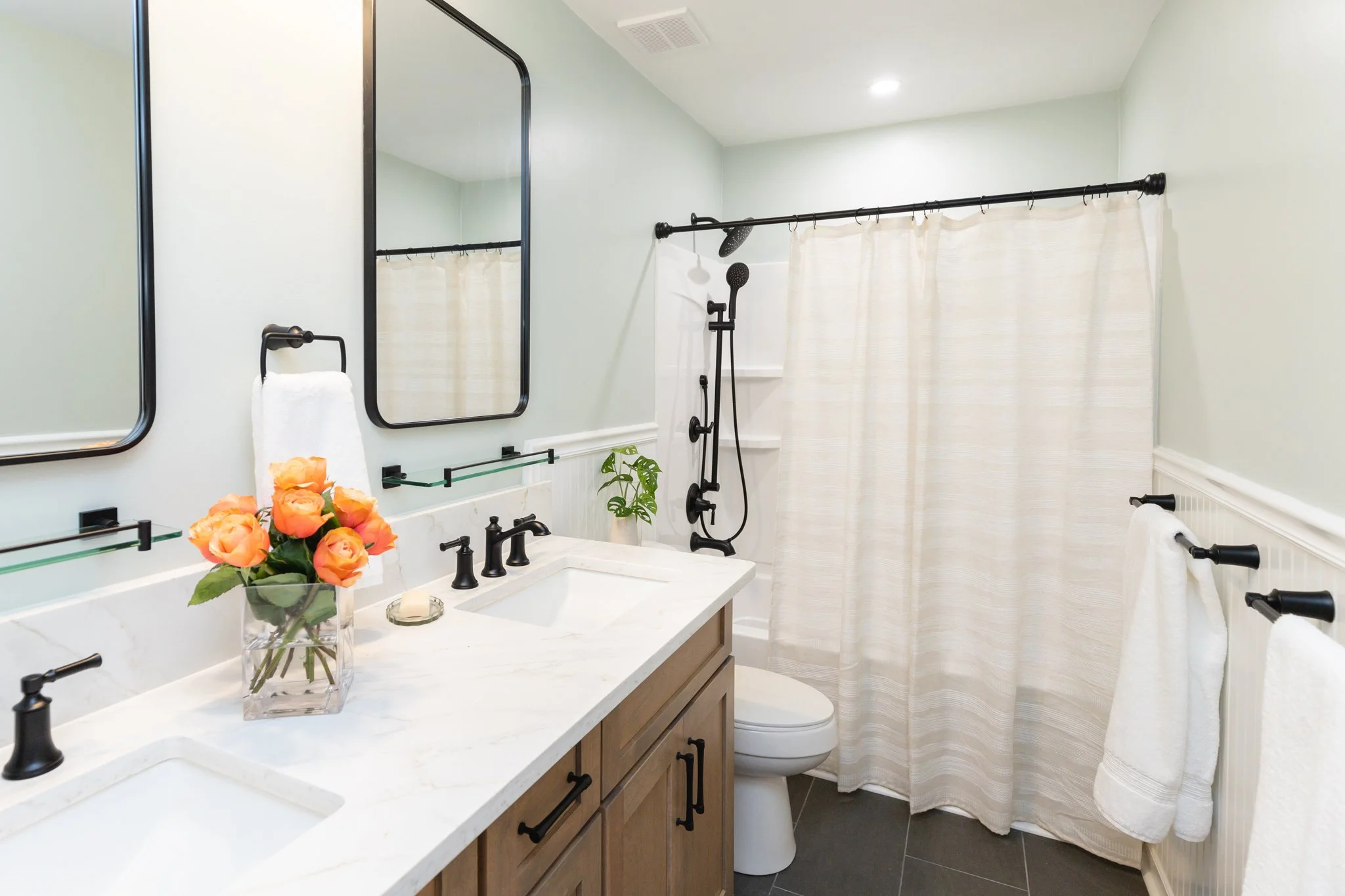
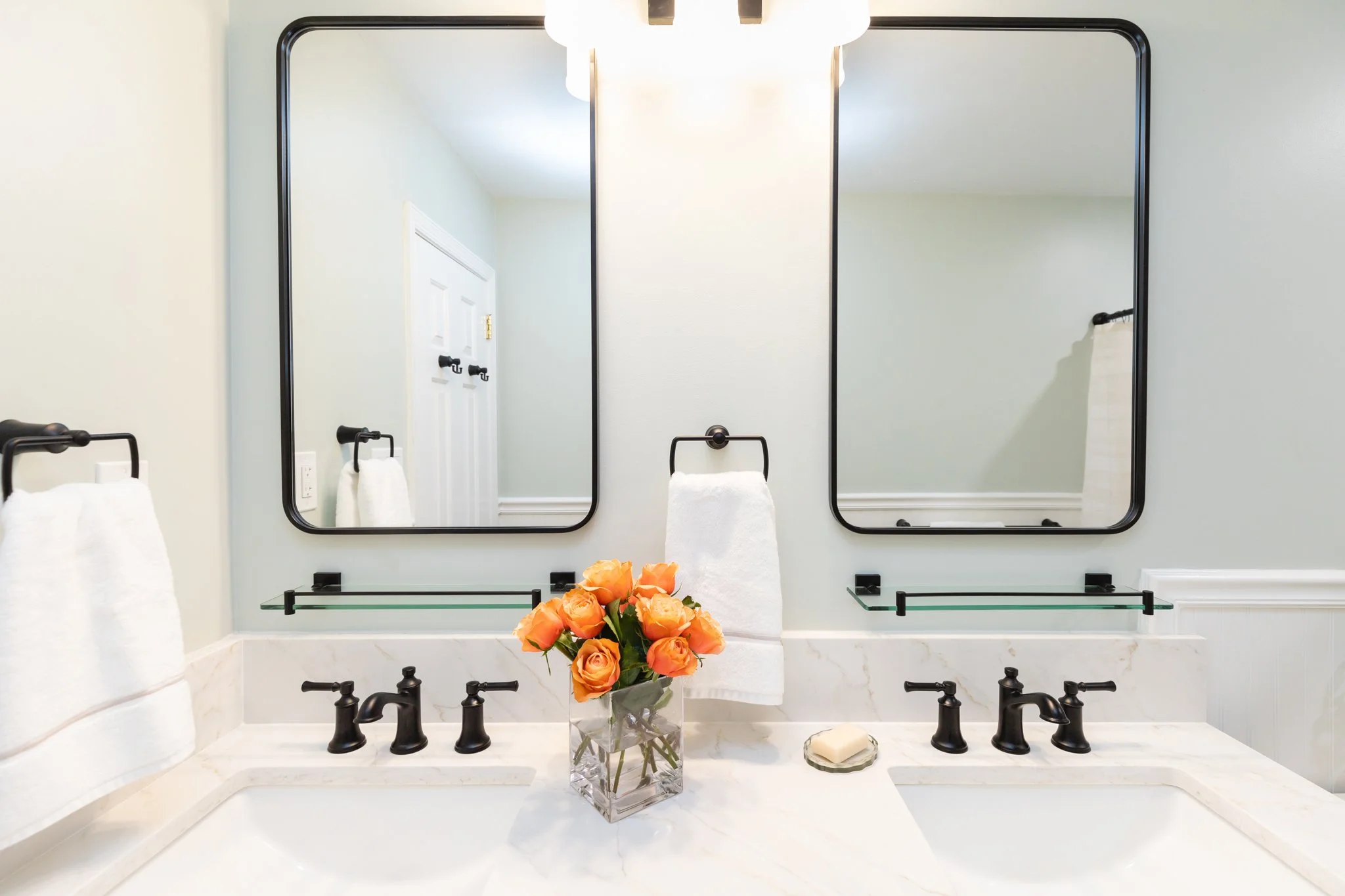
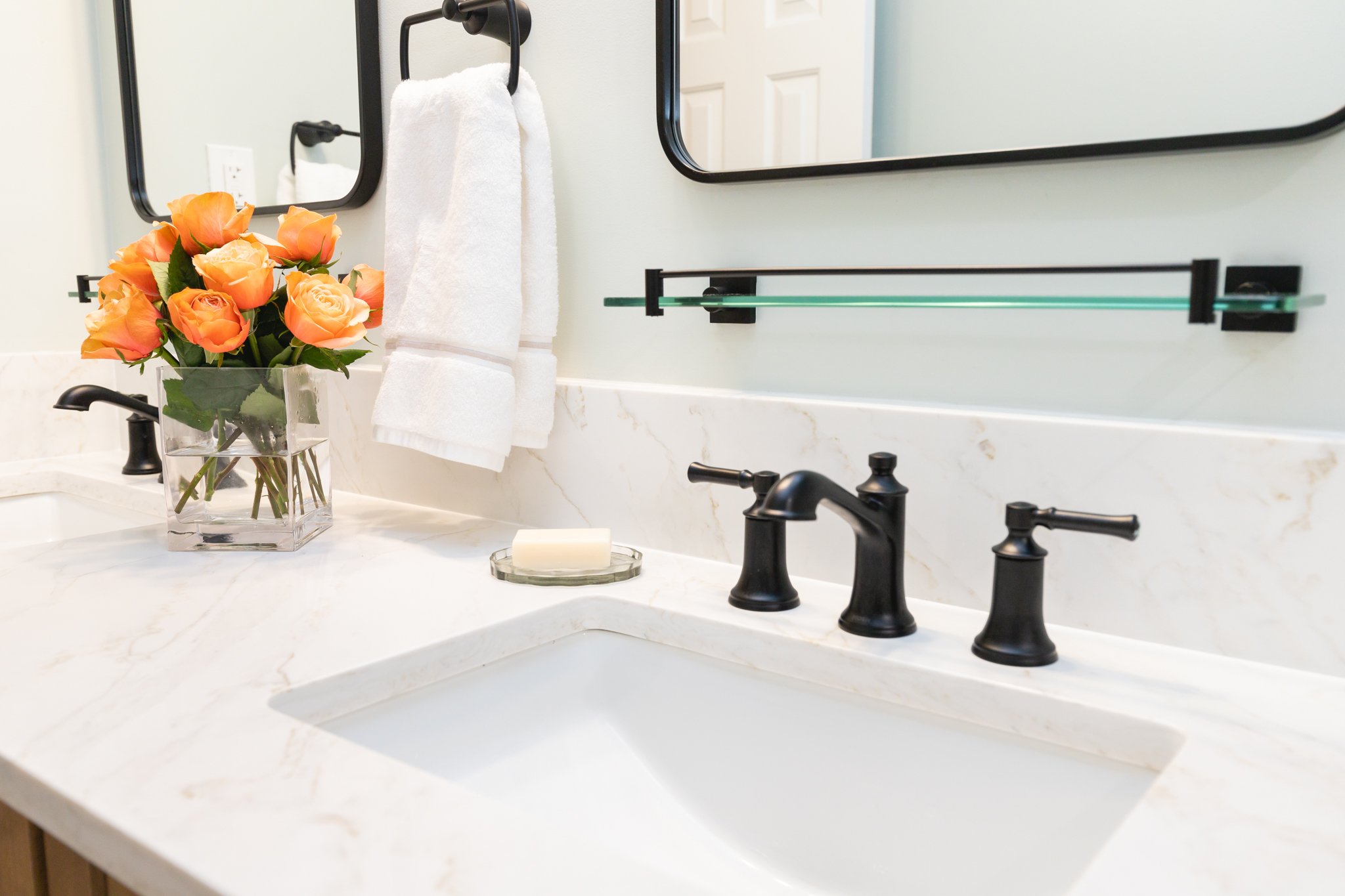
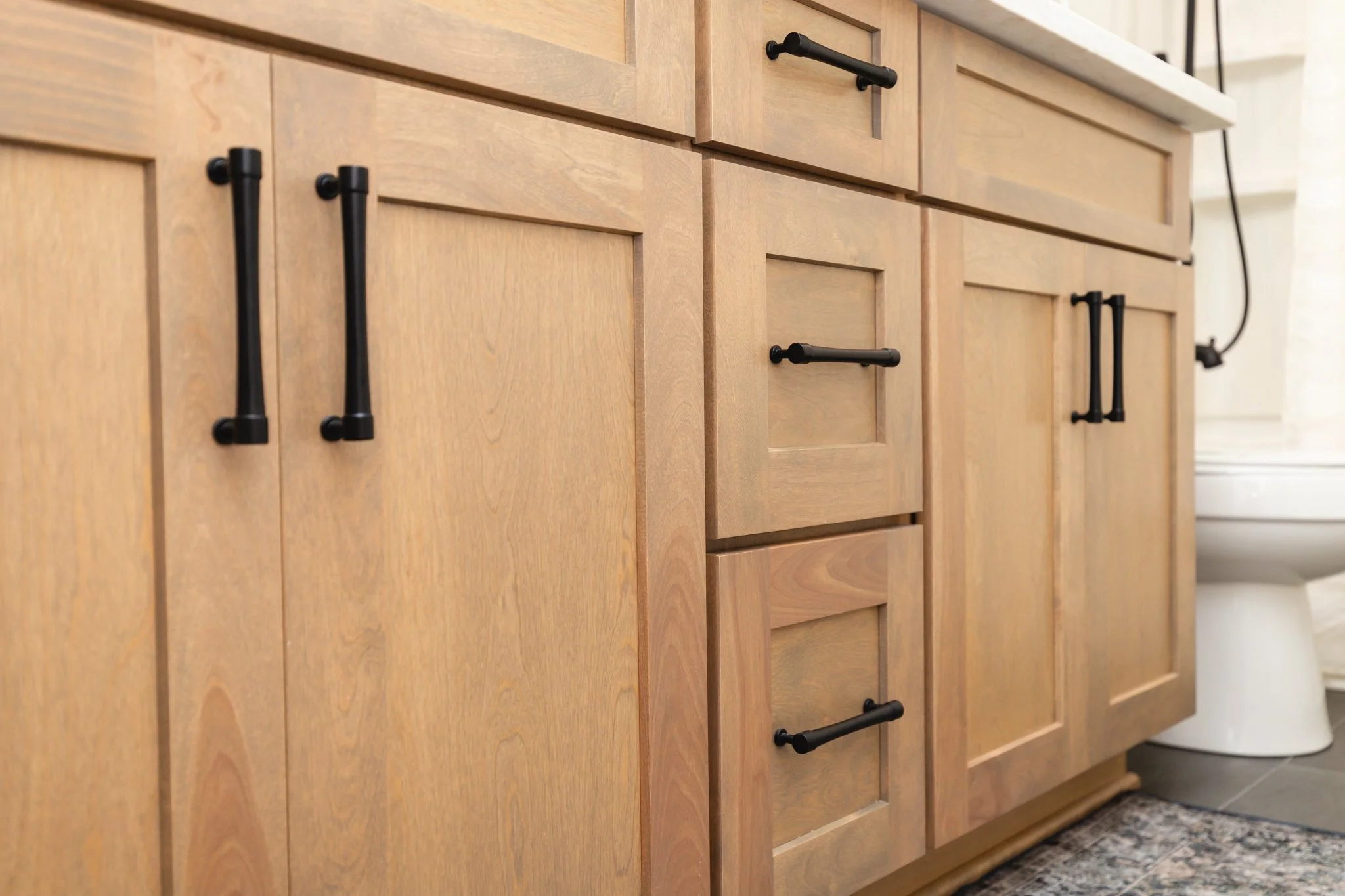
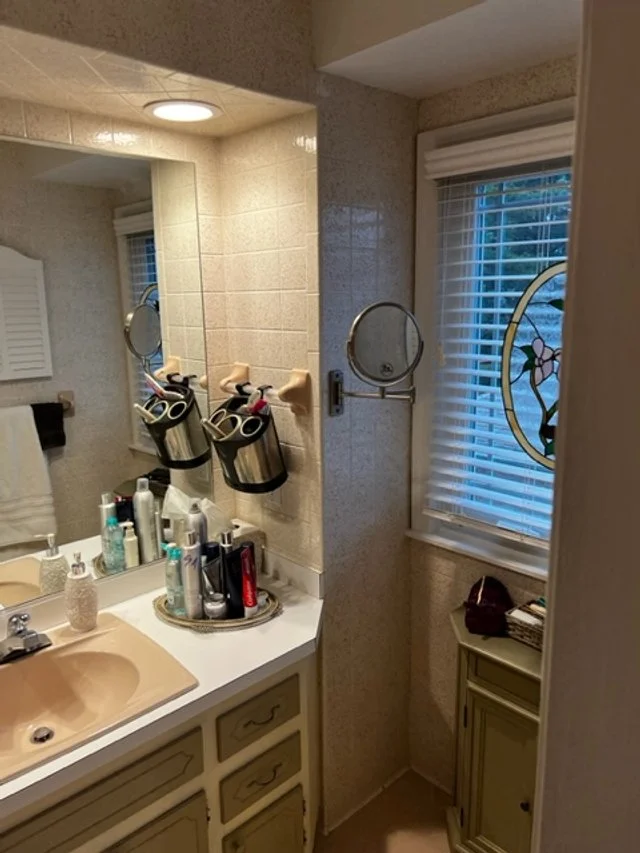
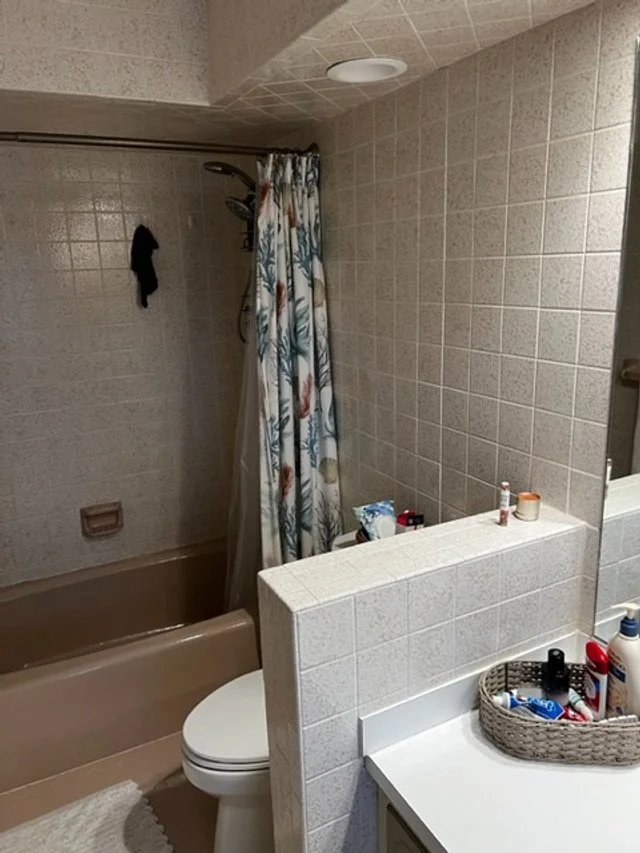
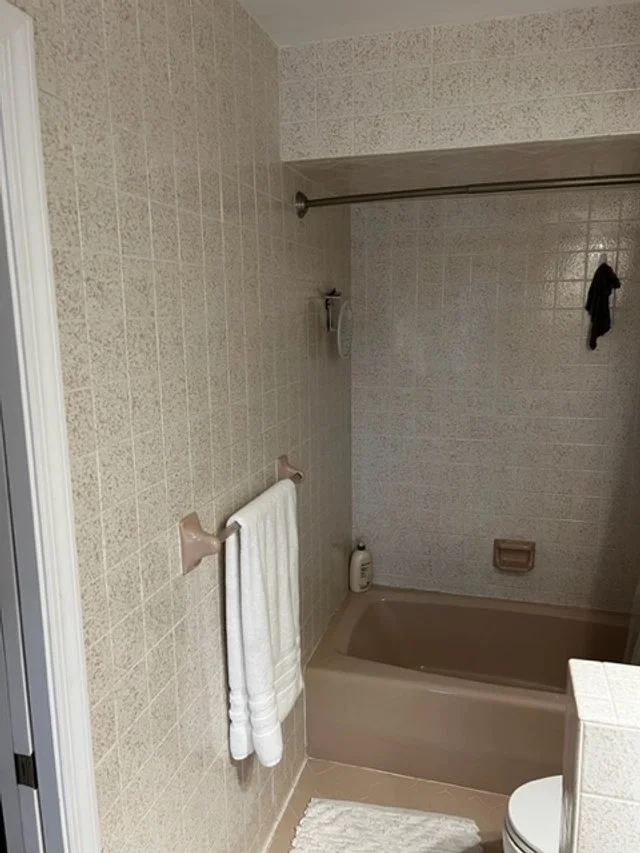
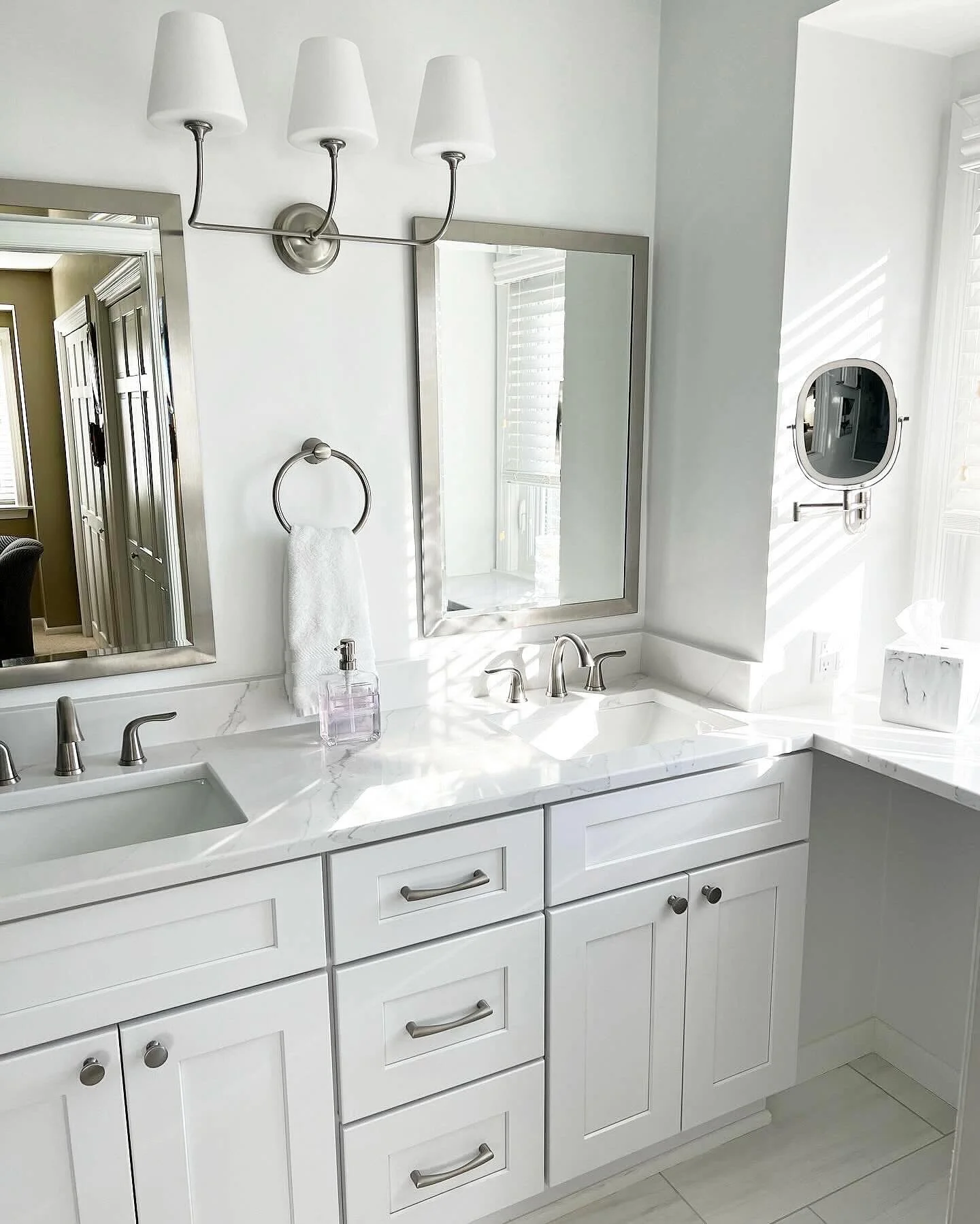
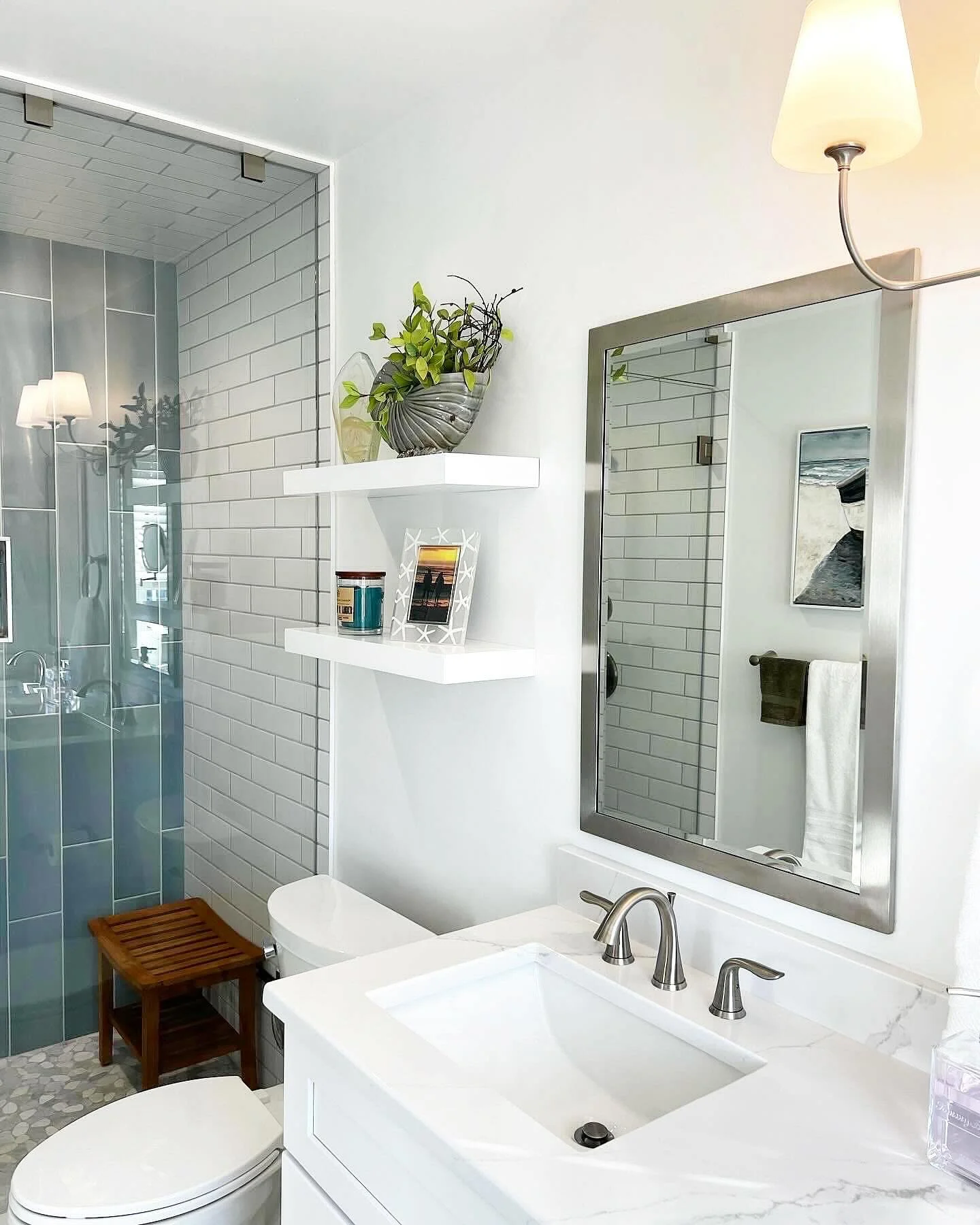
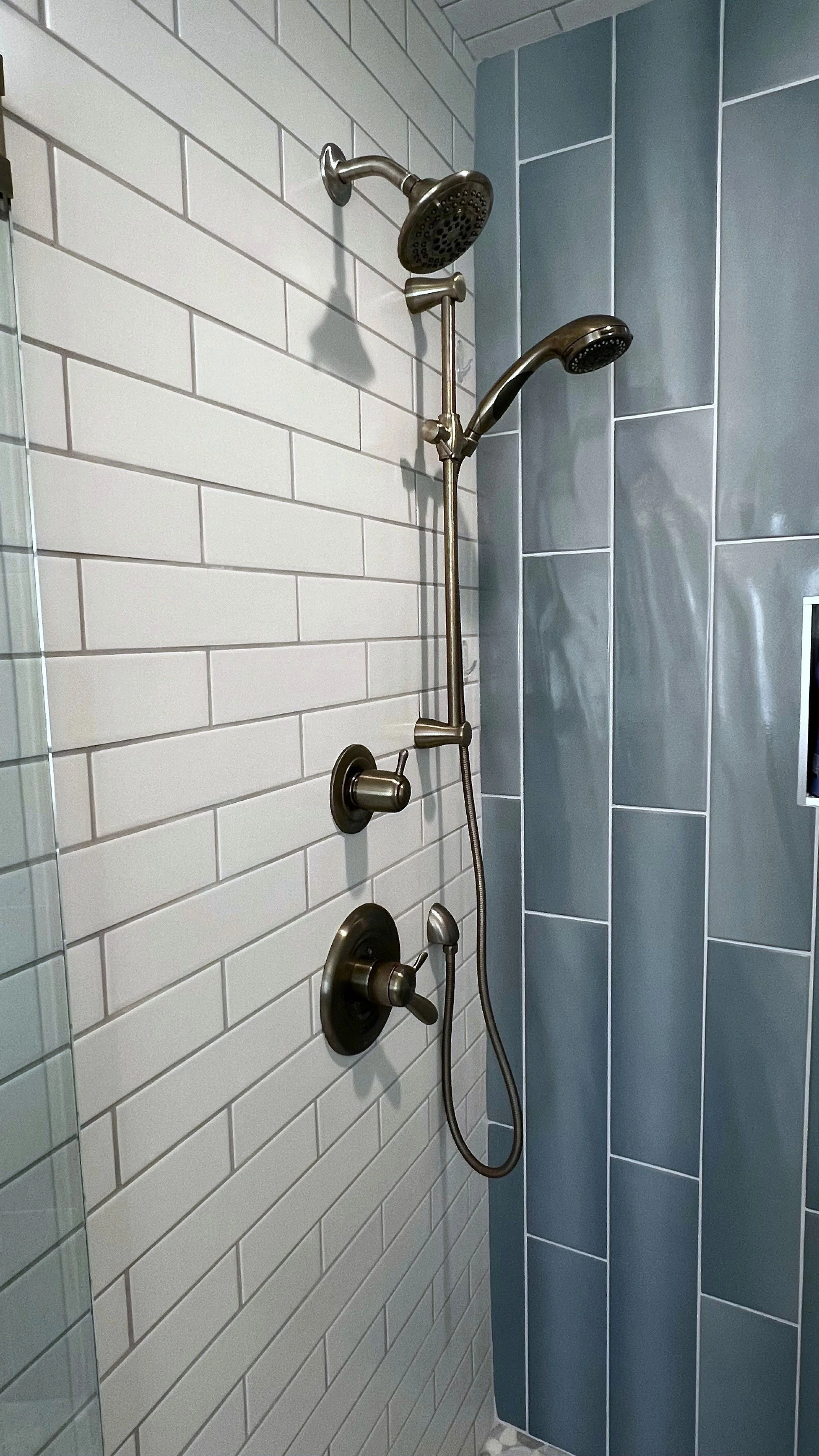
After the primary bath remodel was complete, it was time to work on the hall bath. This project did not require an overhaul, however; the tub and tiles were in great condition, as were the cabinetry and plumbing fixtures. Despite only some of the elements getting an upgrade, the end result is a whole new look.

BEFORE

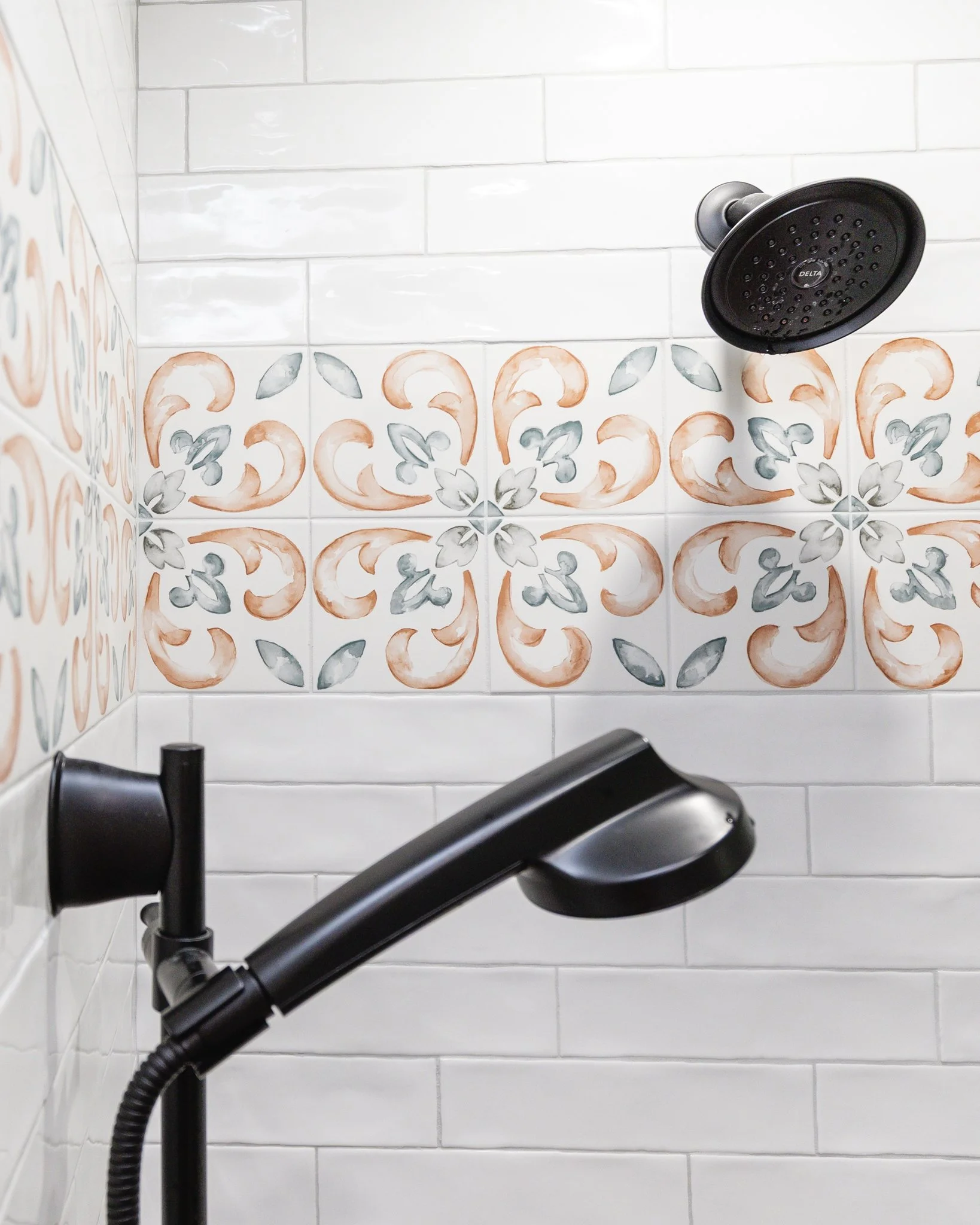
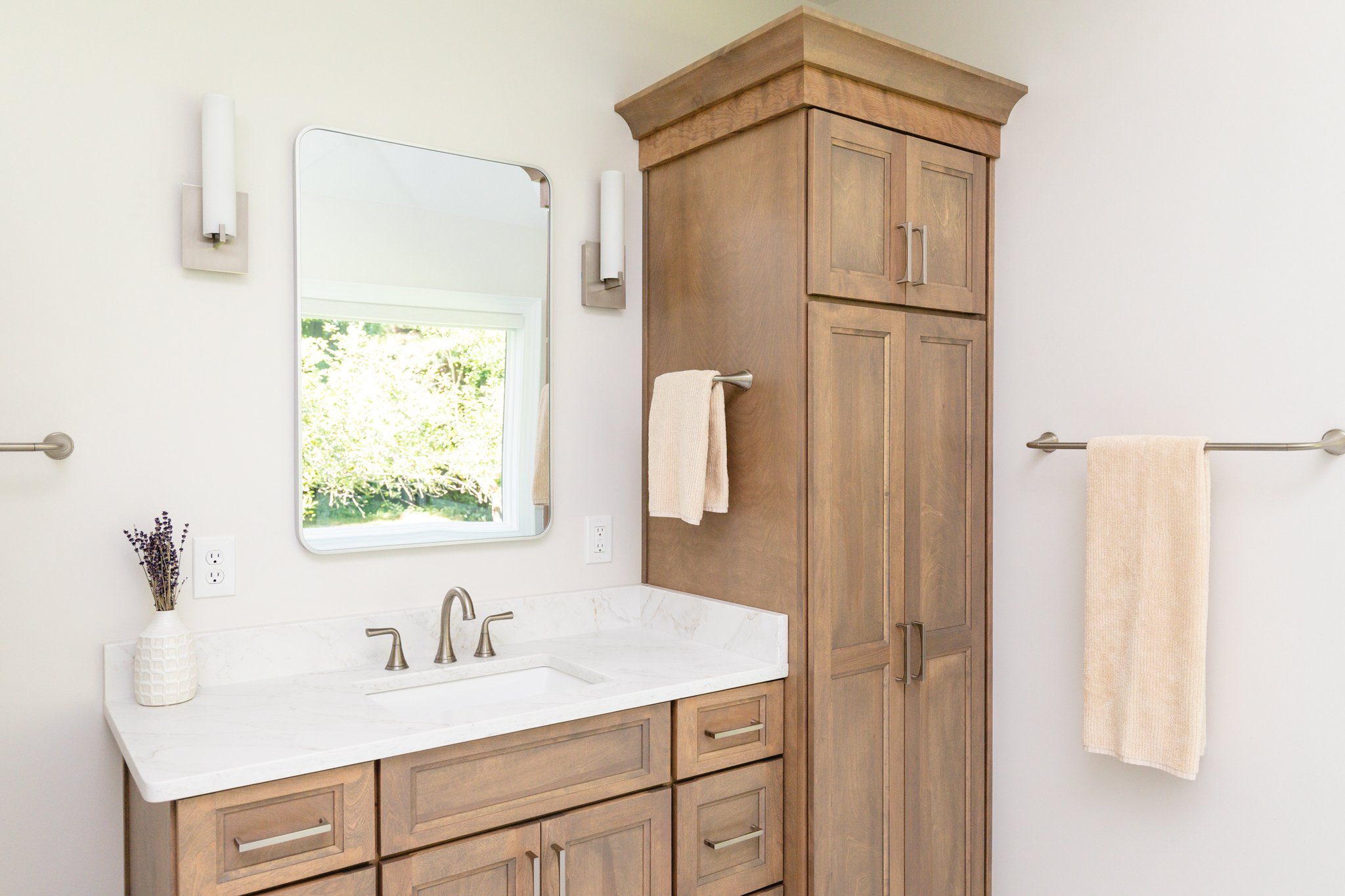
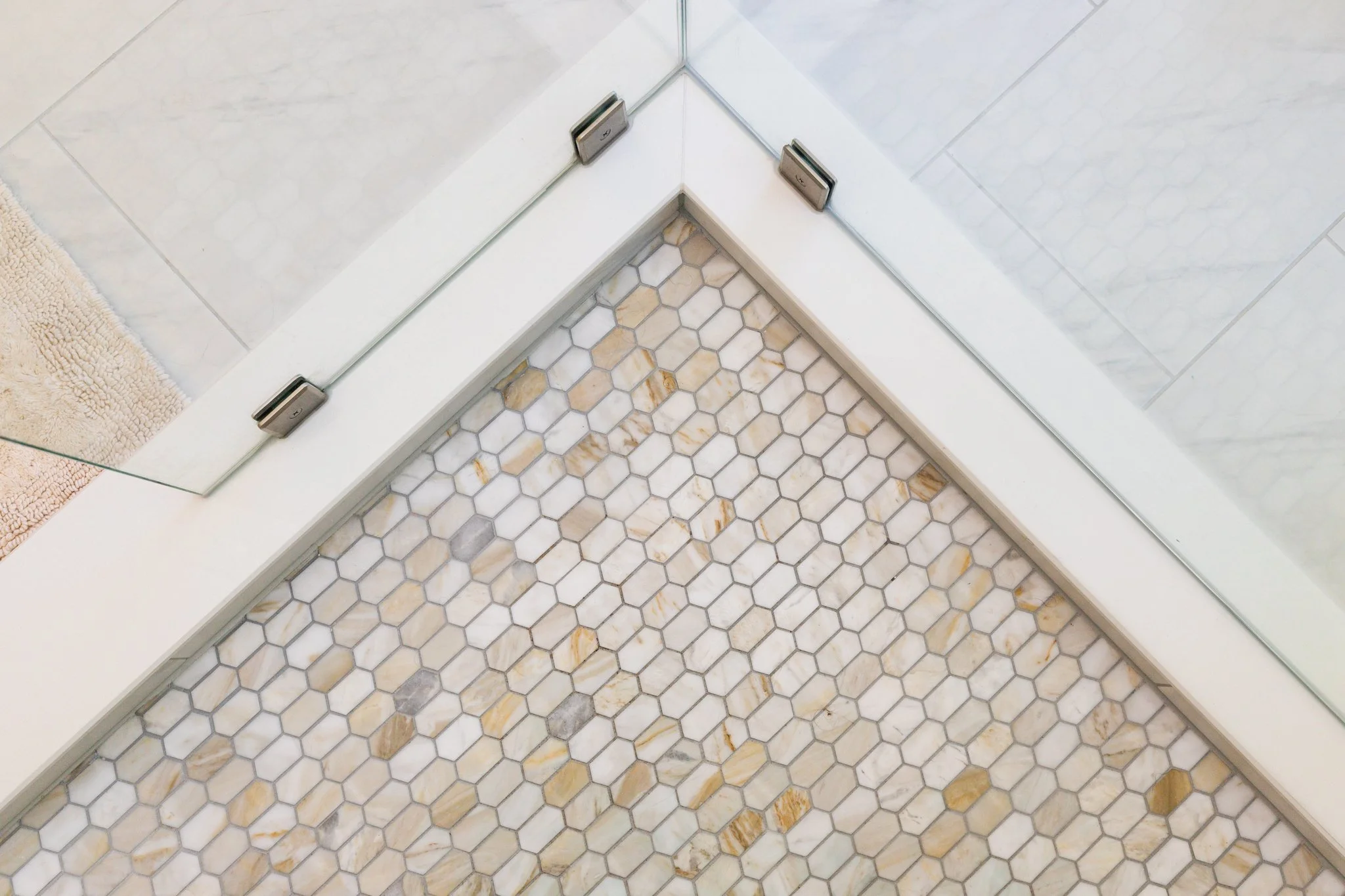
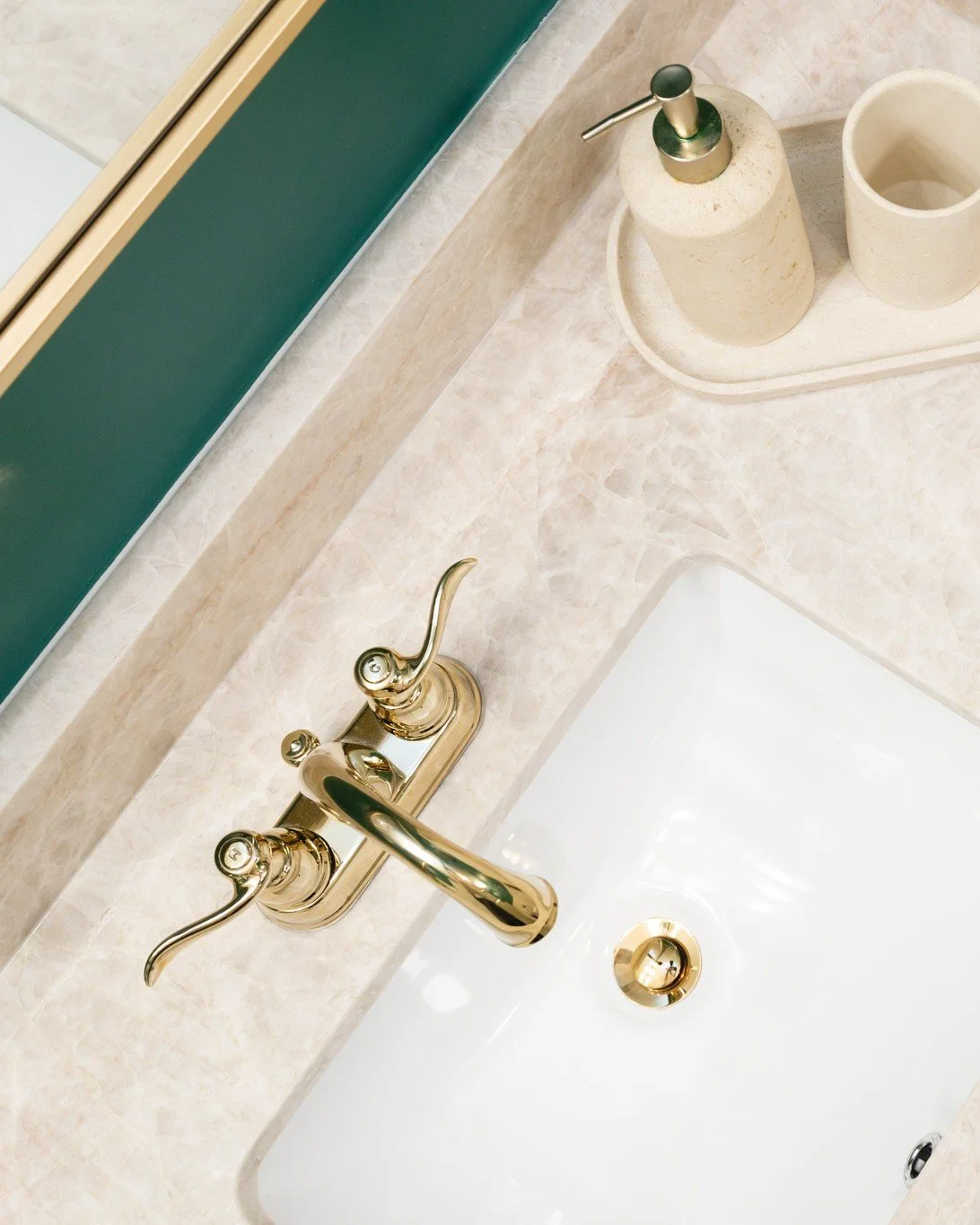
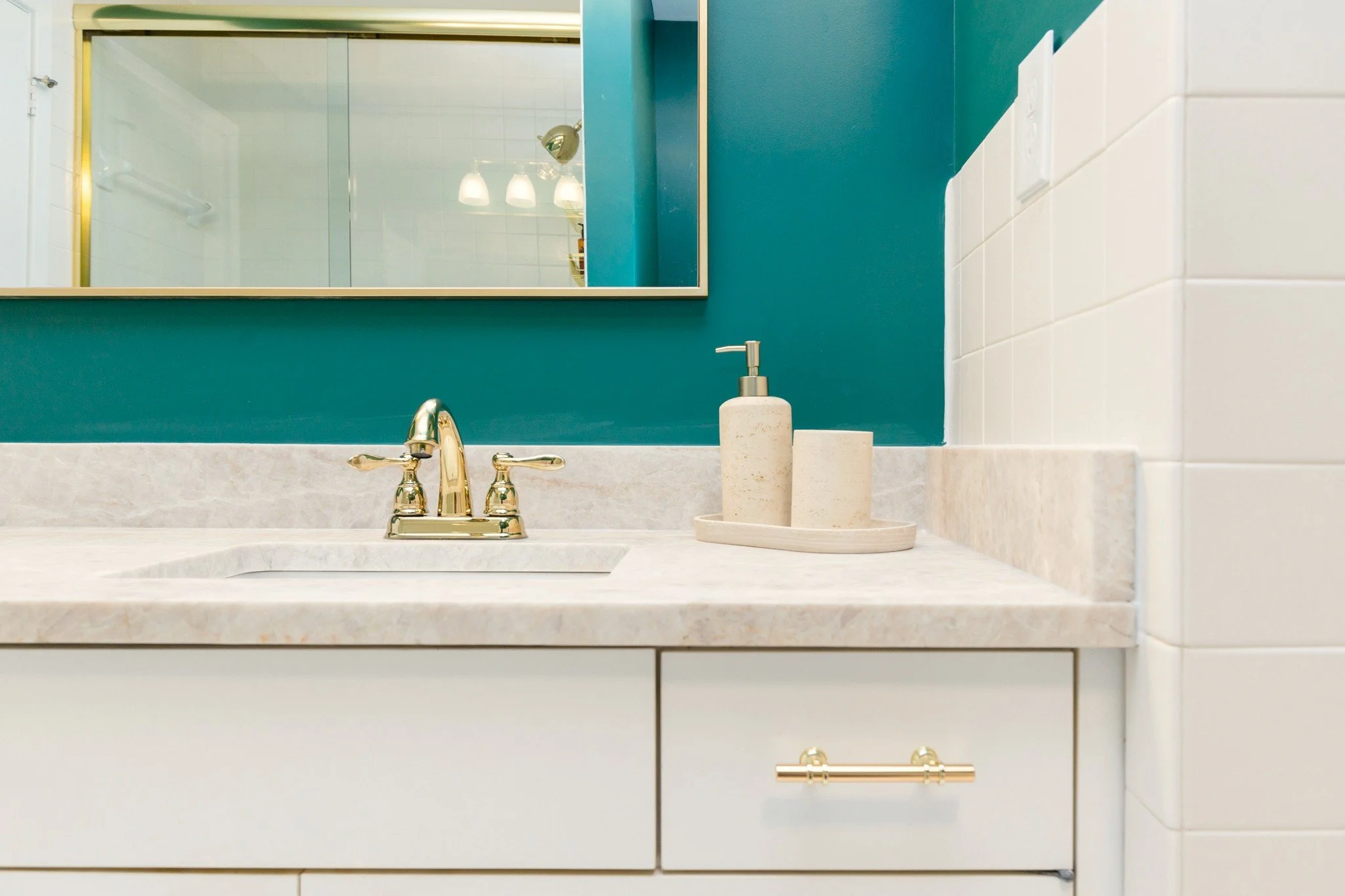
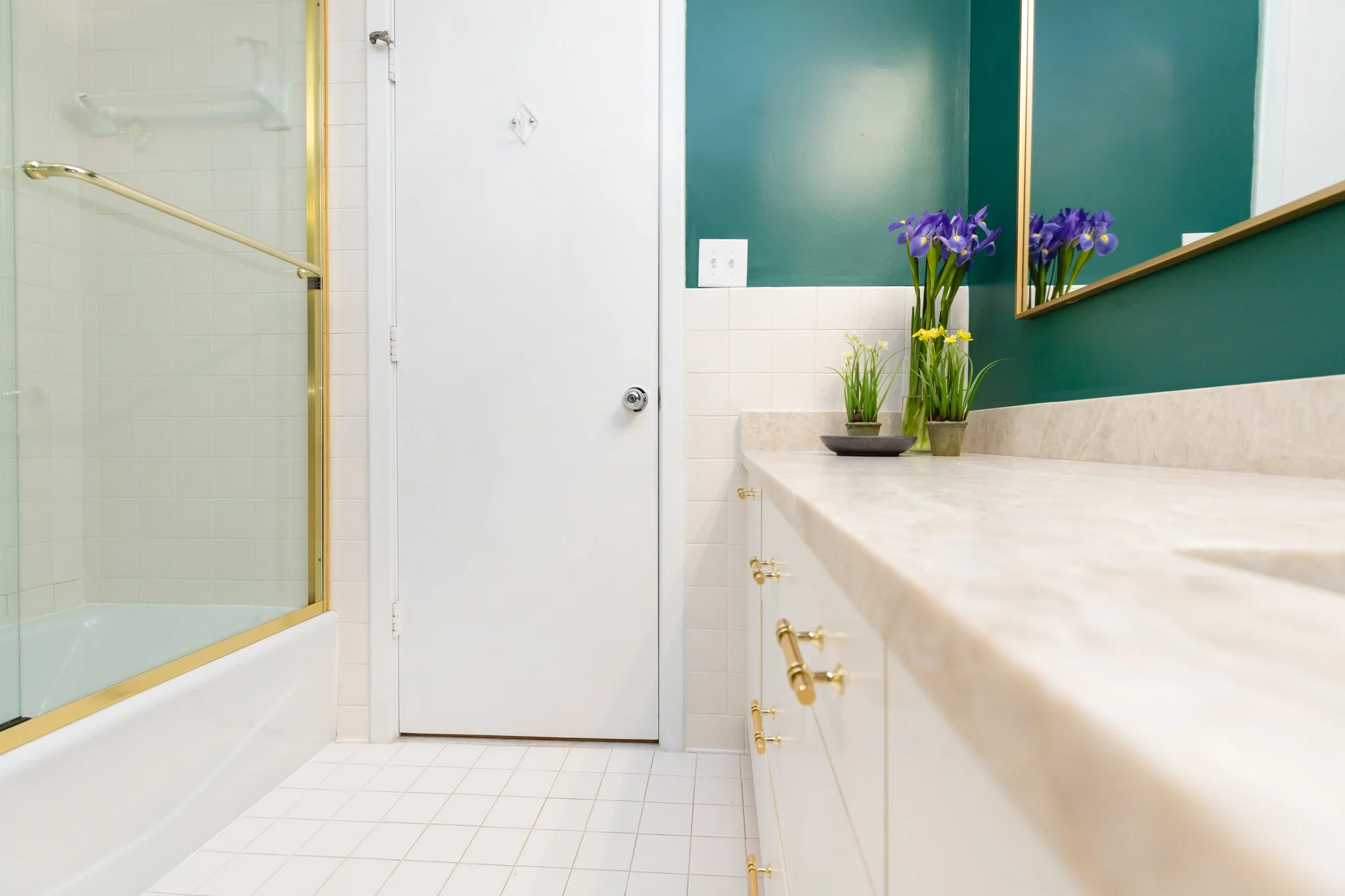
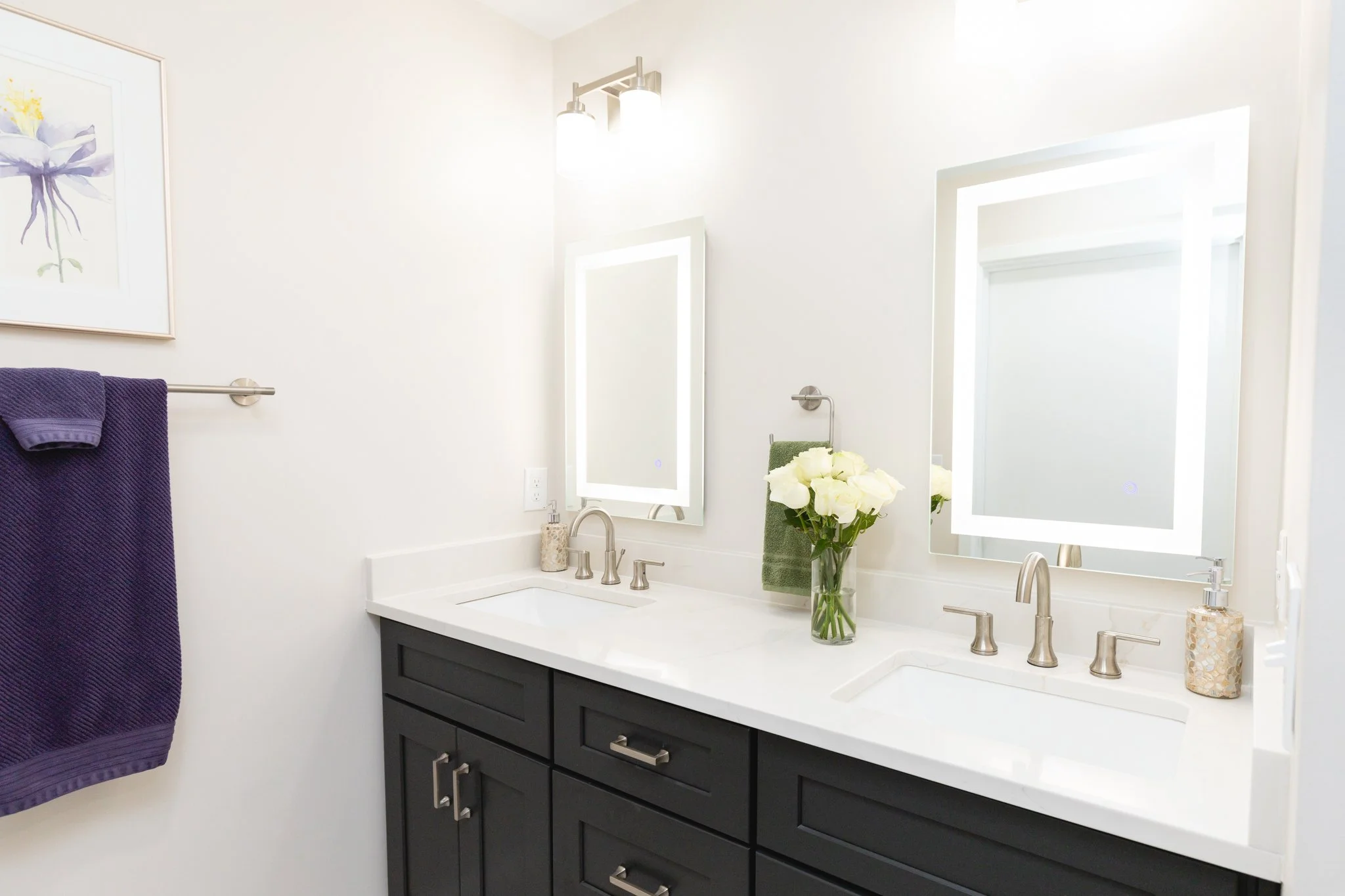
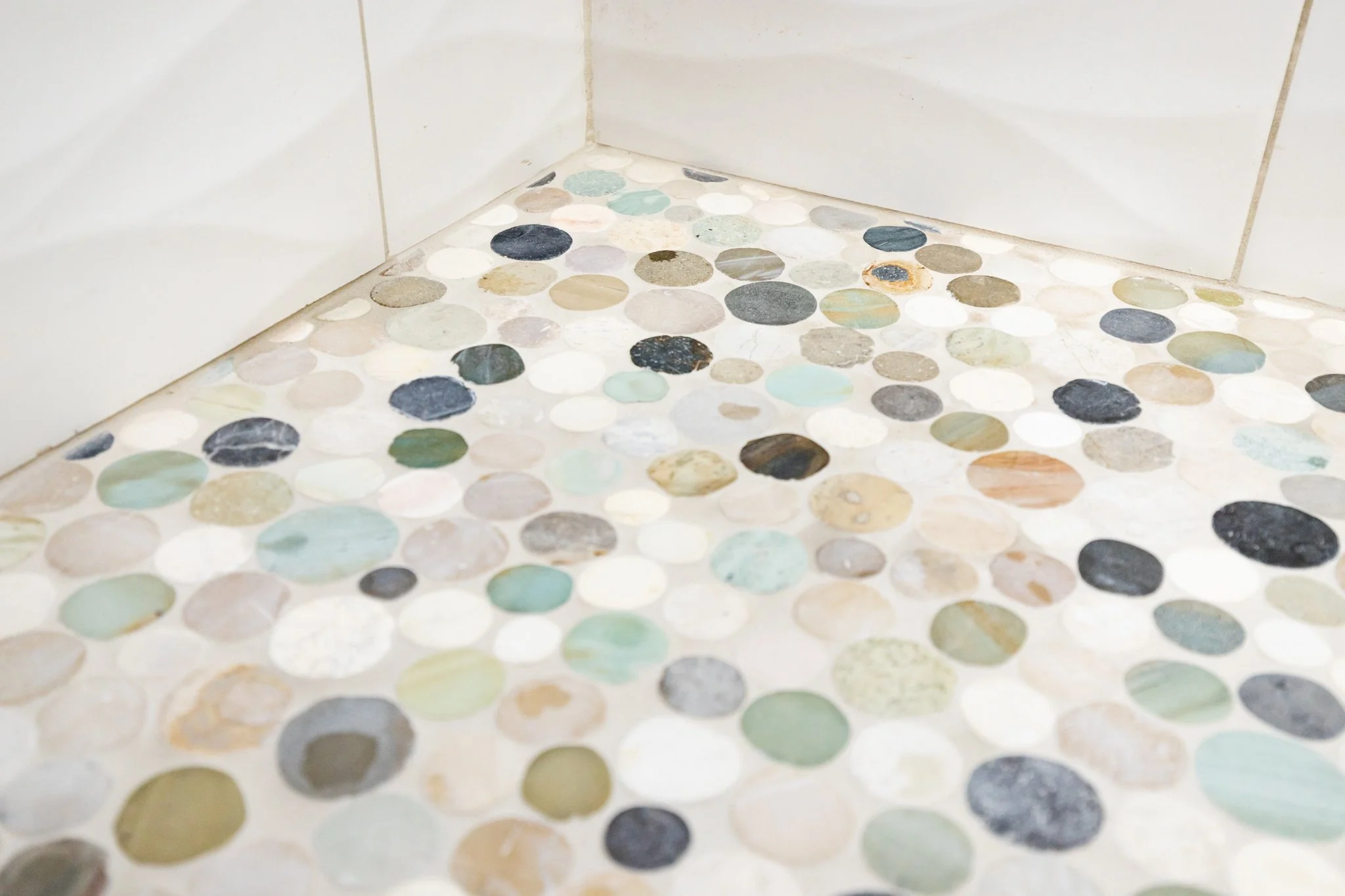
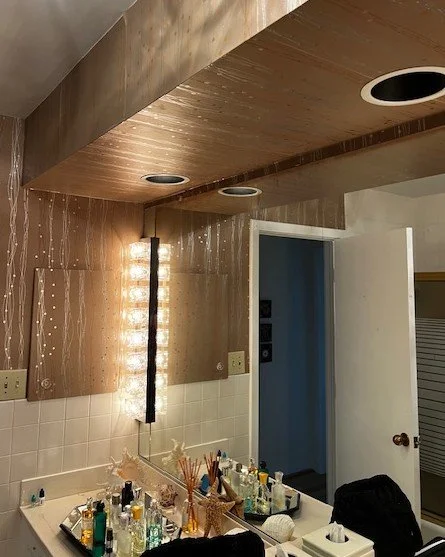
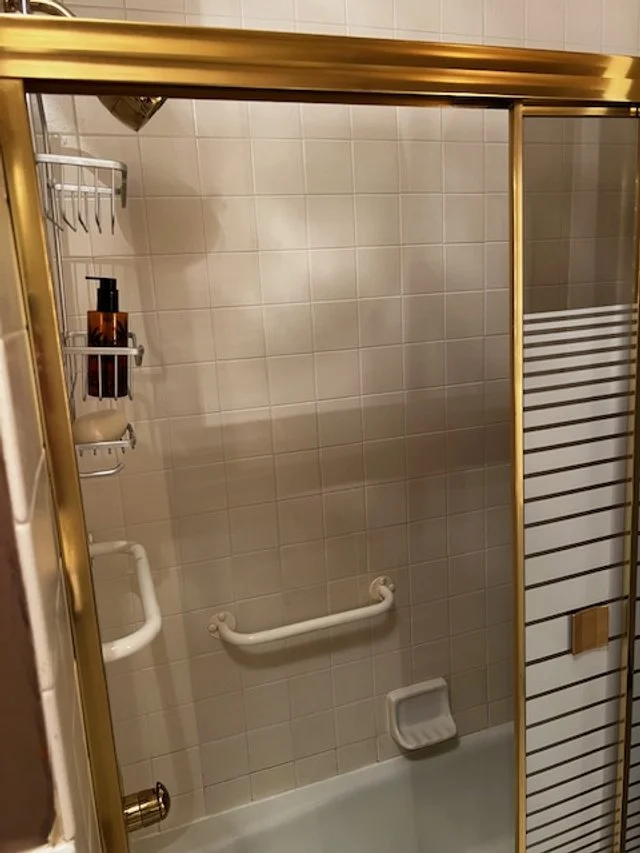
The wallcovering, soffit, mirror, lighting, and countertops were removed; a gorgeous quartzite countertop, lively wall color, and new lighting were brought in. A new custom (taller) glass enclosure renewed the entire shower, new cabinet hardware refreshed the cabinetry, and the clients’ art tiles were more than perfect for the space.
AFTER

The bathroom is now so vibrant and energized, without having to start all over. Yay, design!
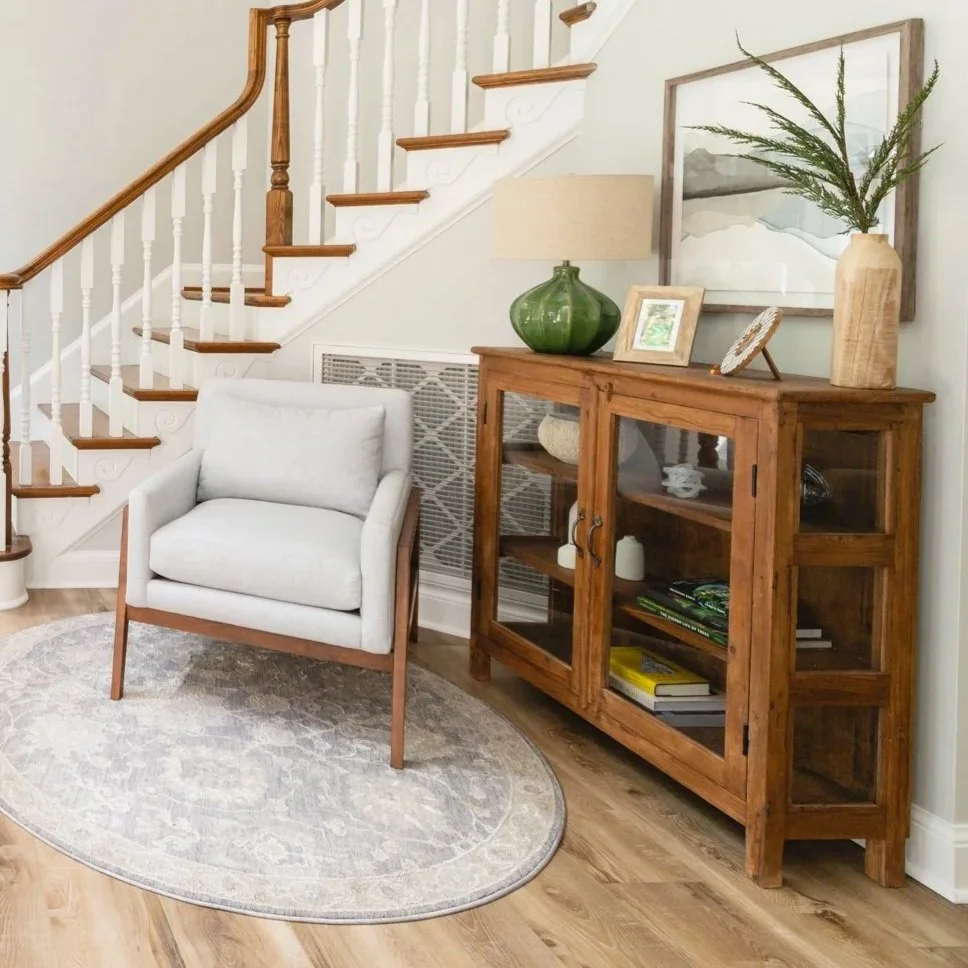
Design: Jaime Simpson of Creative + Curated

After Photos: Lianna Pevar Photography

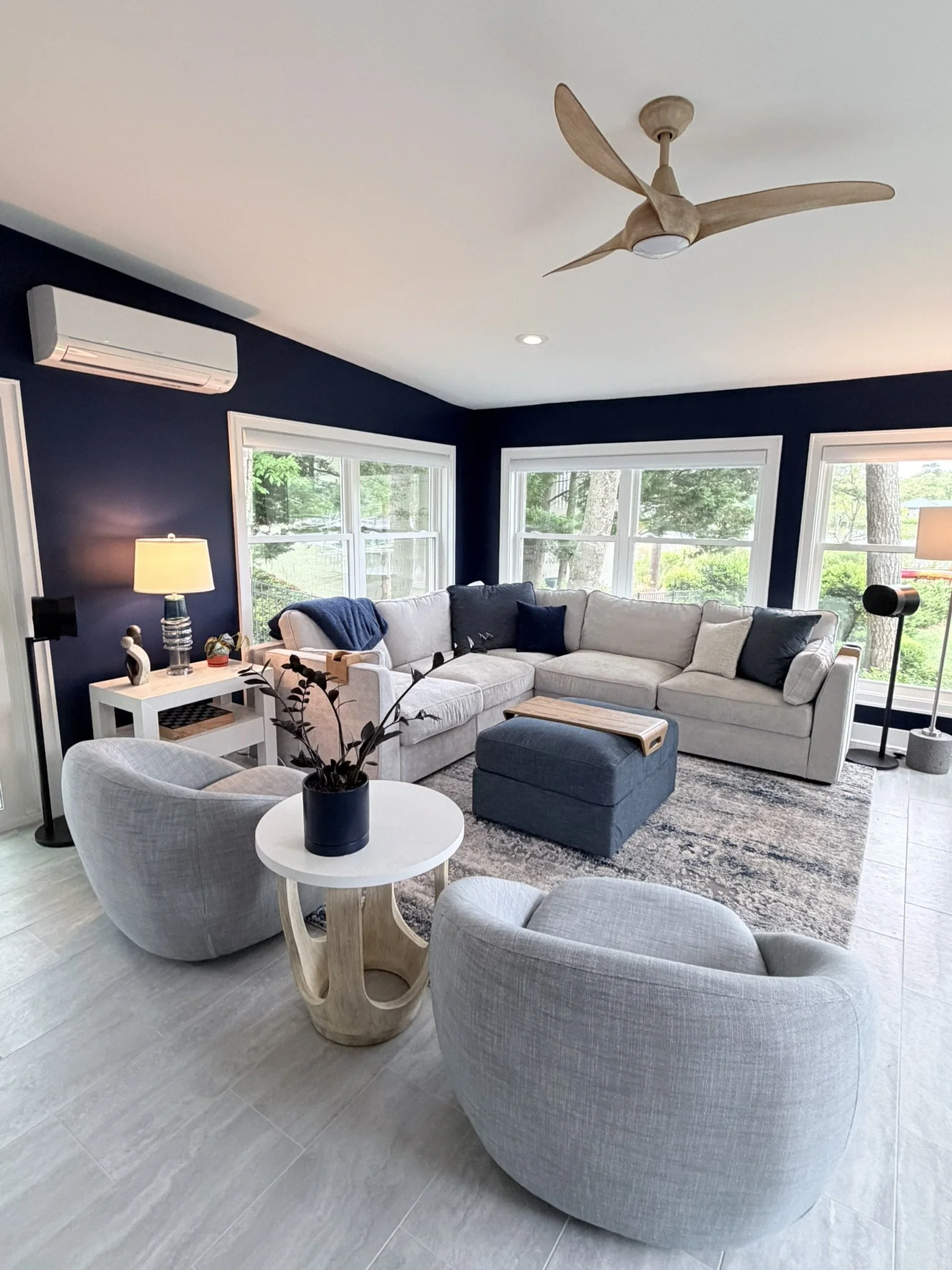
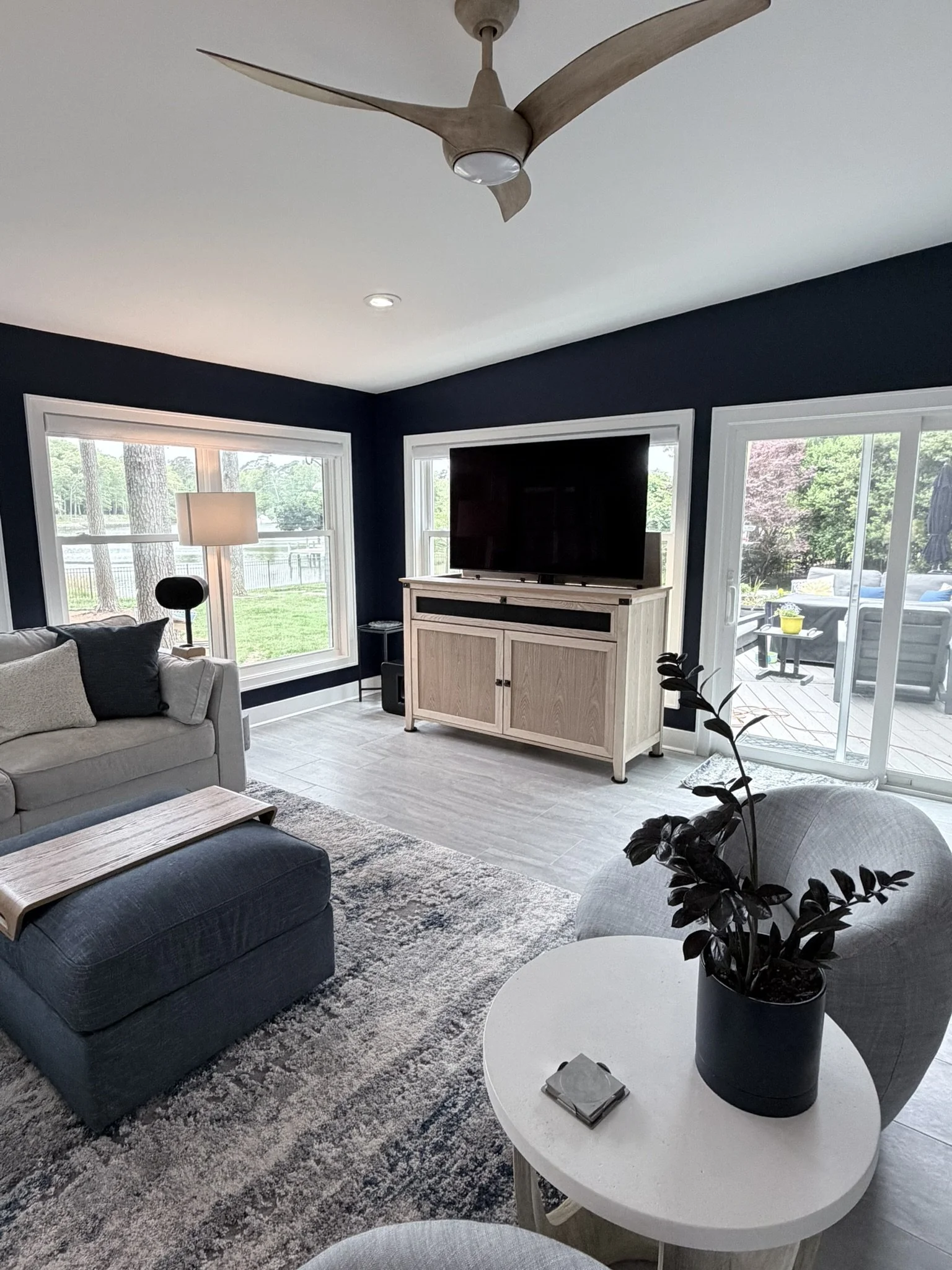
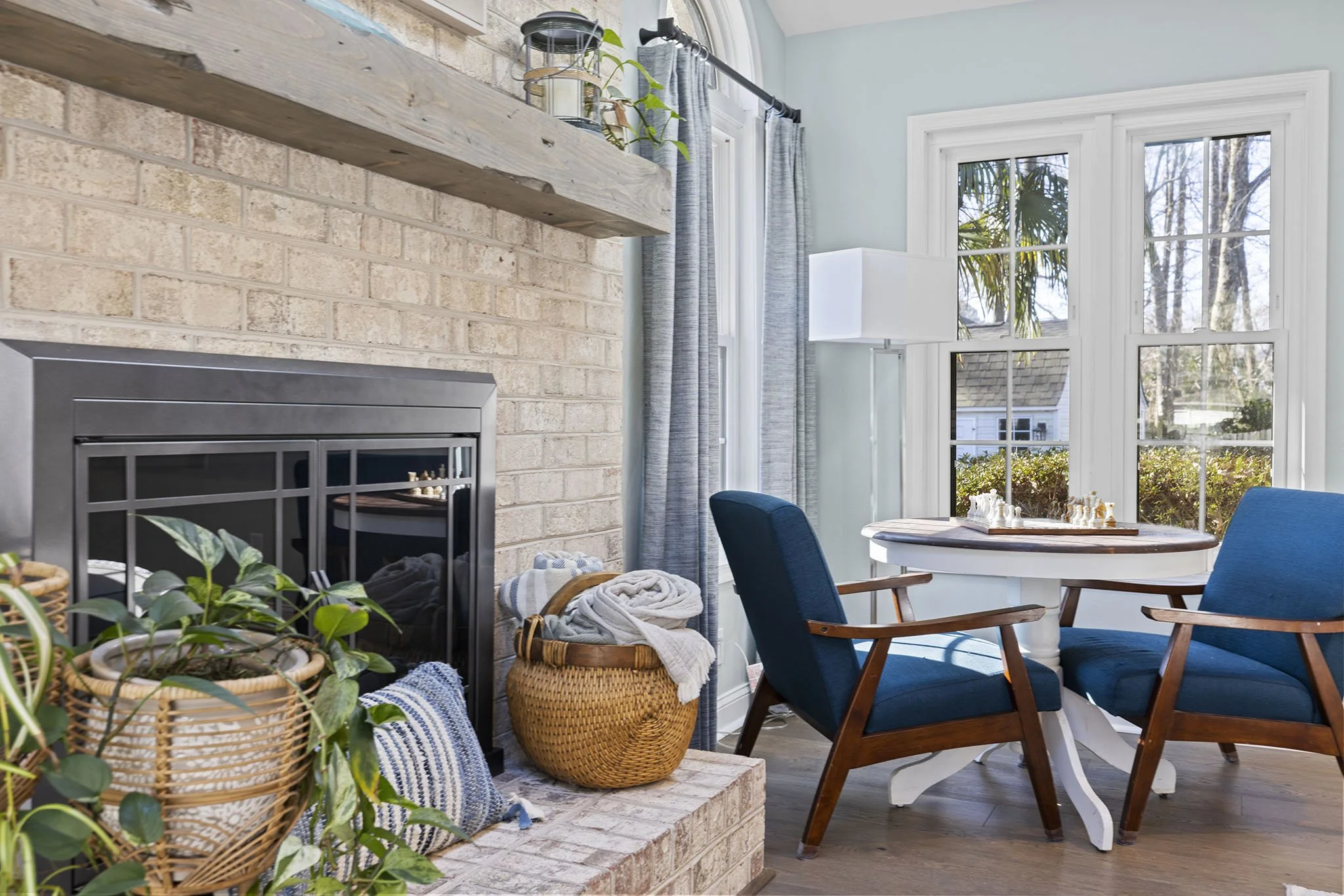
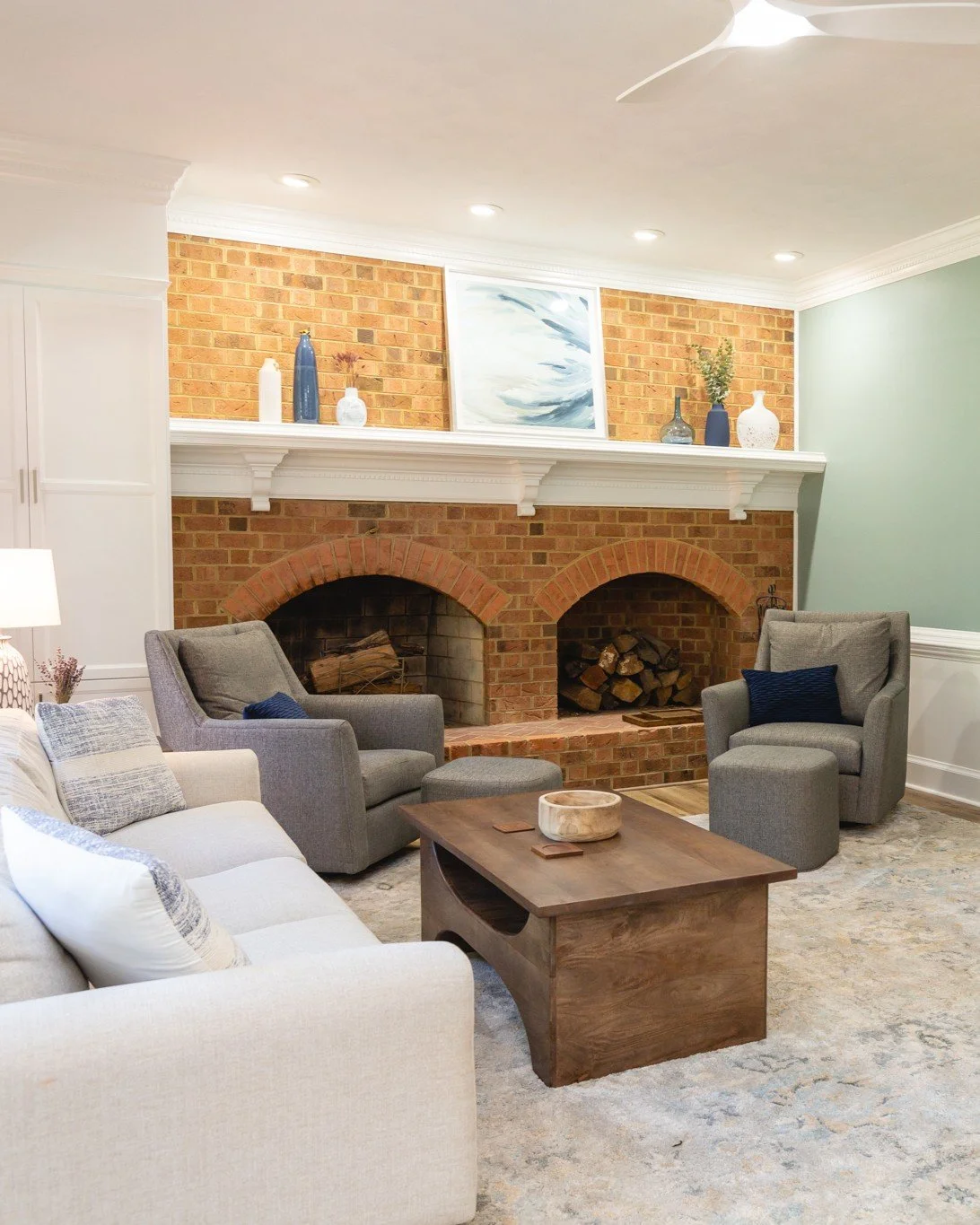
FAMILY ROOM DESIGN - CHESAPEAKE

This room’s transformation was part of a larger first floor remodel that included the kitchen, primary suite, and laundry/mudroom areas. (Stay tuned for those exciting details!)

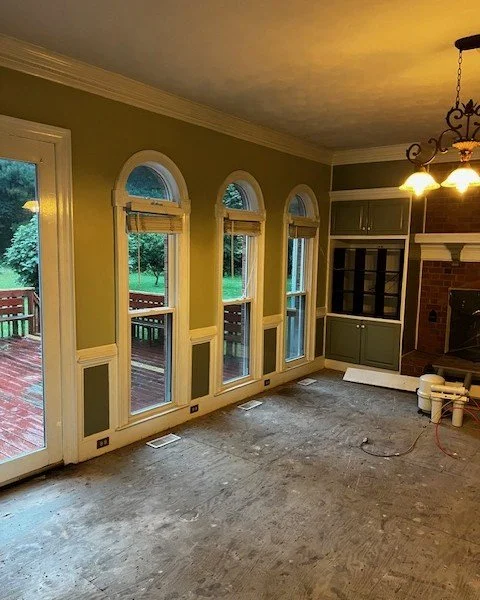
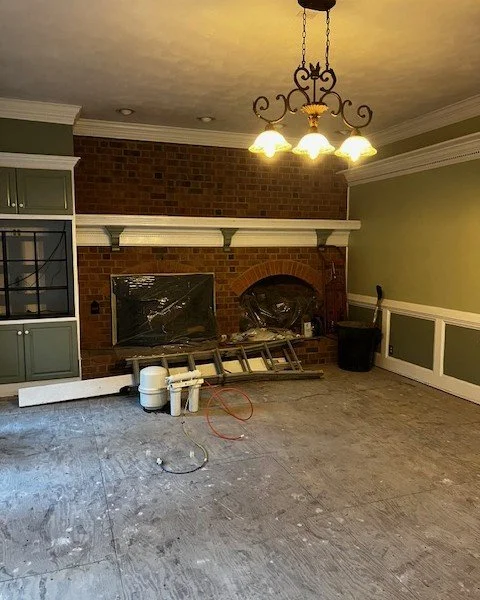
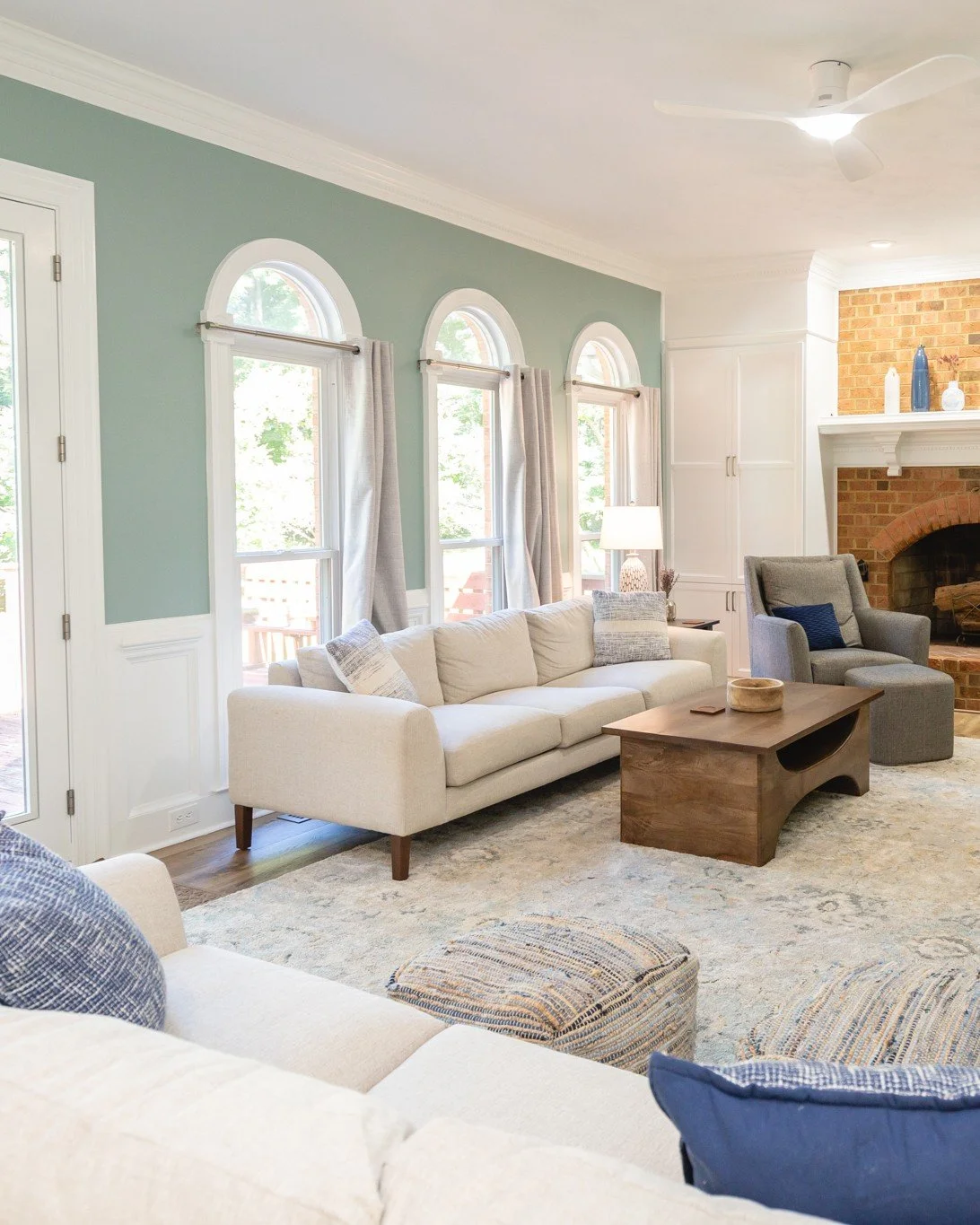
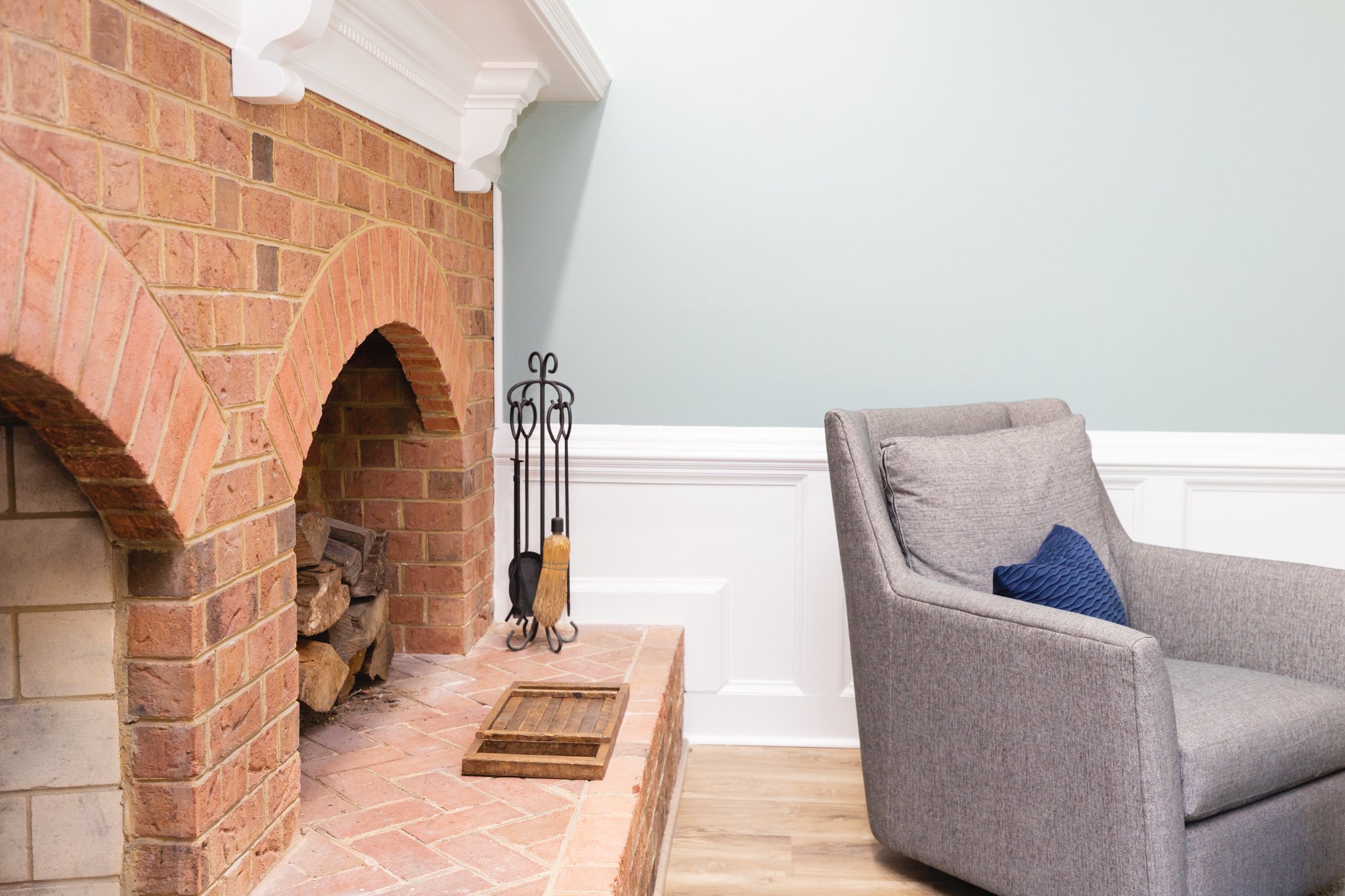
In this space, the clients wished to maintain the original brick, but freshen up everything else. The trim details were refined, including custom cabinet doors and shelving to update the built-ins and increase their functionality.
before

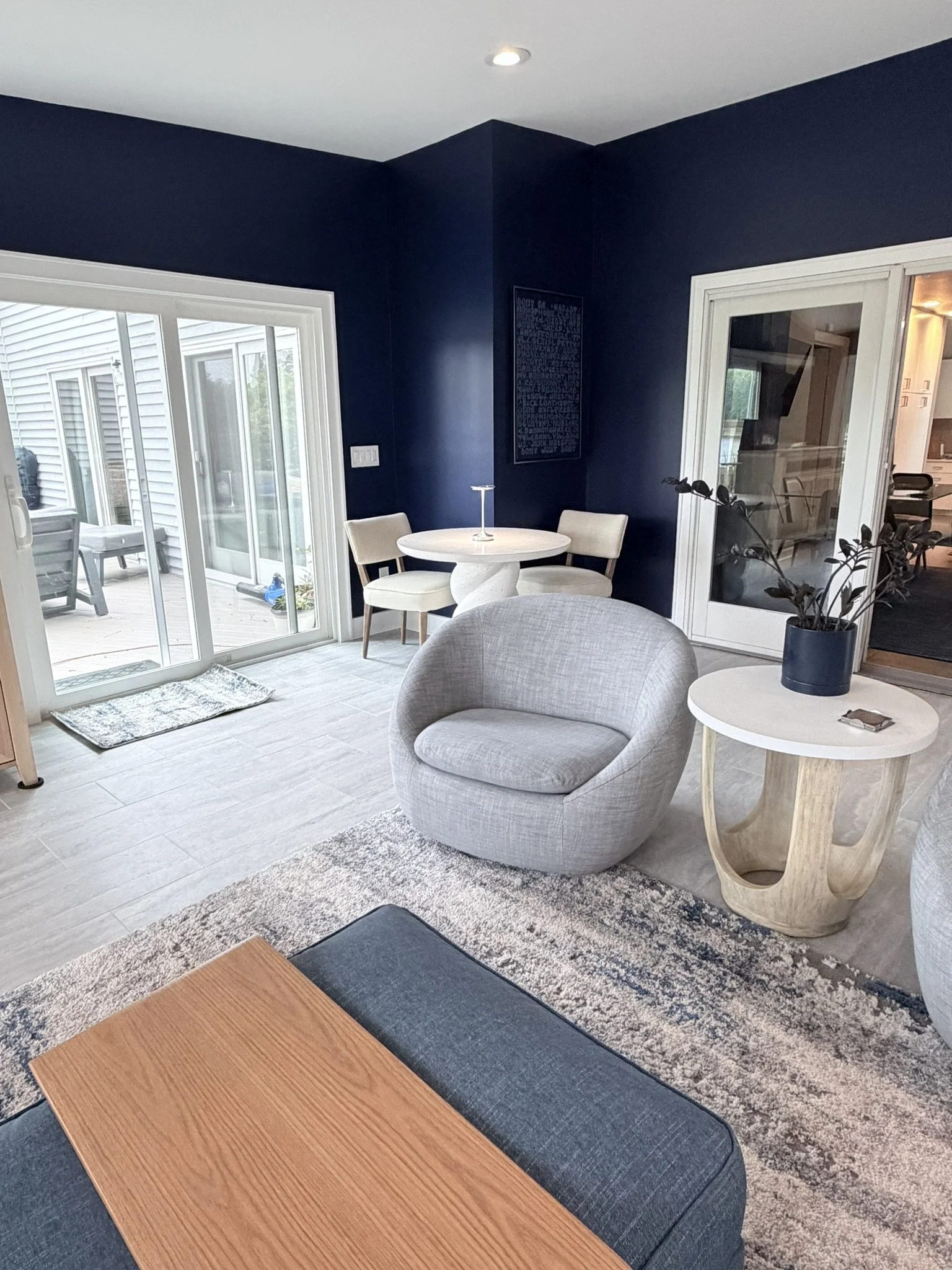
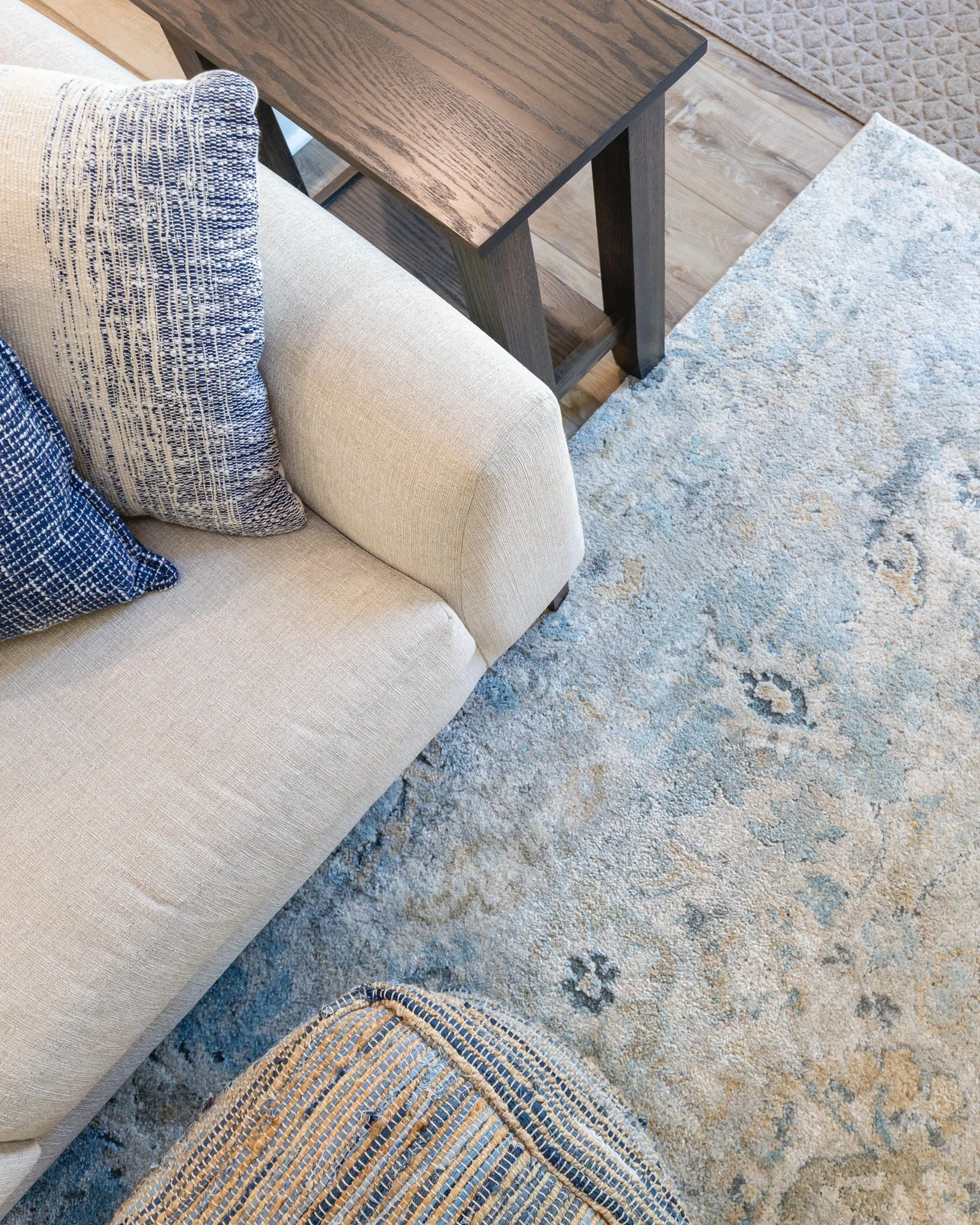
New flooring and a new paint palette create the perfect backdrop for the new furnishings and decor. The lighting was updated to provide a better atmosphere. Seating for eight, plus a few extra spots using the poufs, make this an incredible gathering space for this family.

Yay, design!

Design: Jaime Simpson of Creative + Curated

Contractor: DB Construction

After Photos: Lianna Pevar

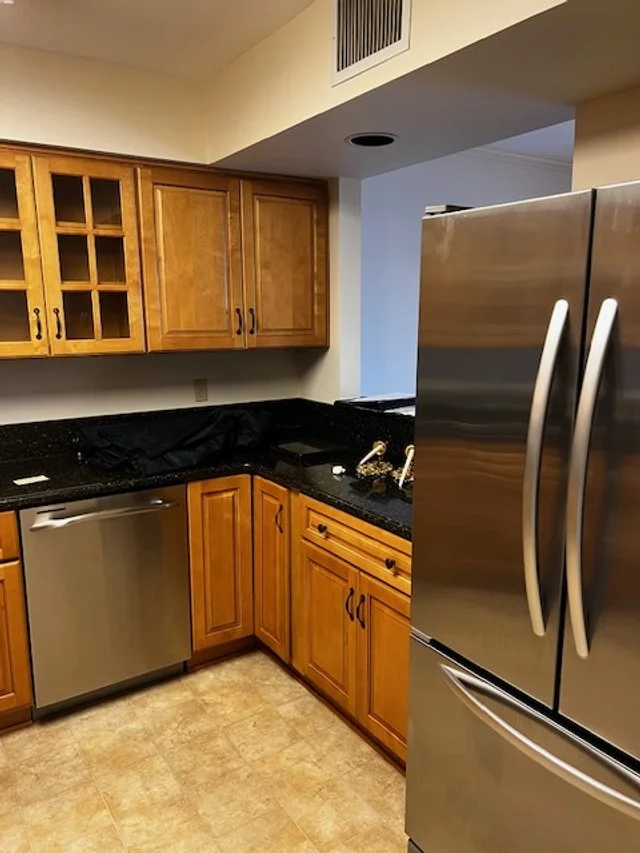
KITCHEN AND BATH REMODEL - NORFOLK

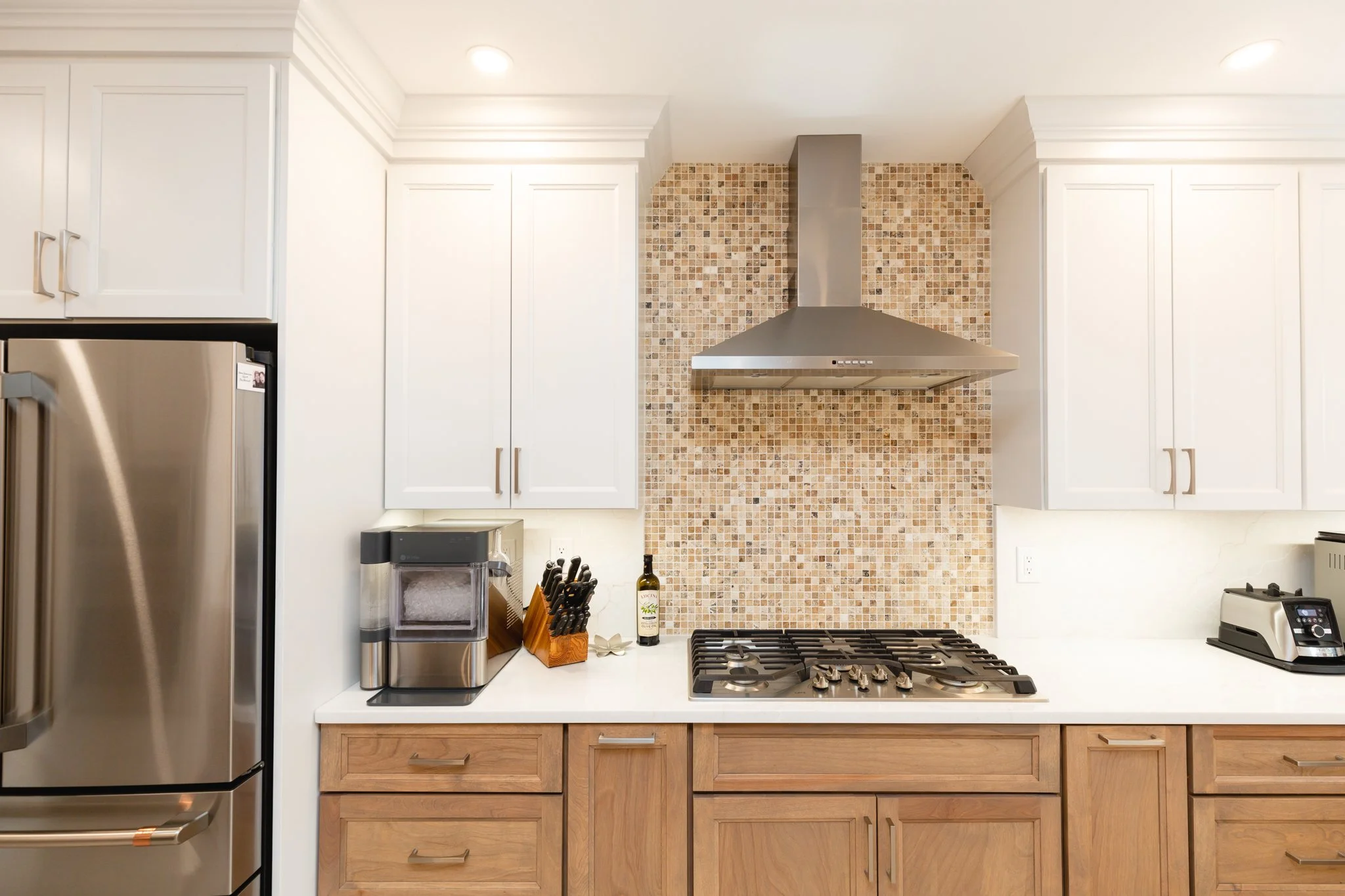
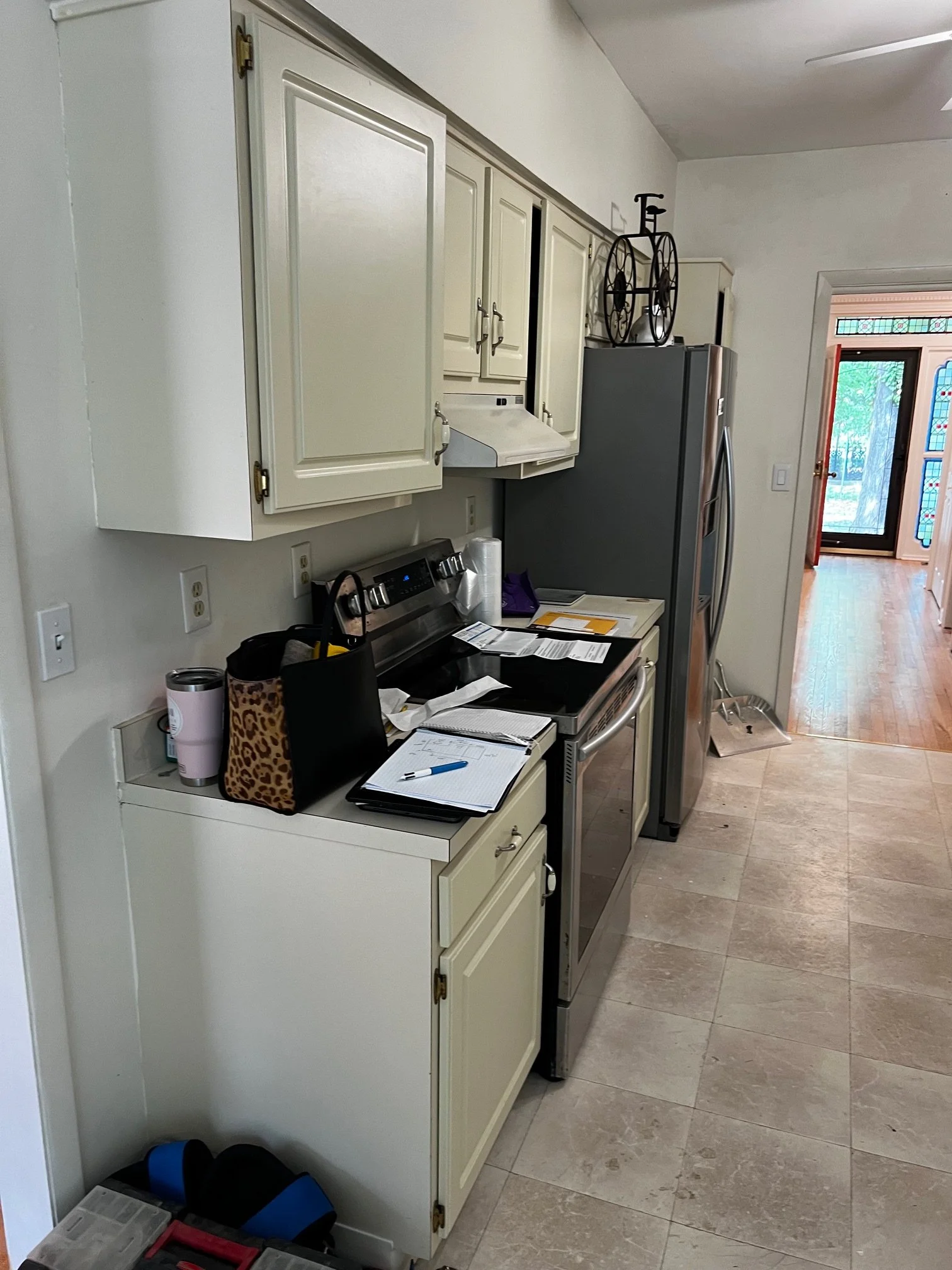
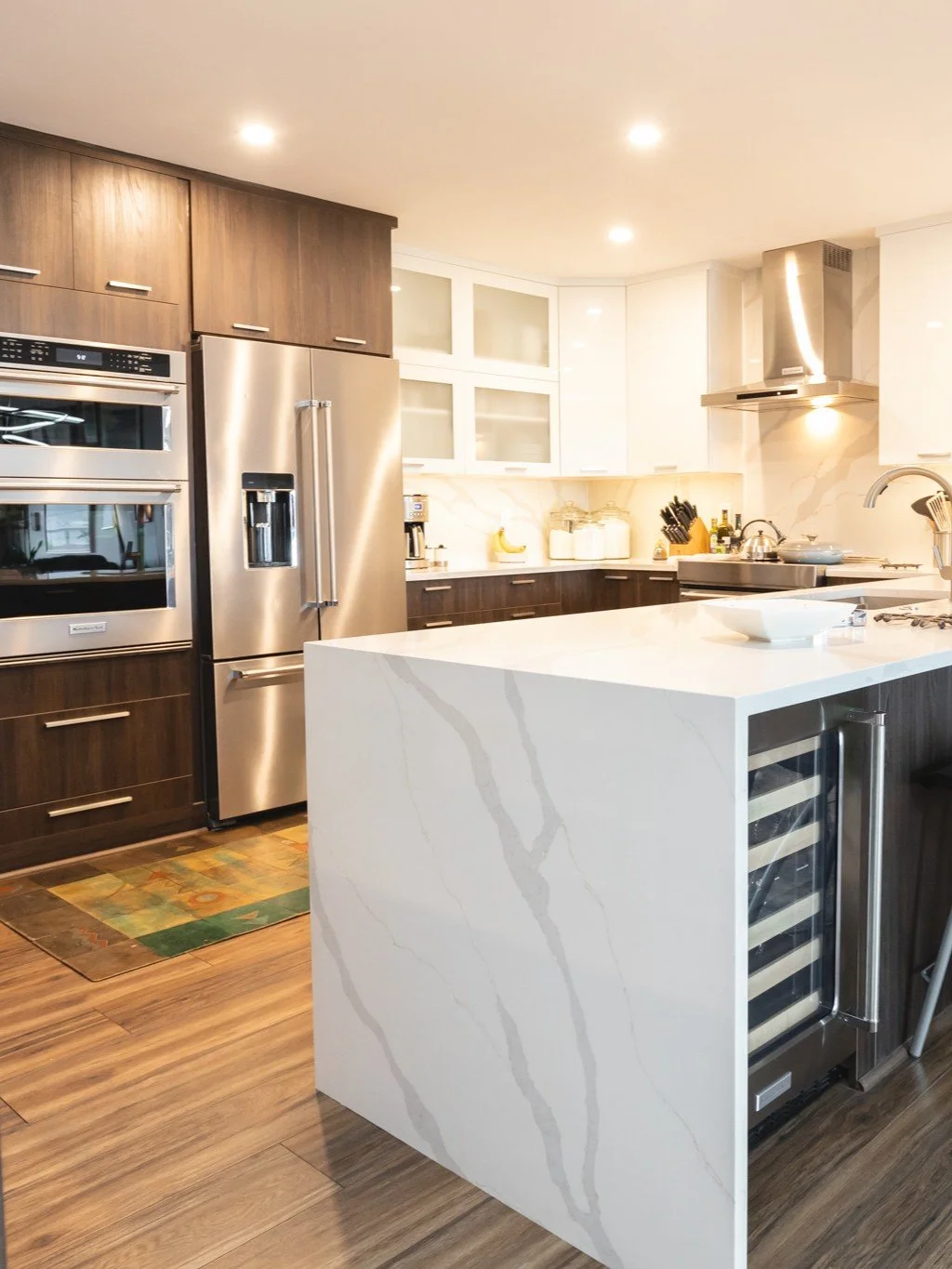
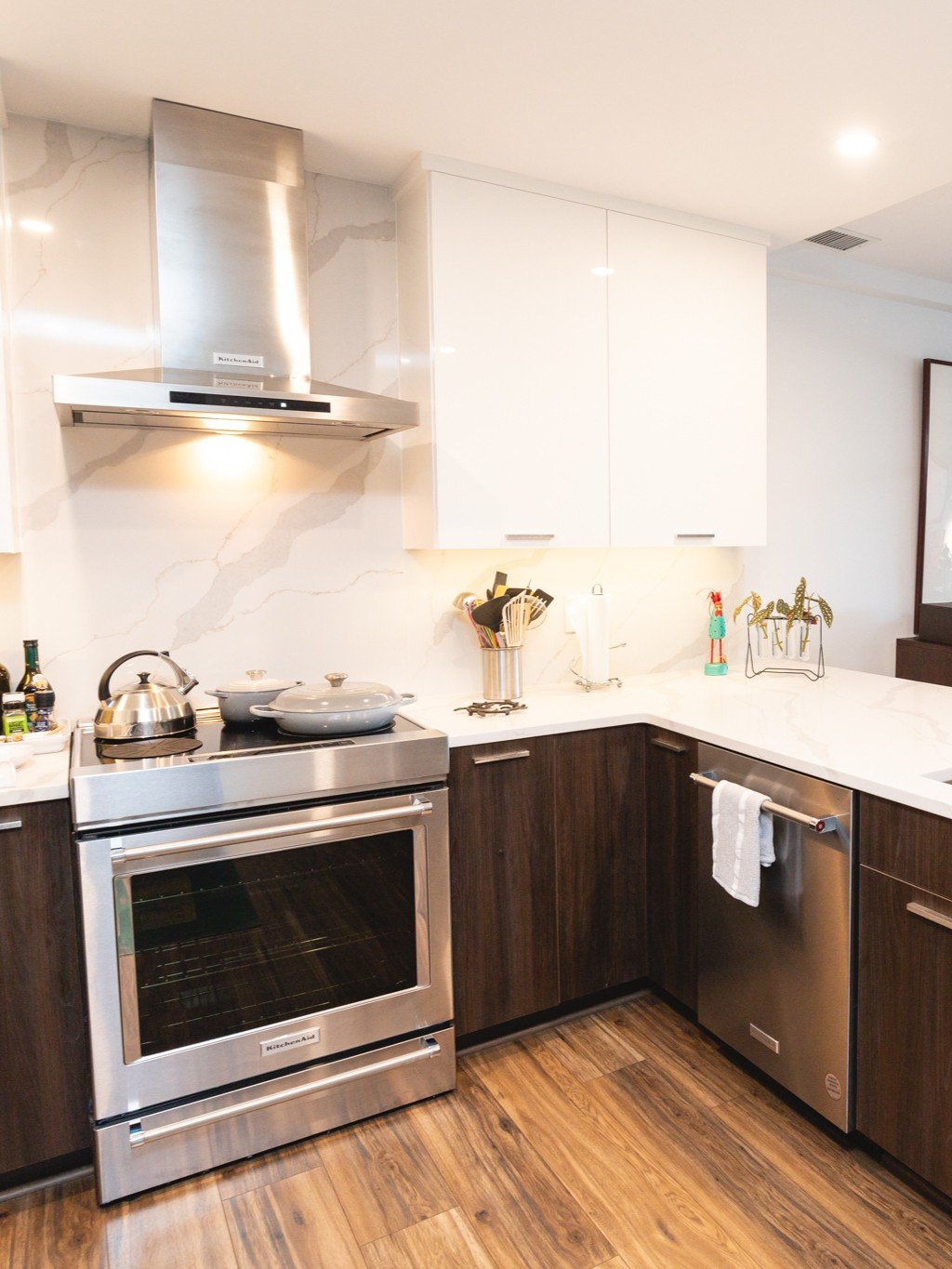
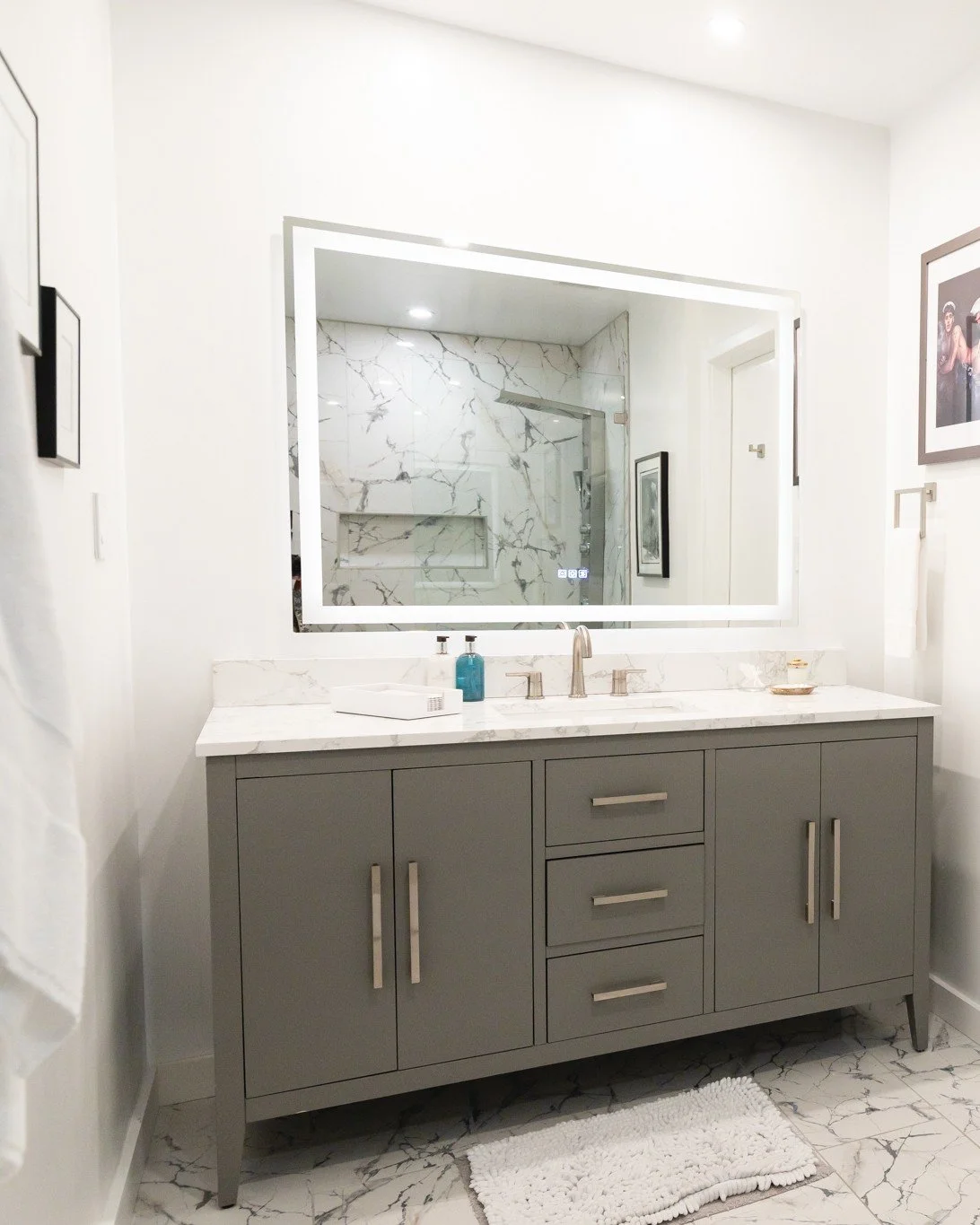
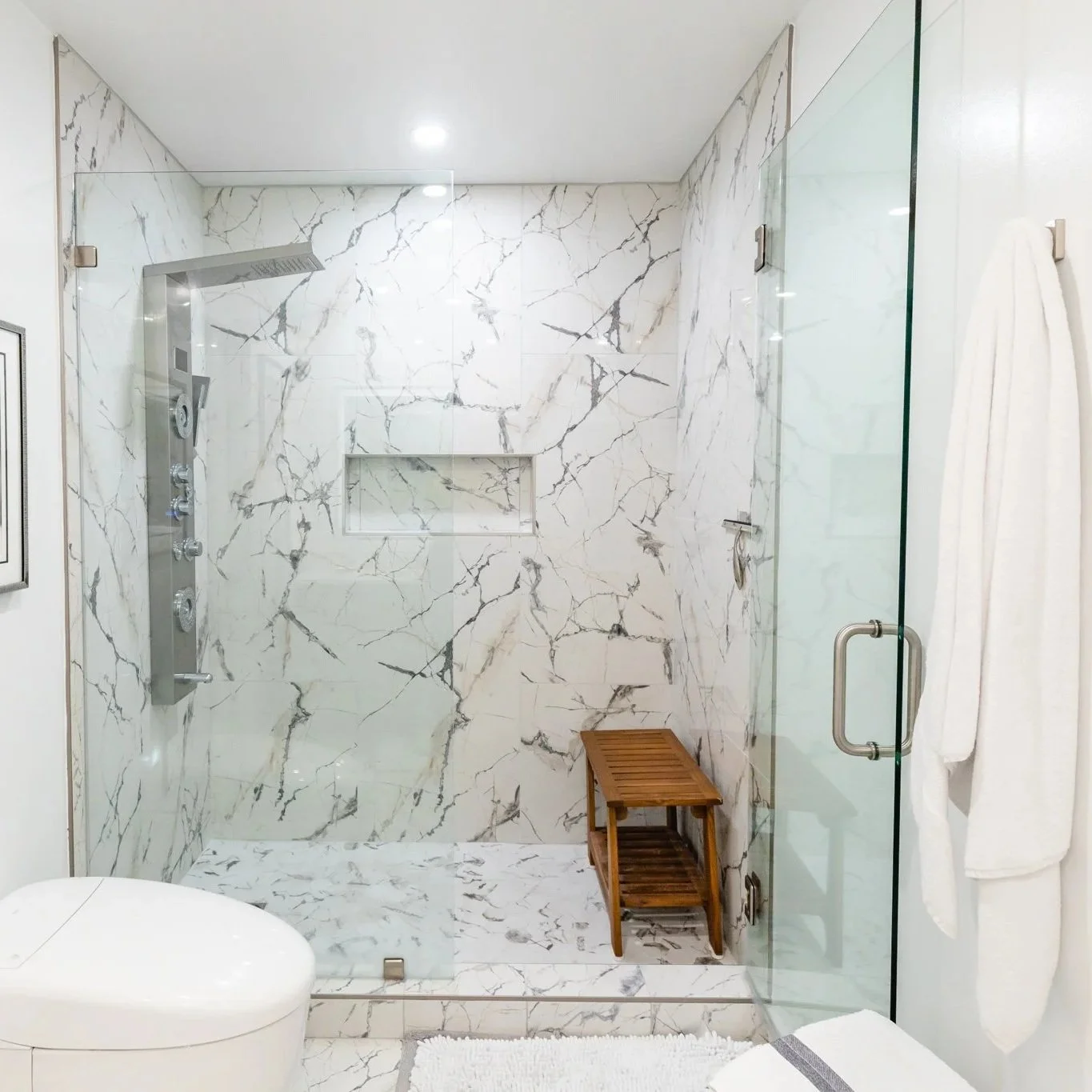
My client purchased this condo and was immediately ready to make it his own. The primary bath and kitchen were priority, with big changes in store. The original bathroom was split into two rooms - one for the sink area, and another for the toilet and shower. The original kitchen was closed off to the rest of the living area, and was missing out on tremendous views. So we took some walls down!

BEFORE

Everything was removed, and much was relocated. The wall coming down in the kitchen made way for a large peninsula with the sink overlooking the great room and the view. Countertops out of quartz material were extended into a waterfall edge on the peninsula and a full height backsplash to give elegance as well as ultimate durability. The new appliance locations and purposeful storage placement improved the flow for this avid cook.

In the bathroom, having the wall taken out made it feel like a whole new world. The tub was removed to allow for a large shower with large format tiles and a luxurious shower tower. New finishes gave the space a fresh start, and the improved materials will last for many years. Yay, design!

AFTER

Cheers! Yay, design!

Design: Jaime Simpson of Creative + Curated

After Photos: Lianna Pevar

BATHROOM REMODEL - NORFOLK

Function was the name of the game with this recent primary bath renovation. The original bathroom was split into two areas (yes, one had carpet!): a sink and vanity area at the end of the hall, and a separate room with the tub/shower combo, toilet, and second sink. The entry into the main bathroom space was awkward and cramped. So it was time to change that.

BEFORE

The wall between the vanity area and full bathroom area was removed, and the entry to the newly expanded bathroom was relocated to the end of the hall. The two sinks were joined together in the former vanity area, which allowed for additional cabinet storage where the single sink used to be. The tub was removed to create a larger shower with a built-in bench, large shower niche, and handshower area.

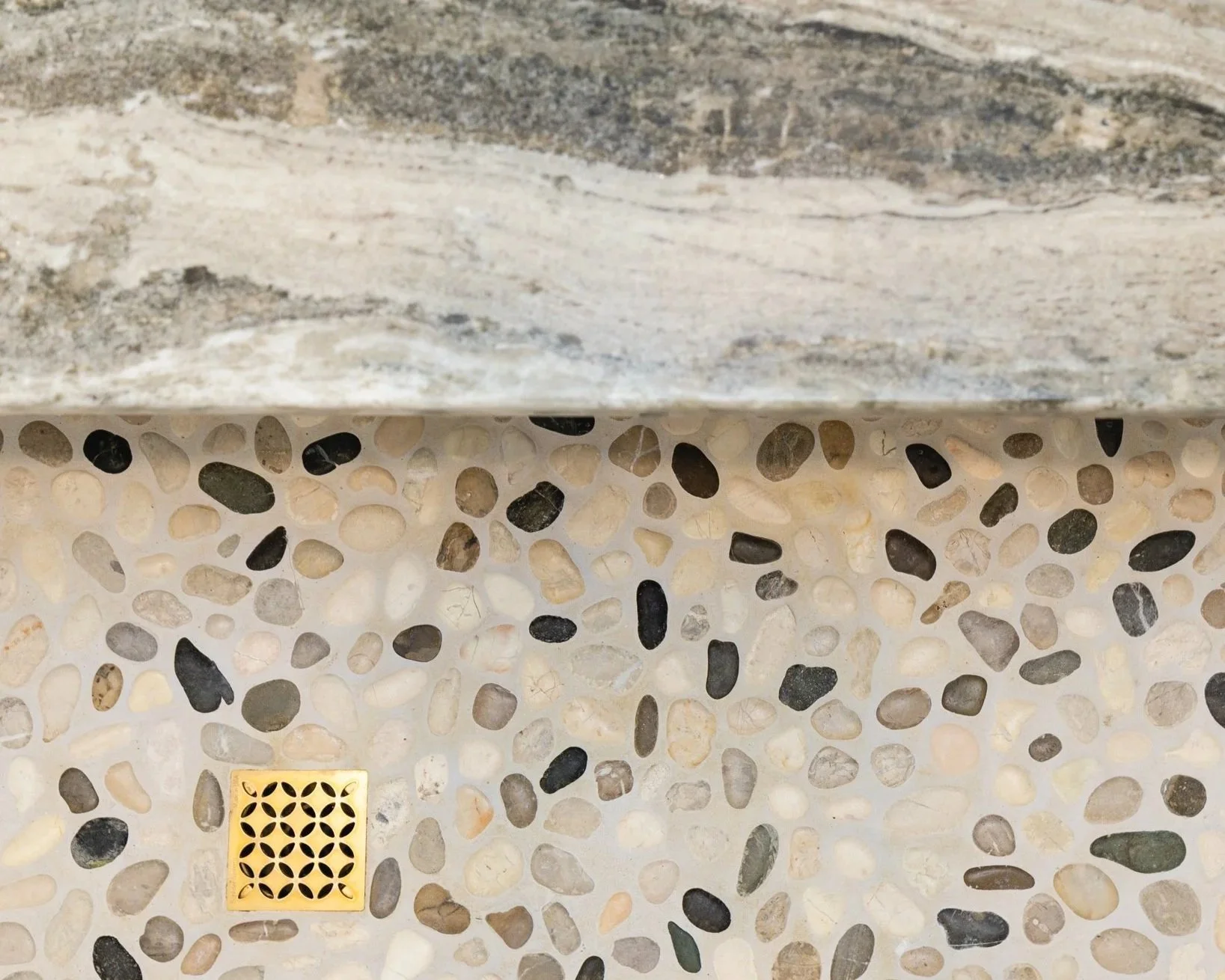
The rich charcoal finish of the cabinetry, the crispness of the wavy porcelain tile and quartz countertop, the playful shape and color blend of the pebbles, and the softness of the wall color create the perfect atmosphere. This primary bath space is now better with access, functionality, storage, and aesthetics.

The clients are thrilled - and so am I! Yay, design!

Design: Jaime Simpson of Creative + Curated

Contractor: DB Construction

After Photos: Lianna Pevar Photography

HALL BATH REMODEL - VIRGINIA BEACH

I had the joy of working with these amazing clients on a second bathroom project in their home. A few years ago, we remodeled their primary bath space, and it was now time to move onto the hall bath. Many of the original elements were still in place, and though they had done their job well, it was time for them to retire.

BEFORE

The tub and tile surround were taken out, and an elegant tub insert was used for easier maintenance. The single sink vanity became a double sink for greater functionality and usability. Porcelain tiles now grace the floors, and a soft wood stain adds warmth. Matte black fixtures bring contrast and a little drama (the good kind!), balanced by a misty blue-green tone for the walls. Additional lighting was incorporated to better illuminate the space, which is always a plus.

AFTER

The results are so fresh and bright - this bathroom definitely has a new lease on life. Yay, design!

Design: Jaime Simpson of Creative + Curated

Contractor: DB Construction

After Photos: Lianna Pevar Photography

BATHROOM REMODEL - VIRGINIA BEACH

This ensuite bathroom was ready for a glow up. The walls were all completely covered in tile, and the soffits that ran around the ceiling perimeter were making the space feel much smaller than it actually was. The clients wanted a brighter, breezier space, with a more coastal style in keeping with the rest of their home.

The knee wall between the vanity and toilet was removed, as were the soffits, tub, and wall tile. The vanity area could then be expanded; we also captured the space under the window to create a seating area. Natural pebbles were used for the shower floor, paired with crisp white and blue ceramic for the shower walls. White cabinetry was topped with a quartz of white and silver; the brushed nickel fixtures brought the shimmer.

This bathroom has a whole new lease on life. It checks the most important boxes: it is more functional, it has the freshness and brightness the clients hoped for, and it feels like it belongs with the rest of the home.

Cheers!

Design and Photos: Jaime Simpson of Creative + Curated

MAXIMIZING SPACES

When space is limited, it’s time to get creative. There are many ways to maximize various spaces in your home with storage solutions and organizational components to capitalize on every available inch. Read on for more information on cool space savers, clever appliances, and fantastic fixtures that help make smaller spaces feel grand.

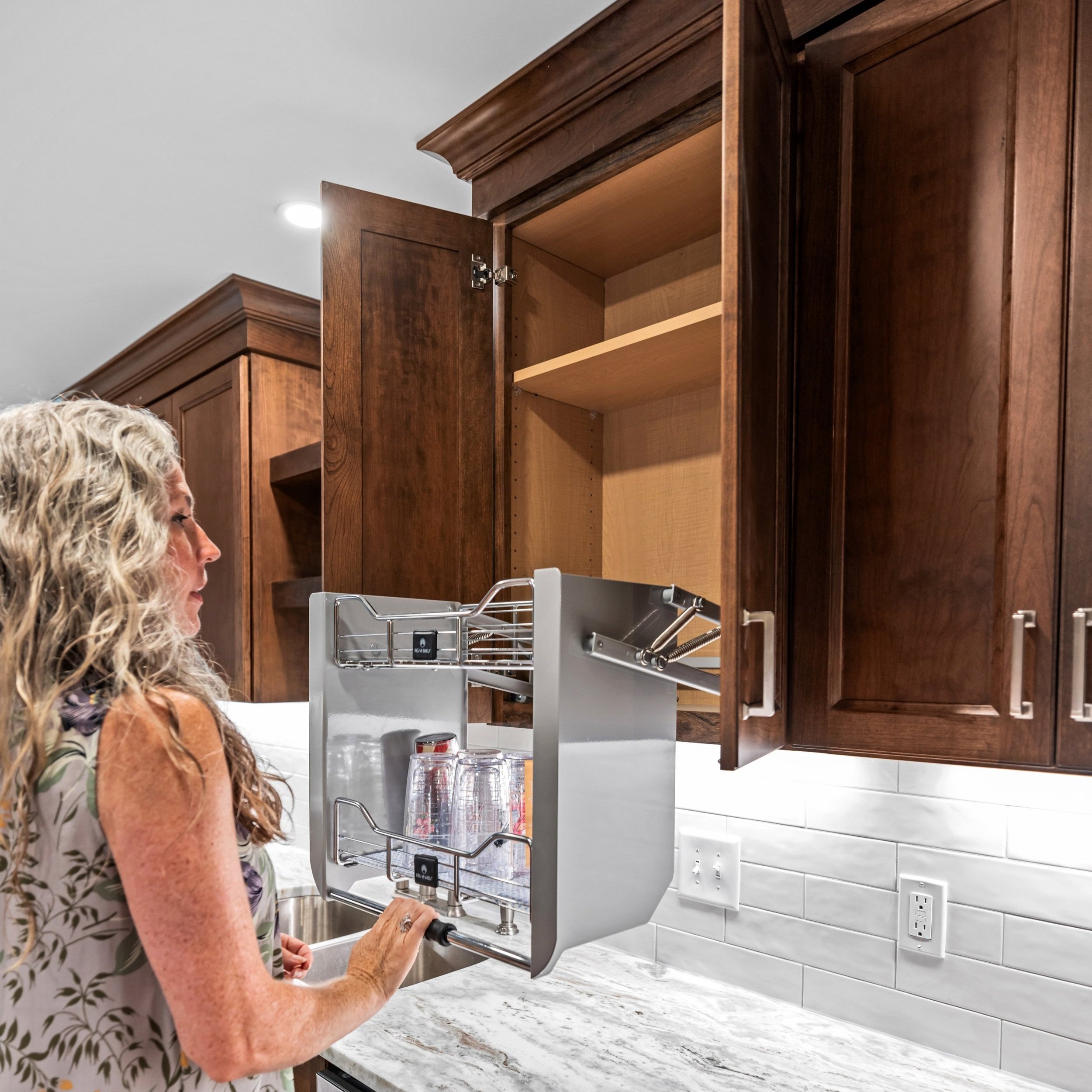
Demonstrating the pull-down shelf in a client’s newly completed kitchen.

Photo by Steven Salazar

CABINETRY:

If cabinet space is at a premium, how those cabinets are arranged and configured is key. I always recommend incorporating drawers whenever possible. Drawers provide a great way to see, contain, and access items that would otherwise be lost in a cabinet with only shelves. For storing specific items, Rev-A-Shelf creates a myriad of cabinet storage components that can be fitted into existing cabinetry, or incorporated into new cabinetry. My top recommendations are the cloud corner storage shelves for base cabinets, wall cabinetry pull-down shelves, the drying rack shelf, and the classic rollout shelf.

FURNITURE:

This ottoman has a lift-up top cushion to reveal an open storage space inside.

Photo by Steven Salazar

End tables with additional shelves or drawers add to the storage capability without increasing the footprint of the piece. Furniture and accessory pieces with hidden storage are always a win. Sofas and ottomans with storage under the cushions are available; these areas are great for blankets, extra pillows, games, and even remotes. Also, don’t be afraid to go up - vertical storage is an amazing way to capture more space. Go for that tall bookshelf or cabinet and celebrate all the room you’ll have!

WALL SPACE:

In the same vein as the tall bookshelf, wall-mounted fixtures are another great way to gain more storage without using additional floor space. Items like wall mounted drying racks, shallow jewelry cabinets with swingout doors, and shelves for media storage will make such a difference.

FIXTURES:

Workstation sinks are becoming a star in kitchen spaces, providing a place to wash, cut, and air-dry fruits and vegetables right in the footprint of the sink itself. These sinks also come with components for drying dishware and utensils, saving valuable counter space. In bathrooms, showerheads with integrated handshowers (including full-on shower towers with body sprays) are a streamlined way to have multiple functions without taking up additional wall area. Shower niches (available in many standard sizes as well as custom) provide a place for shampoo, conditioner, and more that is recessed into the shower wall. And we can’t forget the tried-and-true medicine cabinet, now available with integrated LED lighting inside and out, as well as interior electrical receptacles and magnifying mirrors.

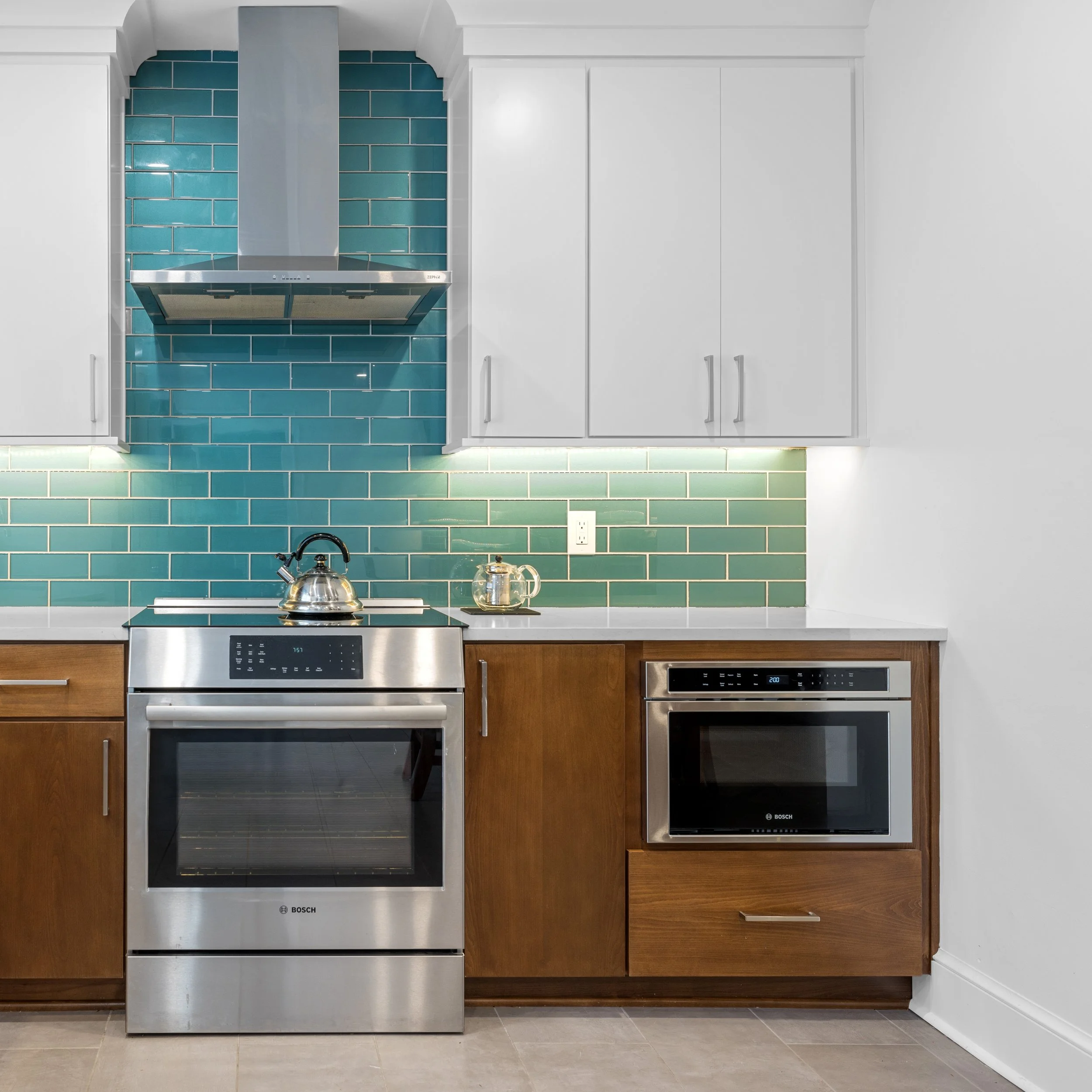
The microwave drawer allows for an easier reach than above the range, while allowing the counterspace to remain clear for cooking prep.

Photo by Steven Salazar

APPLIANCES:

Compact dishwashers, stackable washer/dryers, microwave drawers, and refrigerator drawers are just a few options for high utility in low square footage. There are also multi-function units like the all-in-one washer and dryer, and the Advantium oven which not only offers microwave and convection cooking options, but also speed cooking, radiant heat, and warming features (all in the same unit!).

This is really just the tip of the iceberg when considering space saving options; there are many wonderful manufacturers that provide creatively designed pieces that help organize and store, helping our spaces reach their full potential. Yay, design!

Cheers,

Jaime

All photos are from projects designed by Jaime Simpson.


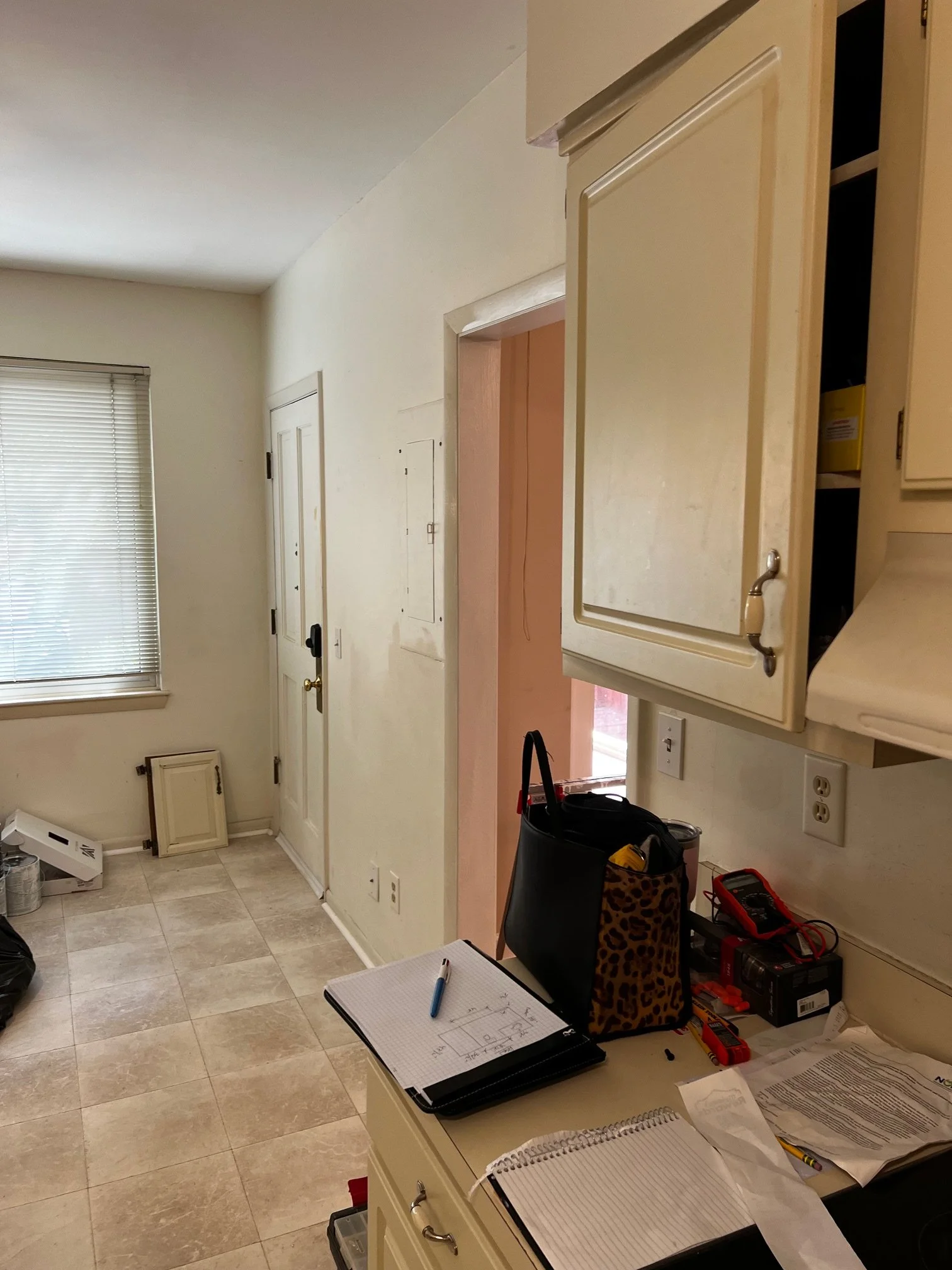
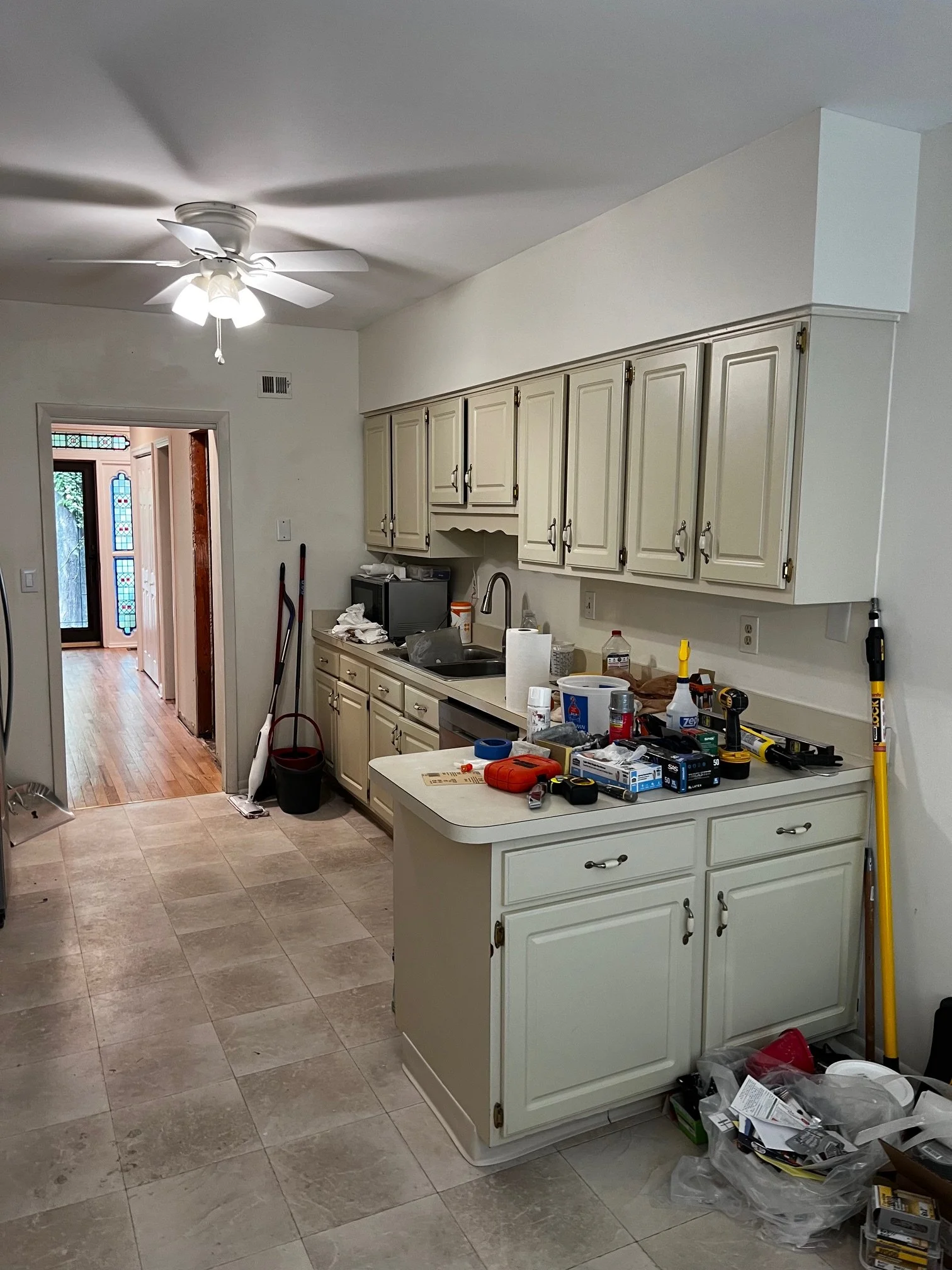
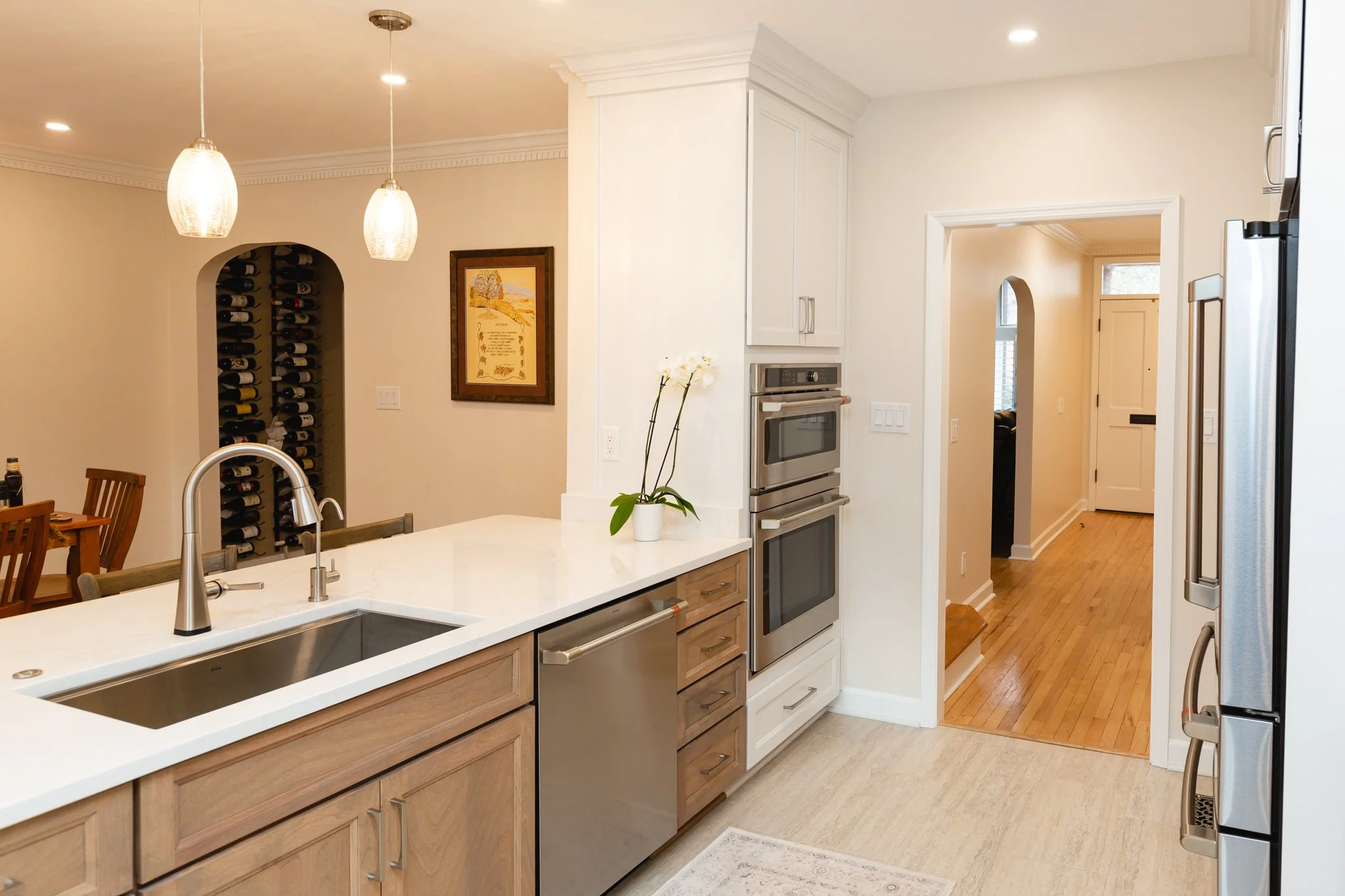
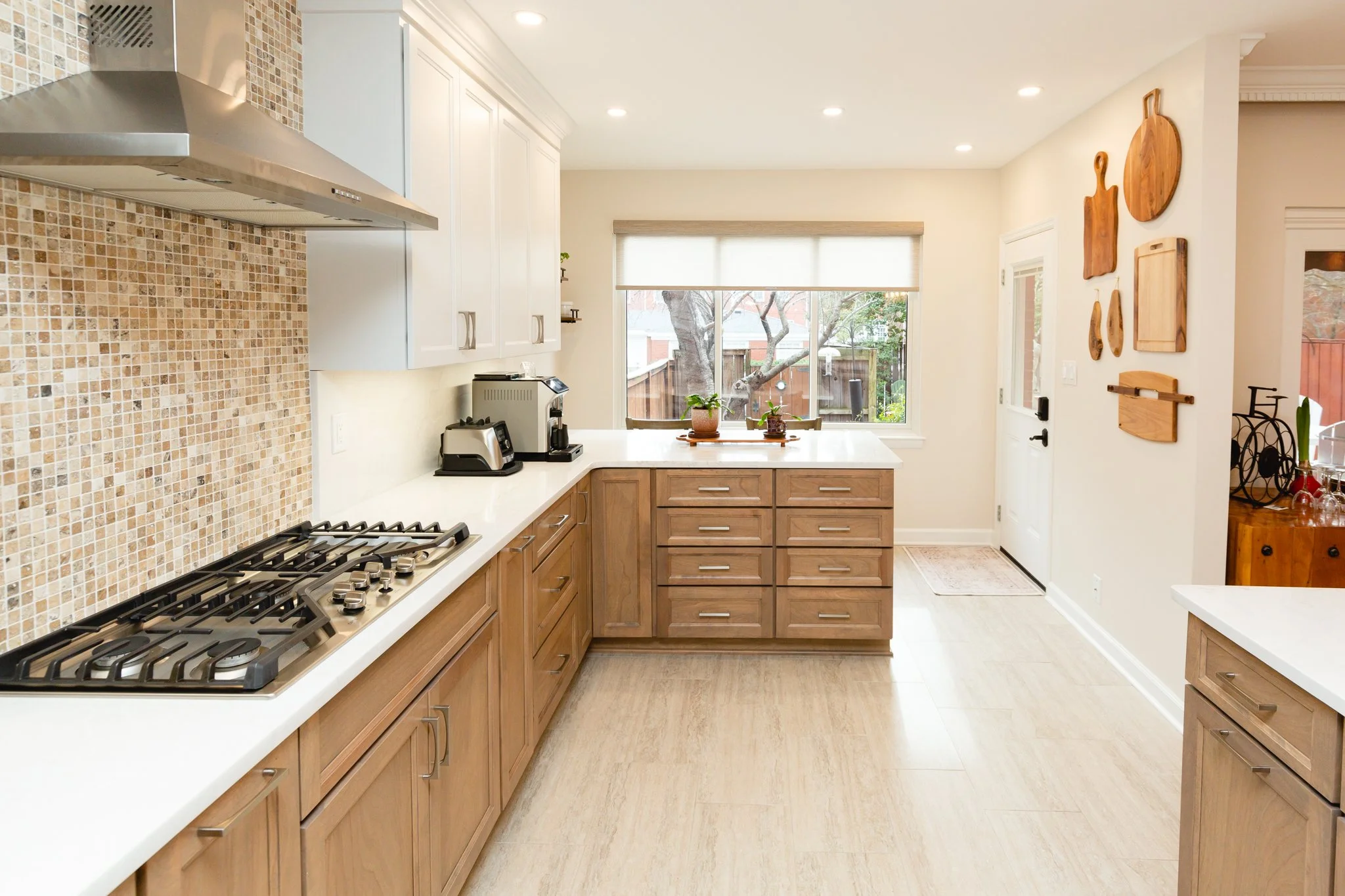
KITCHEN REMODEL - NORFOLK

The goal was to create the ultimate gathering space in their forever home. An addition by previous owners gave them a large living area with expansive views of their lovely backyard; the kitchen, however, was limited in space and usability, and closed off from the living area by a utility closet and a walkthrough space.

So we made some changes.

before

The wall between the kitchen and walkway, along with the utility closet area (which was relocated) were removed, opening the kitchen completely to the living room. A grand island was placed in the center, framed by a cooking area on one side and an entertainment area on the other. The amount of storage almost doubled from the previous kitchen, with the new layout providing optimum functionality.

The clients wished for a two-tone kitchen, so we went for a strong blue paint finish for the island, and a crisp white for the perimeter. Quartz countertops were used for all areas; a bookmatched pattern on the island created an amazing focal point (with an essentially invisible seam). A lighter blue glass tile was set in a herringbone pattern for the backsplash for shine and interest. New flooring and lighting were placed throughout to unify the entire area. It truly became a great room.

AFTER

This transformation is quite incredible. Cheers!

Design: Jaime Simpson of Creative + Curated

After Photos: Salazar Studios

VANITY AREA AND CLOSET REMODEL - VIRGINIA BEACH

These clients had already moved their main closet into former attic space, which freed up their original closet to become storage. They were now ready for that space to become something totally new: a vanity area with a sink, extra storage, and a place to sit.

Though their main closet space was functional, the space wasn’t being used to its full potential. I designed the new closet to include additional shelves, drawers, and tall hanging space, as well as hooks for hats and belts.

For the design of the vanity area, I also focused on maximizing the space, incorporating wall cabinets that extend down to the cabinetry and internal components for accessory storage, while still maintaining a significant amount of usable counter space.

BEFORE

A textured wallcovering, white painted cabinetry, and decorative lighting came together to create a bright and fresh vanity area, and the additional functionality and updated accessories made the closet a dream dressing space.

AFTER

Yay, design!

Design: Jaime Simpson of Creative + Curated

After Photos: Salazar Studios

LIVING ROOM DESIGN - VIRGINIA BEACH

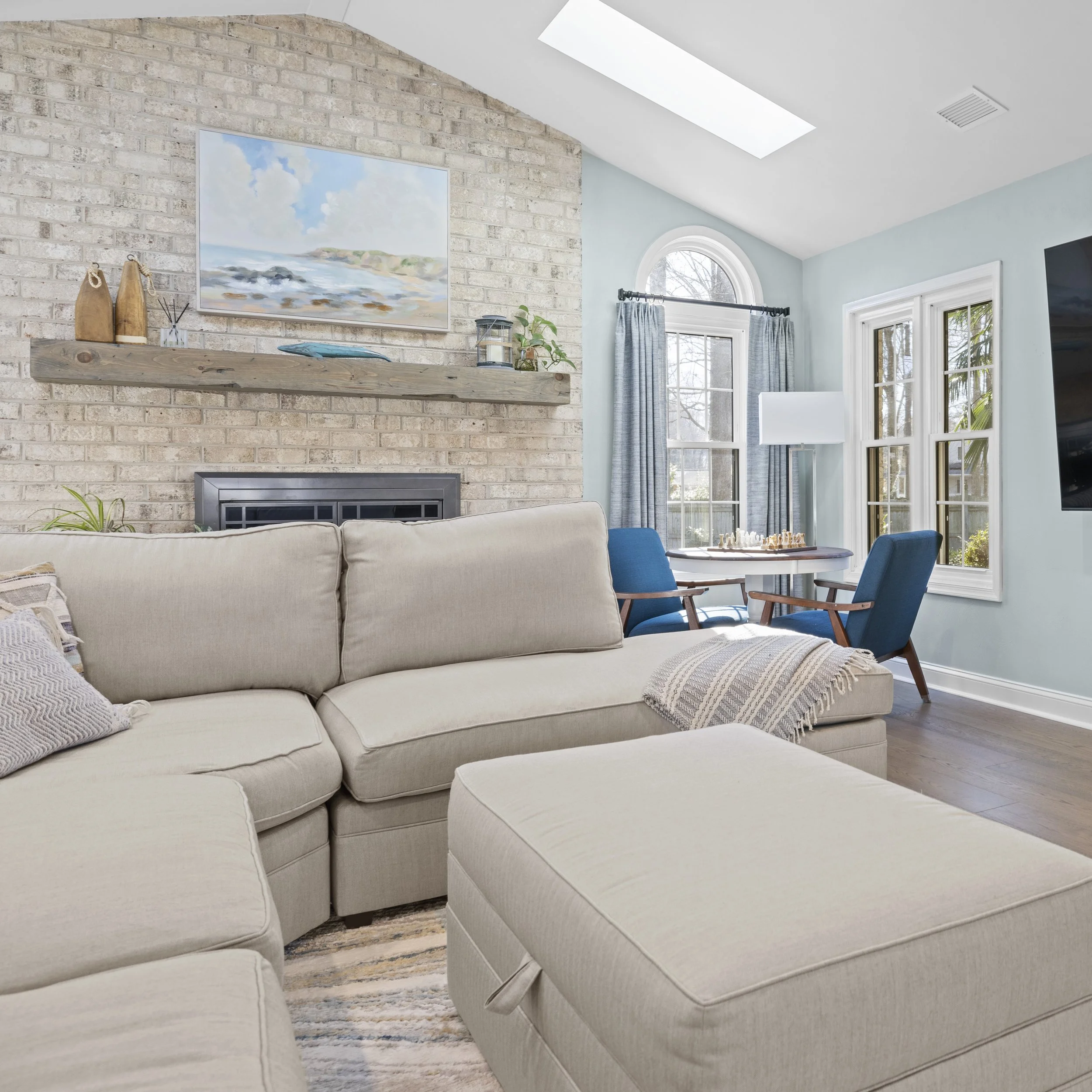
New flooring, lighting, and wall color set the stage for this lovely living room design transformation.

My clients wished to keep their chess table and television, but update all of the other furnishings and accessories. A large sectional and storage ottoman anchor the seating arrangement, with an accent chair, nesting tables, and expansive rug to finish out the concept. Custom window treatments were fabricated to frame the fireplace area, and the clients’ artwork and photography was curated to dress the walls.

A comfortable gathering space was the goal, and this room is now a favorite for this family to share time and relax. Yay, design!

Design: Jaime Simpson of Creative + Curated

Contractor: Carlton Building Services

After Photos: Salazar Studios

POWDER ROOM REMODEL - VIRGINIA BEACH

Personality? This revitalized powder room definitely has it! Check out these before and afters!

BEFORE

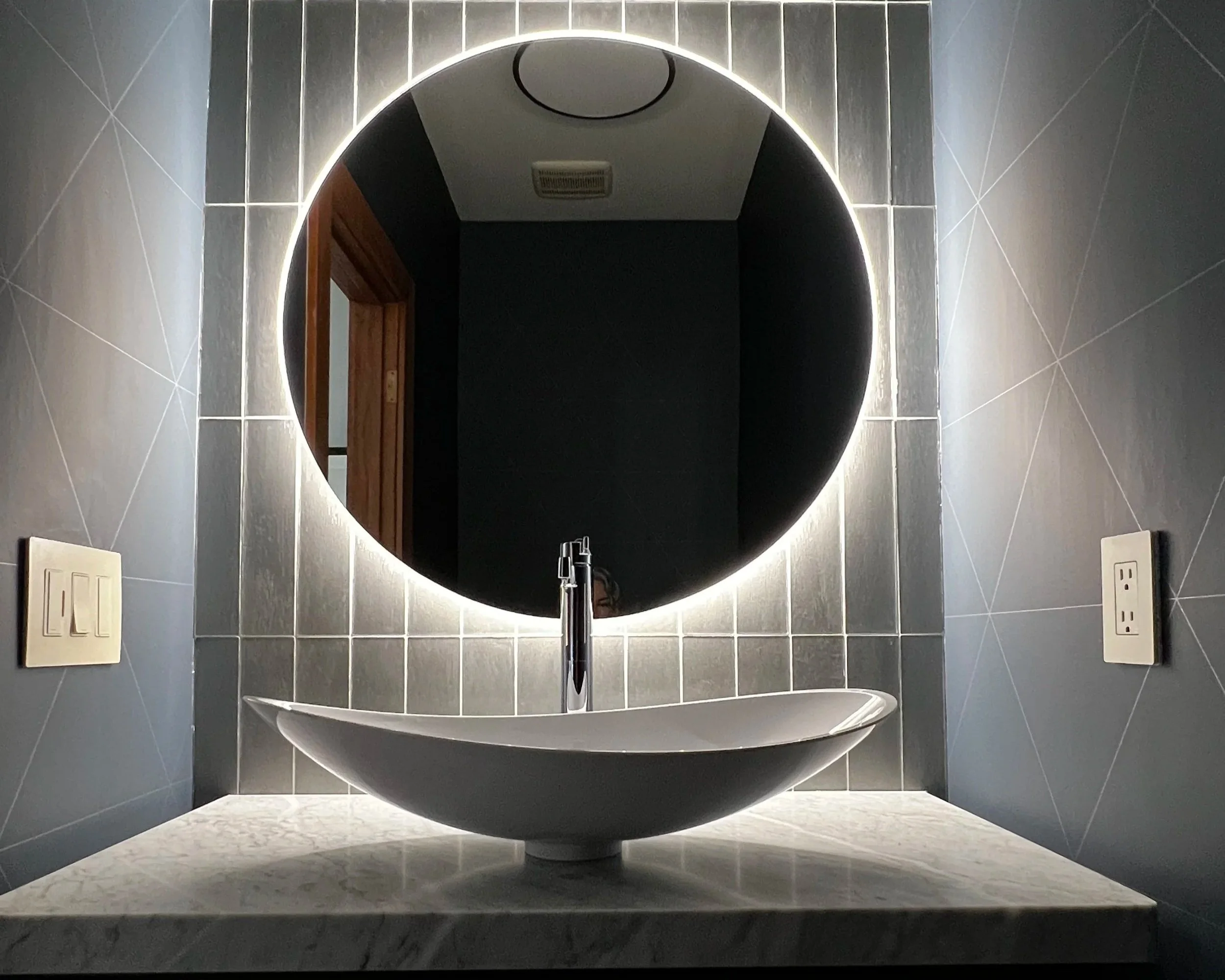
Though the layout remained the same, the new wallpaper, floor tile, vanity, and fixtures make it feel like a completely different space. The dark picket tiles add tons of interest and offer a wonderful contrast to the light color palette of the walls and vanity. And two thumbs up for the mix of metal finishes in the plumbing, accents, and lighting!

AFTER

Yay, design!

Design: Jaime Simpson of Creative + Curated

Contractor: Carlton Building Services

After Photos: Salazar Studios

KITCHEN AND BATH REMODEL - NORFOLK

It was such a thrill to be part of this transformation. My clients were ready to use their kitchen and main bathroom in a new way - with more storage, more flow, and a style that was a better fit for the home and their preferences.

before

In the kitchen, the peninsula was completely removed, and the arrangement reconfigured. Additional cabinetry was added on the opposite wall to provide more counter and storage space. In the bathroom, the wall was pushed out about two feet to provide a larger shower area, and more vanity storage.

design renderings

AFTER

I just couldn’t be happier with how this turned out. Cheers!

Design: Jaime Simpson of Creative + Curated

Contractor: Andrew Chase, Phalanx Contracting

After Photos: Salazar Studios

KITCHEN REMODEL - VIRGINIA BEACH

This home is a family treasure; my client’s grandmother originally lived there, and my client now has the joy of keeping it in the family. The kitchen was original to the home and was in need of a refresh. My client wished to infuse new life into the space, adding to the home’s longevity.

AFTER

The space originally had a wall between the kitchen and a large front entry. With the wall gone, the space is much more welcoming, and allows for a permanent kitchen island and designated eating area. The client already had the kitchen layout established when I joined the project; I gave it the thumbs up and provided design solutions for the finishes and fixtures. We are thrilled with the rich tone of the cabinetry and how it contrasts with the variation in the flooring. And who doesn’t love a nice pop of blue in a glass tile backsplash?

Design Finishes: Jaime Simpson of Creative + Curated

Contractor: Client’s Own

Photos: Courtesy of Client

KITCHEN REMODEL - YORKTOWN

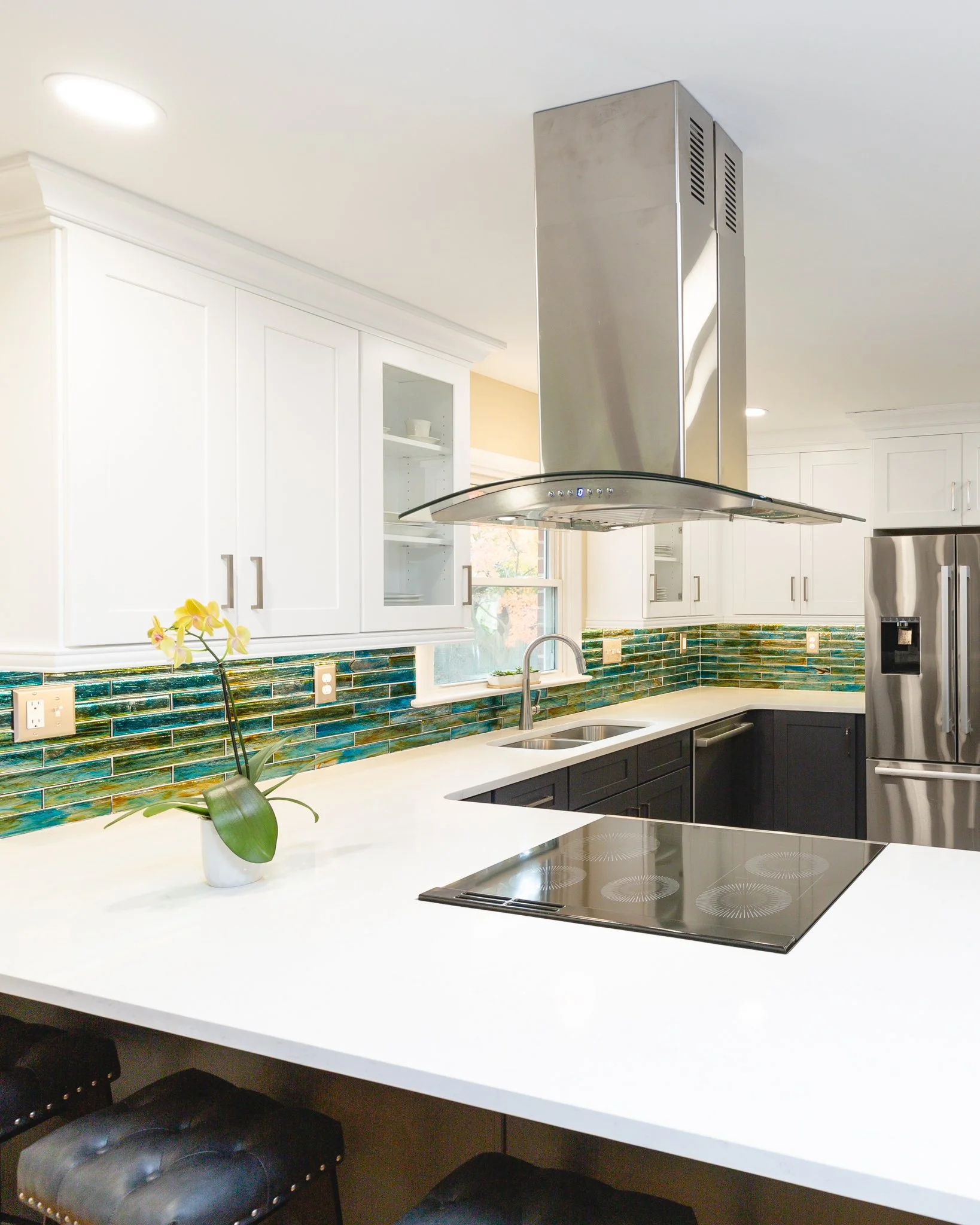
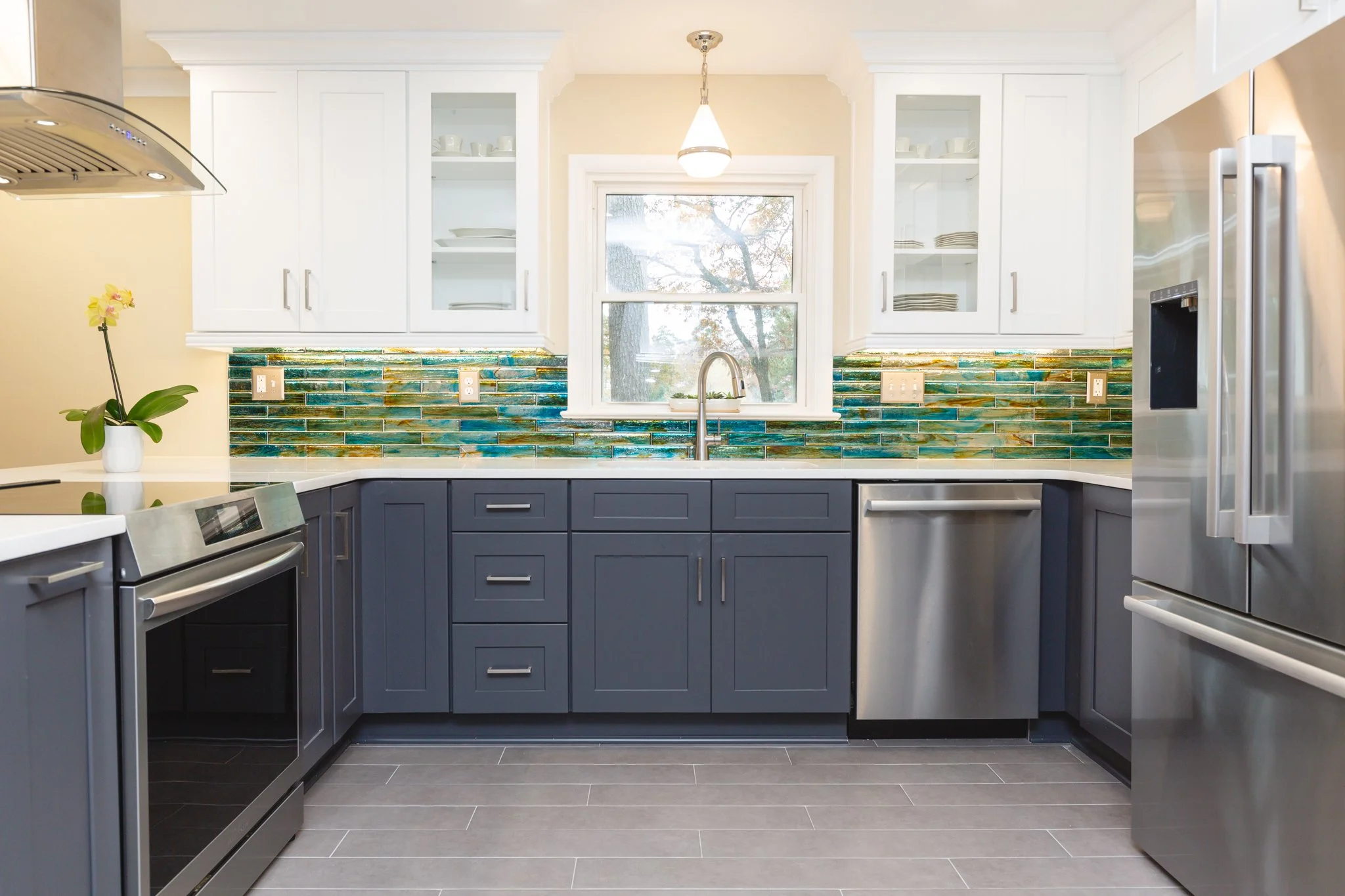
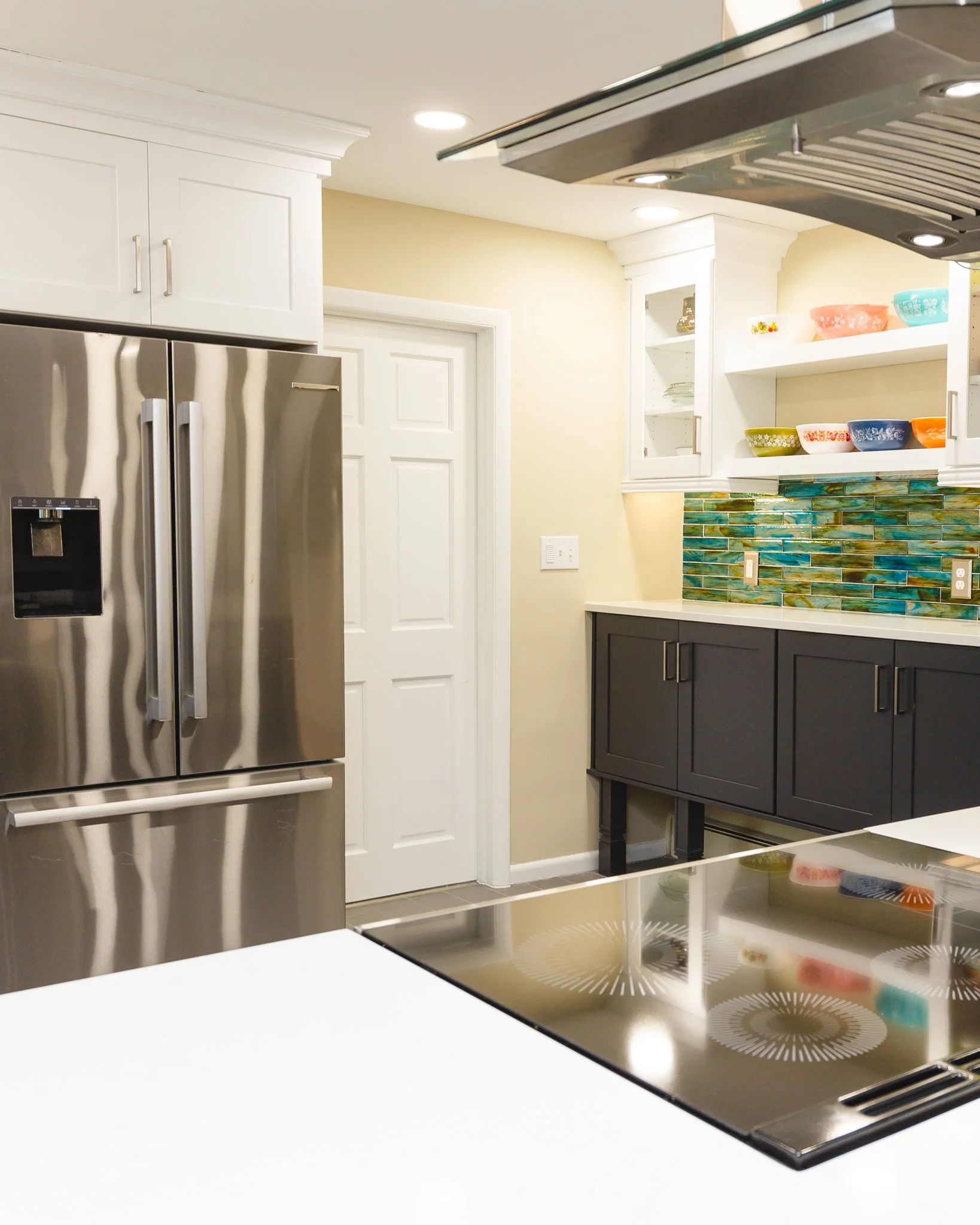
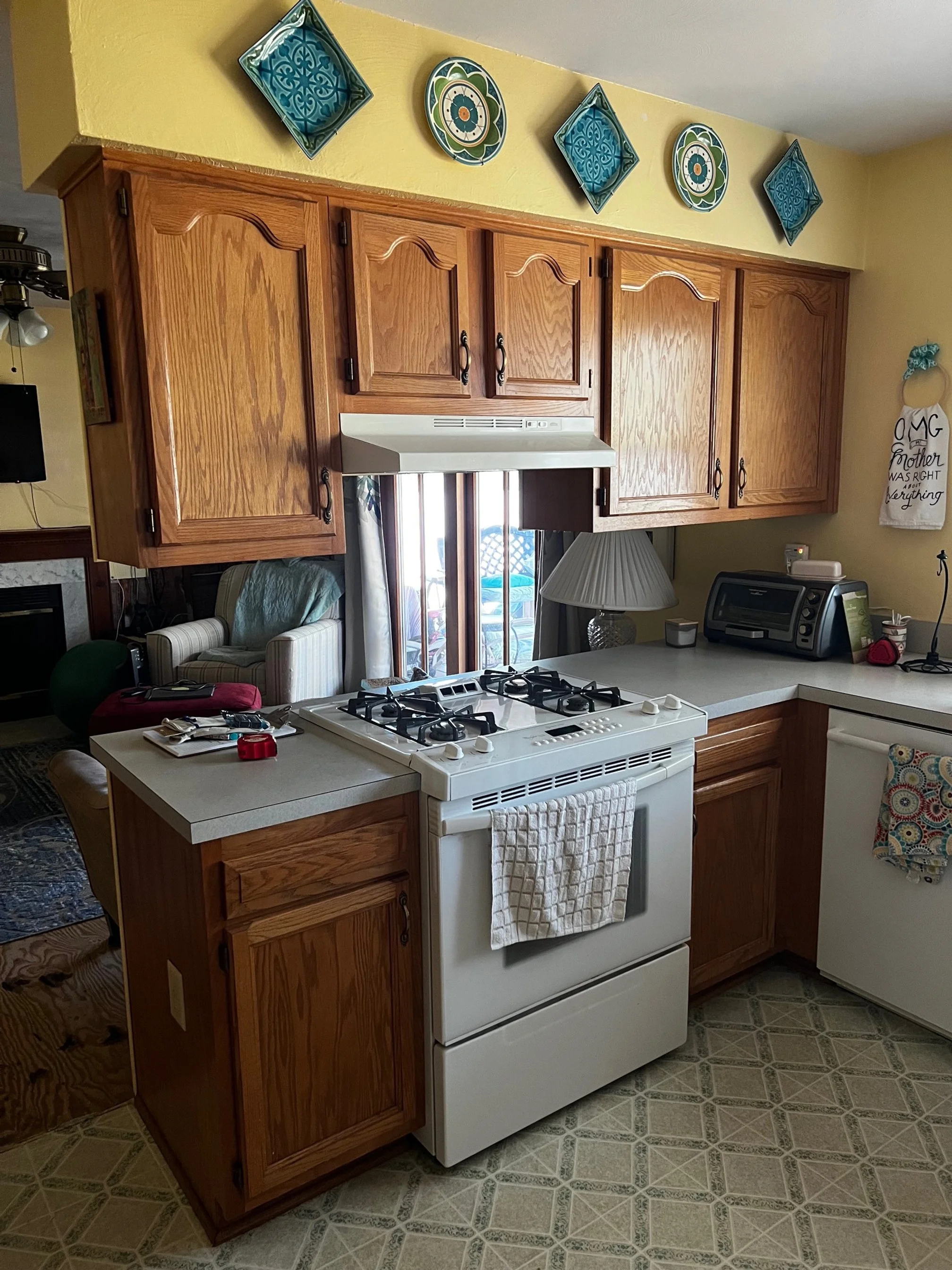
This family was ready for an update, both aesthetically and functionally. The overall footprint of the kitchen essentially stayed the same, but the space was utilized more efficiently to gain storage and increase countertop space. Cabinetry was added to the wall between kitchen and dining to create a fantastic bar and serving area for this newly revitalized gathering space.

BEFORE

The built-in wall oven was removed to make way for a peninsula, which still left ample space for a large range and chimney style hood. The peninsula not only gave this family significantly more storage and counter space, it also created an eating area that the previous layout was lacking.

design renderings

AFTER

Durable quartz countertops, two-tone cabinetry, stainless steel appliances, and a dimensional backsplash tile come together to make this a fantastic kitchen for the family to enjoy for many years.

Design: Jaime Simpson of Creative + Curated

Contractor: Jim Hicks Home Improvement

Before + After Photos: Courtesy of Jim Hicks Home Improvement

SURFACES - TILE PATTERNS

MORE TILE TALK

As a follow up to my recent post in which I discuss the various types of tile, this entry is focused on tile patterns. There are many different ways to arrange tile when installing on walls or floors, and the pattern can have a dramatic effect on the visual results.

The options are extensive, so I will be focusing on the patterns most often used for tile installations.

Example photos from past projects. From left to right: brick pattern (horizontal); herringbone; straight stack (horizontal); random stagger.


SET STRAIGHT or Straight stack

Shown horizontally.

This is basically as straightforward as it sounds (no pun intended). This tile pattern is the simplest, where tiles are placed end to end, with all edges lined up (no overlap or stagger). Rectangular tiles can be set straight vertically or horizontally.


1/2 STAGGER OR BRICK PATTERN

A staggered pattern can be implemented with square or rectangular tiles. The most common of the staggered patterns is the brick pattern or 1/2 stagger. Tiles in a brick pattern are staggered half the overall length of the tile, so that the end of one tile lines up with the center of the tiles above and below it. It is most widely known as a brick pattern because historically bricks are arranged this way.


1/3 STAGGER OR 1/3 OFFSET

Directional 1/3 stagger (to right), in horizontal orientation.

Like the brick pattern, the 1/3 stagger or offset is where tiles are staggered across some of the tiles adjacent to it. This can be done with square tiles, but the visual effect is more successful with rectangular tiles. With a 1/3 stagger, the tiles are lined up so that the end of one tile is 1/3 of the length of the tile across the next. This can be done two ways: the first is like steps, where each tile is 1/3 across the next going the same direction; the second is back and forth, where every other tile is 1/3 across, resulting in a back-and-forth placement.


RANDOM STAGGER

As the name implies, a random stagger is a non-specific stagger of each row of tiles. There is no specific distance for each stagger (there are no rules!), so the result is a loose, organic arrangement. This is most often used with plank-style tiles, which are long rectangular tiles (usually 6” x 36” or longer). It is used to emulate the pattern of hardwood flooring, which is typically installed in this way.


HERRINGBONE

I must admit that the herringbone pattern is a personal favorite. It is classic, timeless, and gives so much interest to a space. It also is wonderful in rooms or hallways with various angles or with walls out of square (straight or directional tile patterns enhance and draw attention to asymmetry and angles, not always in the best way). This pattern is used with rectangular tiles, where the short end of one tile overlaps the long side of the next tile at a 90-degree angle. It is more labor intensive, but so worth it.


DIAMOND

This pattern is created by taking square tiles that are set straight and rotating the arrangement 45 degrees so that the lines of the tile are now oriented diagonally to the frame of the space. This is a great way to add visual interest without adding lots of labor or tile waste.


MOSAIC

Example of mosaic patterns with the same tile shape.

Multitudes of mosaic tile patterns are available and are made up of small tiles cut into a specific pattern and placed on a mesh for ease of installation. Mosaic tiles often are in sheets about 12” x 12” and line up with each other so that the seams of the sheets are invisible after installation.


CHEVRON

Shown vertically - chevron can also be run horizontally.

A chevron tile pattern requires a specific tile shape - a parallelogram with two long sides and two shorter sides - and a specific tile placement. The short ends of the tile are placed together to make a “v.” The end result is a modern, sharp take on the herringbone.


HEXAGON

This pattern is also tile shape specific; the tiles are made in a hexagon shape and nestle together, side to side. Octagonal tiles are also available but are not as common as the hex.


VERSAILLES

Though not as common lately, the Versailles pattern is a classic pattern that incorporates 4 different tile sizes (1 small square, 1 larger square, 1 small rectangle, and 1 larger rectangle). These tiles are arranged in a specific order to create this look. It is a bit like a puzzle, and is more labor intensive. It is commonly used with travertine or other natural stone tiles.


Example photos from past projects. From left to right: herringbone on shower floor, straight stack (horizontal), and waterfall mosaic on wall; mosaic on wall; 1/3 stagger on floor with straight stack (horizontal) in shower; diamond with brick pattern border.

As I mentioned at the top, these are just some of the most common patterns in use these days; there is also the basketweave, the double herringbone, the scallop, the corridor …. So many! It is always great to mix tile patterns also. I usually use two or three patterns in one room (one for the shower floor, one for the shower walls, and one for the main bath floor). I also love to mix patterns on the same surface: perhaps a diamond pattern surrounded by a brick pattern rectangular border; or a vertical waterfall of a random stagger mosaic running through a straight stack of larger tiles; or a chevron inset framed by hexagon tiles. The right color palette and blend of textures can make any of those possible without being too busy. Tile is an amazing material and can make a room a showstopper in so many ways. Yay, tile!

JS

Line drawings found on Google. Project photo credits: Schneider Construction; Lianna Pevar Photography; Salazar Studios.

PRIMARY BATH REMODEL - NORFOLK

Though this remodel didn’t involve a full demo or a major layout change, the resulting transformation is still quite dramatic. The clients no longer had a need for the large tub that was using up valuable real estate; they opted to eliminate it to increase the storage capacity of the adjacent primary closet. They were ready for a reset of their color palette and an upgrade in accessories as well.

BEFORE

The shower moved to the tub’s former location, and the area that was the shower was captured for additional hanging and shelf space in the closet. The glass block window was removed, and the new deluxe shower was fitted with a rainshower, two showerheads, a handheld, and a custom bench (that the clients’ contactor was able to float!).

AFTER

Porcelain tile was used for the shower walls and main bathroom floor, and natural stone pebbles were used for the shower floor. The existing cabinetry was given new life with a fresh coat of white paint, new hardware, and a natural stone countertop. The large mirror with integrated LED lighting gives the whole space a bright, modern look. Another project I’m thankful to have been part of.

Design: Jaime Simpson of Creative + Curated

Contractor: Client’s Own

After Photos: Salazar Studios

SURFACES - TILE

Let’s talk about tile!

There is actually much to say about tile - the material types, sizes available, patterns, grout … the list goes on! This journal post will focus on material types. Don’t worry, I will have future journal posts on sizes and patterns, but for now, let’s start at the beginning. Below you will find the main types of tile currently used in homes, along with pros and cons of each.

Photos from past projects. From left to right: brick-look porcelain backsplash, glass mosaic tile, glass (blue) and ceramic (white) tiles, ceramic backsplash.


PORCELAIN TILE

I would say the most commonly used tile type these days would be porcelain. It is tough, solid, and good for any location: walls, floors, and even outdoors! Porcelain tile is created by “cooking” clay at extremely high temperatures, making it immensely hard and dense. It is available in a multitude of shapes, sizes, colors, and patterns. There are many porcelain tiles available that mimic natural stone and natural materials that give you the look without the maintenance.

Cons:

Pros:

  • Porcelain tile (and tile in general) has a cold feel to it most of the time, which can be uncomfortable for feet, especially in colder months

  • If not installed correctly, or if your home has significant settling, larger sized tiles can crack over time.

  • Tiles with a polished finish can be slippery.

  • Durable and long lasting

  • Scratch resistant

  • Many style and size options

  • Variety of price points

  • Waterproof

  • Stain resistant

  • Maintenance free

  • Suitable for all areas (walls, floors, outdoors)


CERAMIC TILE

Ceramic tiles are similar to porcelain tiles in that they are made of clay; the major difference, though, is that the clay of ceramic tiles is of coarser materials and is not fired at as high of temperatures. Ceramic tiles are therefore less dense, and not quite as tough. They can still be used for floors in light traffic residential areas (depending on the manufacturer), but they are not able to be used outdoors.

Cons:

Pros:

  • Ceramic tile (and tile in general) has a cold feel to it most of the time, which can be uncomfortable for feet, especially in colder months

  • If not installed correctly, or if your home has significant settling, larger sized tiles can crack over time

  • Tiles with a polished finish can be slippery

  • Ceramic tiles cannot be used outdoors

  • Fewer finish and texture options than porcelain tiles

  • Long lasting

  • Many style and size options

  • Variety of price points (typically lower than porcelain tiles)

  • Waterproof with glaze

  • Stain resistant

  • Maintenance free

  • Suitable for most areas (walls, floors)


GLASS TILE

Glass tiles are made up of various glass formulas, and can be smooth, textured, opaque, clear, solid or multi-color. Most glass tiles are not able to be used on floors, but some manufacturers do have options that are safe and durable enough for floor use. Most glass tiles are on the smaller side or set up as a mosaic pattern.

Cons:

Pros:

  • Glass tile (and tile in general) has a cold feel to it most of the time, which can be uncomfortable for feet, especially in colder months

  • Generally a higher price point

  • Not always safe or durable enough for floor or outdoor use (check with your supplier)

  • Sizes are generally 3 x 12 or smaller

  • Susceptible to scratches (especially smooth glass)

  • Unique look

  • Long lasting

  • Many color and finish options

  • Variety of size and shape options (smaller scale)

  • Waterproof

  • Maintenance free

  • Can be used in many locations depending on manufacturer

  • Some manufacturers use recycled glass material (yay for green products!)


NATURAL STONE TILE

Several different types of tile fit this description. Basically, what I mean by natural stone tile is any tile that is made from a naturally occurring stone material. This group includes marble, granite, travertine, pebbles, river rock, etc. These tiles have beautiful patterns, textures, and color variations that are unique to each piece. They are lovely but come with specific maintenance requirements that are important to be aware of.

Cons:

Pros:

  • Natural stone tile (and tile in general) has a cold feel to it most of the time, which can be uncomfortable for feet, especially in colder months

  • Generally, a higher price point

  • Not always safe or durable enough for floor or outdoor use (dependent on material type)

  • Susceptible to scratches (especially polished finishes)

  • Porous, therefore susceptible to stains and bacteria

  • Requires regular application of sealant to minimize liquid absorption

  • If not installed correctly, or if your home has significant settling, larger sized tiles can crack over time

  • Tiles with a polished finish can be slippery

  • Unique colors and patterns

  • Long lasting

  • Many color and finish options

  • Variety of size and shape options

  • Can be used in most locations, including outdoors (check with your supplier)


LUXURY VINYL TILE and planks

Luxury vinyl tile (also known as LVT or LVP for luxury vinyl planks) is made up of (you guessed it!) vinyl. But the LVT and LVP products that are on the market now are very different from the sheet vinyl flooring (or Linoleum) of years past. LVT and LVP are meant to be used for flooring. This material is a layer of the vinyl on top, with a substrate layer for firmness and stability. The thickness of the vinyl and the substrate layer vary by manufacturer. Luxury vinyl products are extremely durable and, in most cases, waterproof. LVT products imitate the look of porcelain tiles, and LVP products imitate the look of hardwood flooring.

Cons:

Pros:

  • Some finishes are not as successful at imitating stone or wood

  • Mainly used for flooring only (not for walls or in showers)

  • Not recommended for outdoor use

  • Durable and long lasting

  • Scratch resistant

  • Several color and finish options

  • Variety of size and shape options

  • Waterproof

  • Maintenance free

  • Typically a lower price point for materials and installation

  • Warmer feel than other tiles

  • No grout or sealant needed


Tile is one of my favorite materials to work with - between all of the tile types, there are almost endless options and design opportunities. This post doesn’t cover all tiles, but I did want to discuss the main types that are readily available and commonly used. Be sure to consider all the pros and cons when deciding on which type of tile to feature in your home. Other tiles that I have not yet mentioned that you may see out and about are brick tiles, cork tiles, and cement tiles. I would encourage you to look into those if you find them appealing; they all have very specific maintenance needs and vary in durability.

I will share another post soon that will discuss tile patterns and styling, so stay tuned!

JS

Home Styling - Norfolk

I was thrilled to partner with Ideal Organizing on this fun decor project. These clients had recently purchased a new investment property and were in need of fresh furnishings and accessories. Many of the furniture pieces had already been selected, but I had the joy of adding the finishing touches - the art, window dressings, and accessories.

The goal was a modern coastal vibe, and in my humble opinion, I think we achieved it. I had such a great time selecting and placing these final touches - those are the icing on the cake.

Photos Courtesy of Francesca Chairello

PRIMARY BATH REMODEL - VIRGINIA BEACH

These clients felt lucky to have a spacious primary bath. The problem, however, was that the space was not being utilized in the best ways. The immense tub and tub surround filled up most of the room, leaving the shower space cramped and dark. There was so much untapped potential, and I was beyond ready to help them create the serene and tranquil retreat they had always hoped for.

BEFORE

This was a great collaboration - my design concept gave the clients the tools and information needed for them to source the fixtures and materials, and allow them to play an important part in this transformation in their home. The images below are two of my design renderings for the space.

The existing jetted tub was removed, and the large surround completely demoed to allow for a larger shower. The updated shower was wrapped in a partial wall topped with glass, to allow more light to flow between the shower and main bath area. The reworking of this part of the bathroom, along with a new freestanding tub, made space for additional cabinetry storage.

AFTER

The vanity area kept the same footprint, and was revived with fresh cabinetry, natural stone countertops, a colorful backdrop, and unique sconces. The results are thrilling.

Design: Jaime Simpson of Creative + Curated

Contractor: Coradi Contracting

After Photos: Courtesy of Coradi Contracting