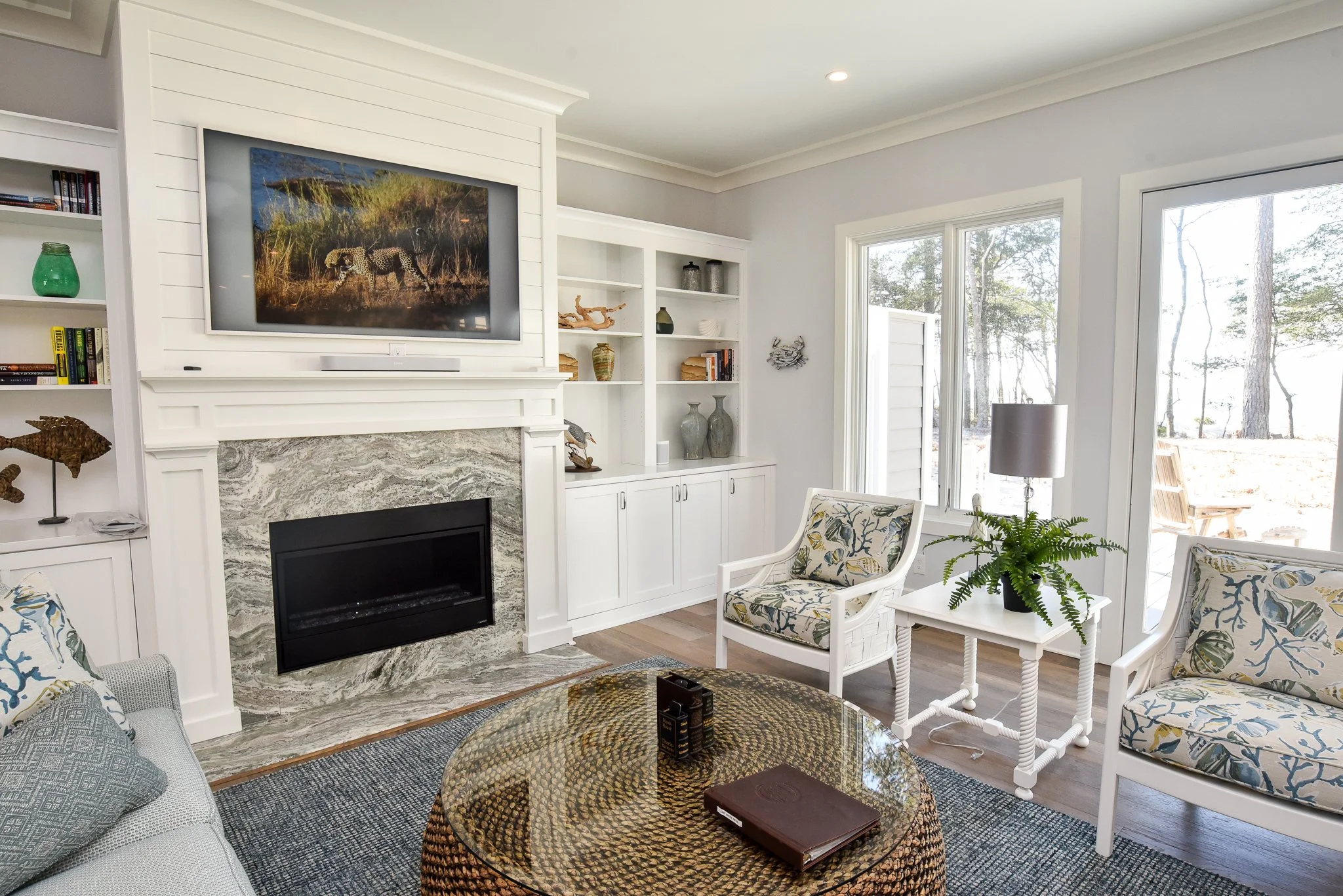
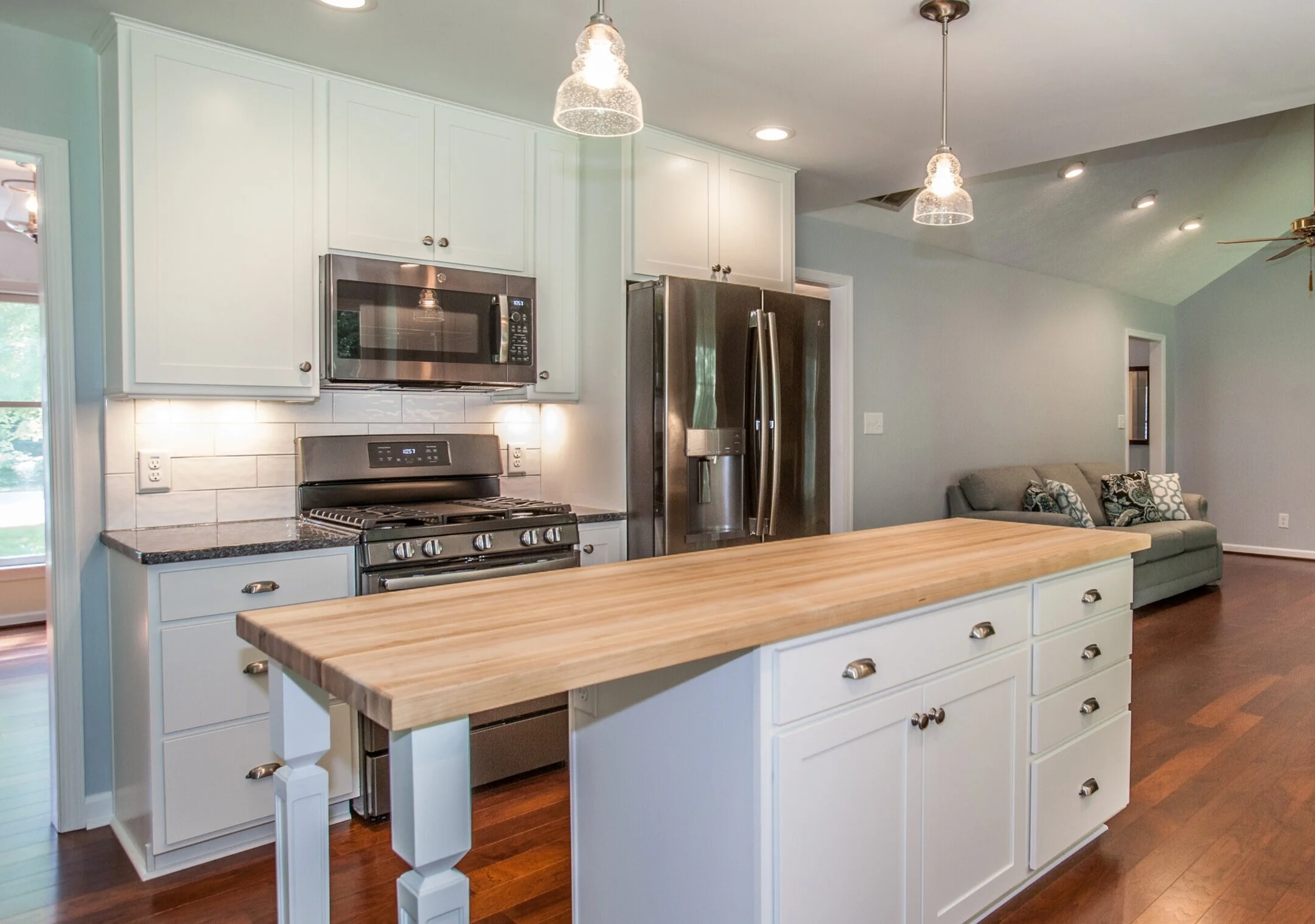
INSIGHTS: Incorporating Art

“Art washes away from the soul the dust of everyday life.” - Pablo Picasso

Visual arts evoke emotions in all of us. Some genres of art speak to us more than others; I love it all, but I am partial to abstract paintings, mixed media collages, glass works, and photography. A good friend of mine prefers sculpture, another loves charcoal and pastels, and another favors surrealism.

Incorporating art of any kind into our homes establishes a deep connection between ourselves and our spaces that is unique and impactful. Not only does the art give texture and color, it adds depth to the way the space feels when we are in it - how we feel.
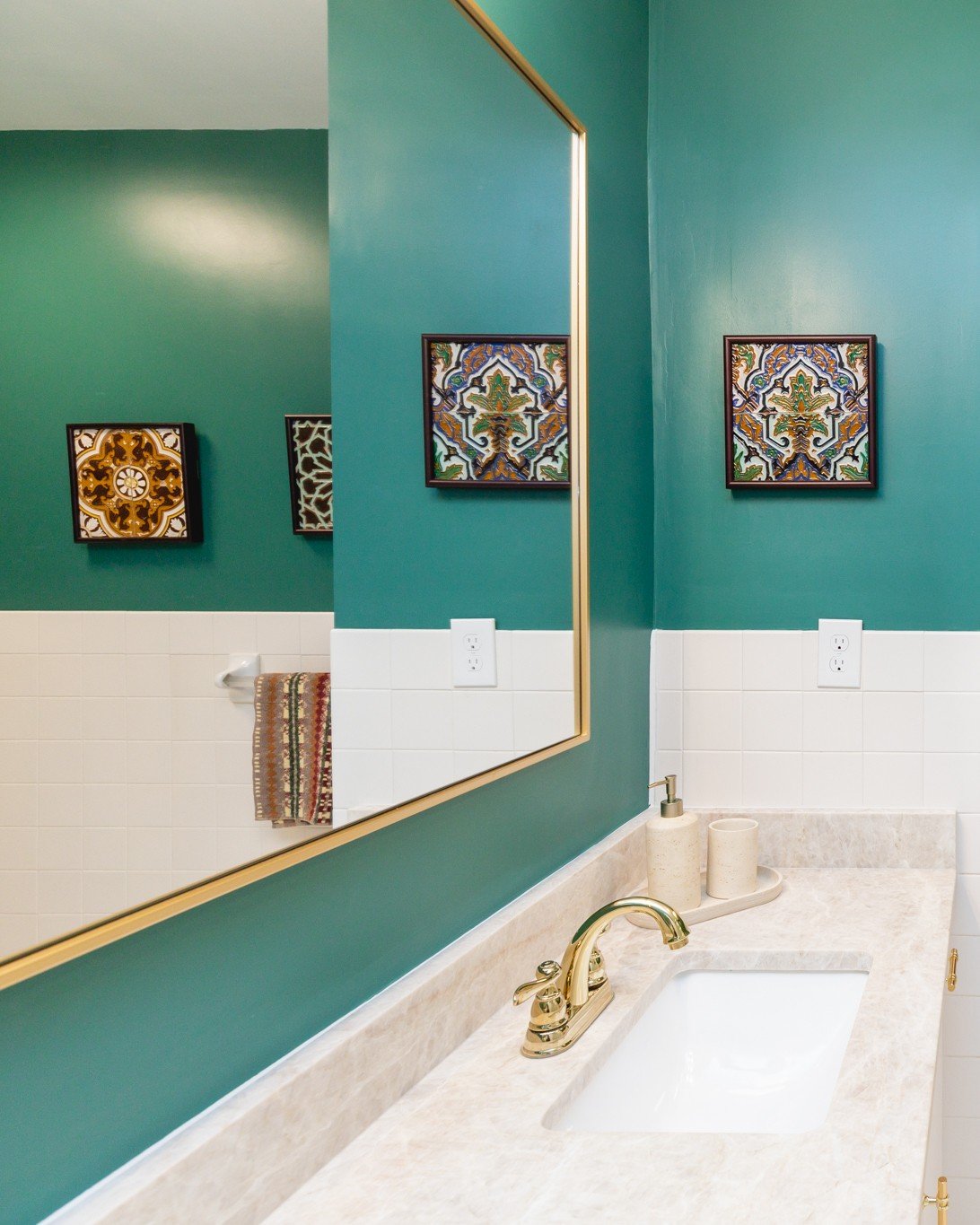
Project photo by Lianna Pevar Photography

STYLE + SOURCING:

When adding art to an existing area, I always consider the energy and personality of the space. Bright, peaceful, and airy? I look for softer, lofty color tones with gentle lines. Bold, energized, and lively? I source pieces with strong contrast, saturation, and movement. Earthy and natural? I find elements with texture and tone variation.

I try to source pieces from local and regional artists whenever I can; art shows and openings are great introductions to artists and their styles. I also have trade suppliers that I can turn to for specific styles and types. When traveling, I love to find art galleries that showcase art from the area. Antique galleries, thrift stores, and consignment shops are also great sources for unique and unexpected pieces. Museums, galleries, and individual artists also often have art prints available in various sizes.

Before sourcing new pieces, though, I encourage reviewing existing collections of framed art and accessories. Sometimes relocating existing pieces can completely enliven the spaces and inject a whole new energy.

SCALE + PLACEMENT:
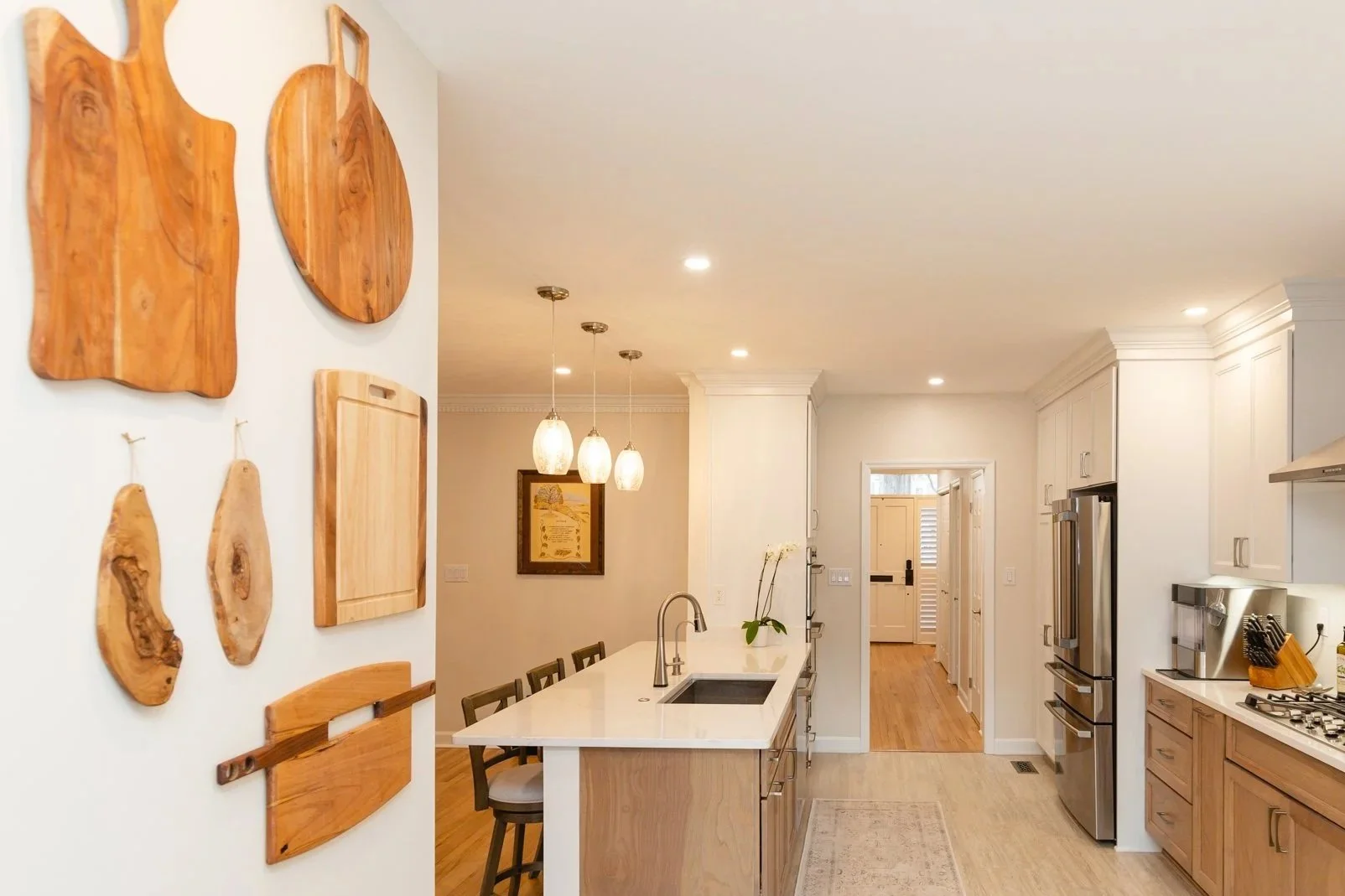
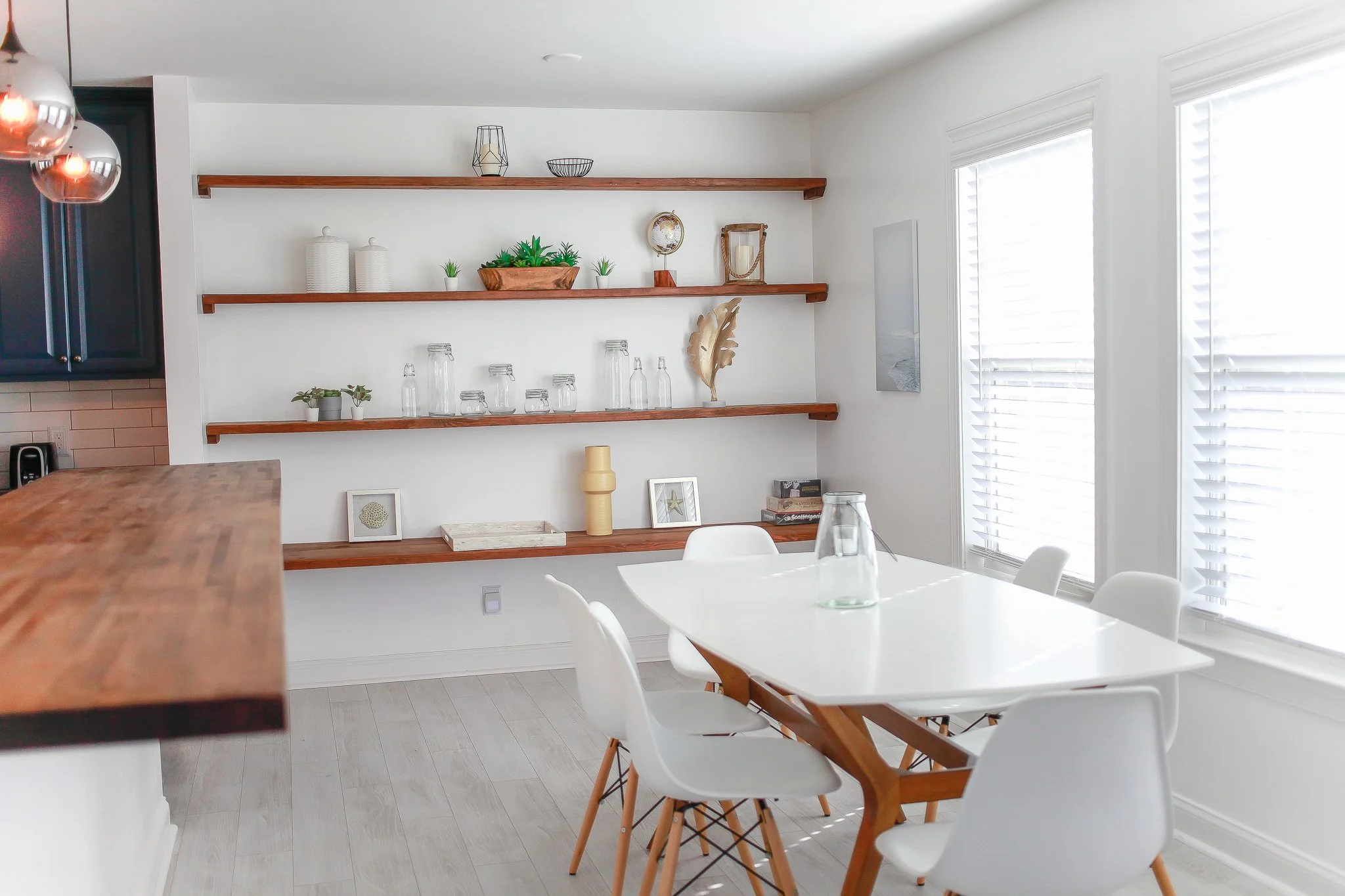
Project photo by Lianna Pevar Photography

Each space is different and should be treated individually. It is always important to consider the scale of the art location when determining the pieces that will go there. On a wide, deep display shelf, it is best to include 3-dimensional pieces that are larger, with varying heights, to better fill the area and not have the pieces feeling lost in the negative space.

For small wall areas, I recommend leaving several inches (4” at minimum) between an art piece and adjacent door / window trim, corner, or other opening so it doesn’t feel squeezed in. For expansive wall spaces, large individual pieces or multiple smaller pieces in a grouping (diptychs, triptychs, or “gallery walls”) work well to give visual weight to the art and balance the wall surface area.

When hanging wall pieces or groupings, it is best to have the center of the element(s) be at a general eye-level (around 58-60” above the floor).

A LITTLE MORE ABOUT GROUPINGS:
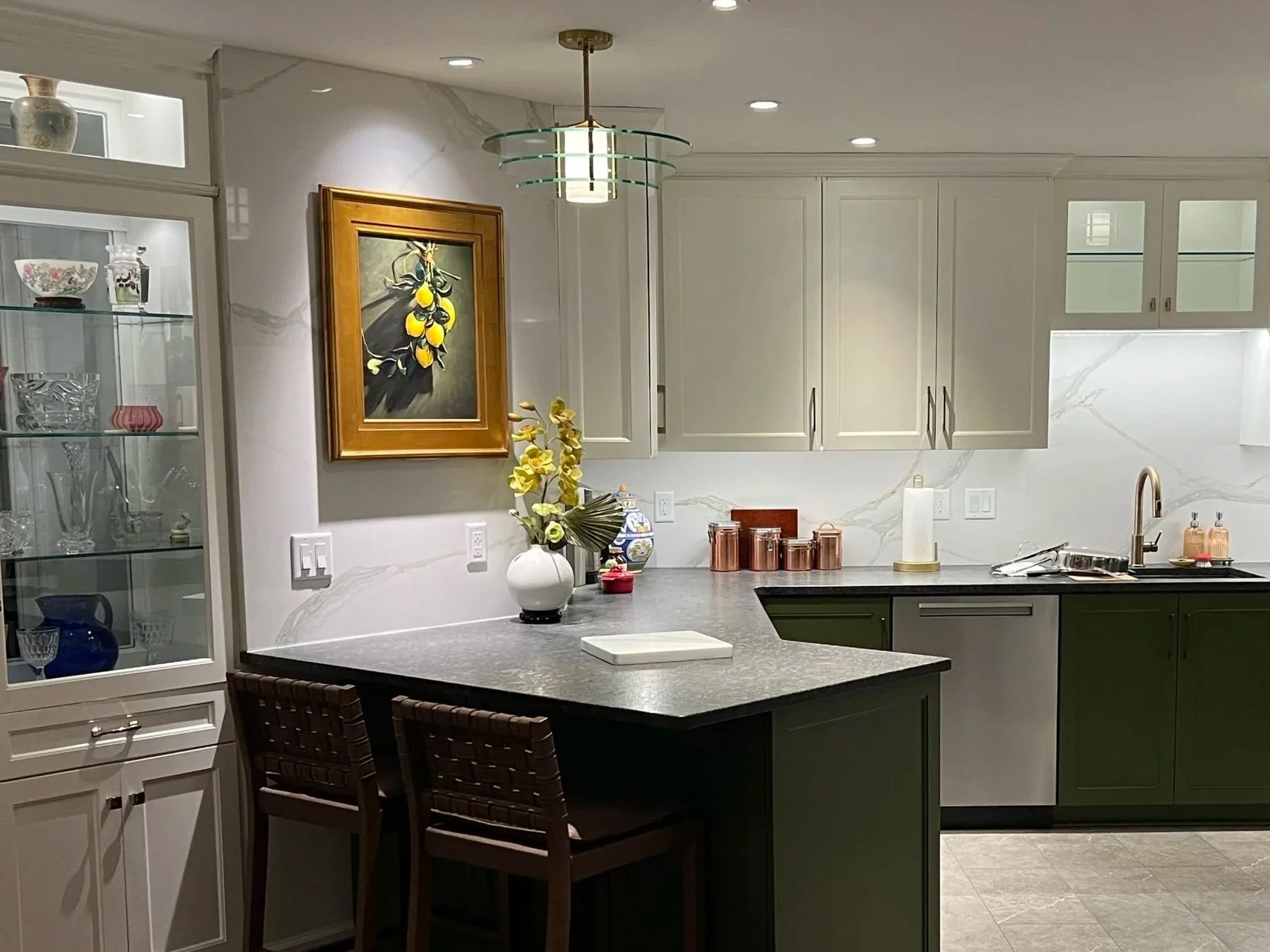
Project photo courtesy of clients.

Whether framed pieces on the wall or sculptural items on a shelf or table, groupings can be approached multiple ways. I recommend finding either connection or contrast amongst the items: for connection, that could be a common color, shape, or theme; for contrast, it could be diametrically different styles, straight lines vs. curves, or complementary colors (opposite on the color wheel).

MAKE YOUR OWN ART:

Creating art is a wonderful and unique experience that is like nothing else. There are many classes and workshops available locally that provide the opportunity to learn various art processes and media. If you have always wanted to try sculpture, or photography, or watercolors, or [insert your choice here], I highly encourage you to go for it.

Art is the element that puts the cherry on top; it makes the space a meaningful one. It brings personality, emotion, and depth, creating an atmosphere with harmony and connection.
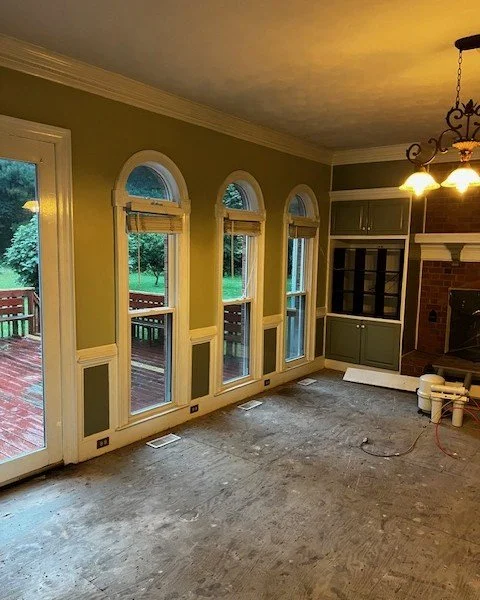
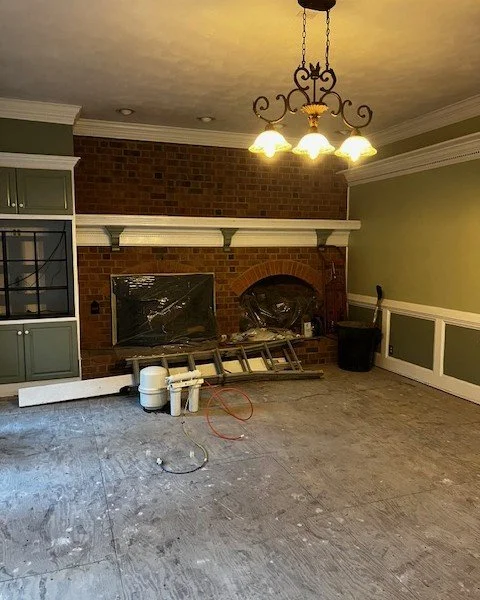
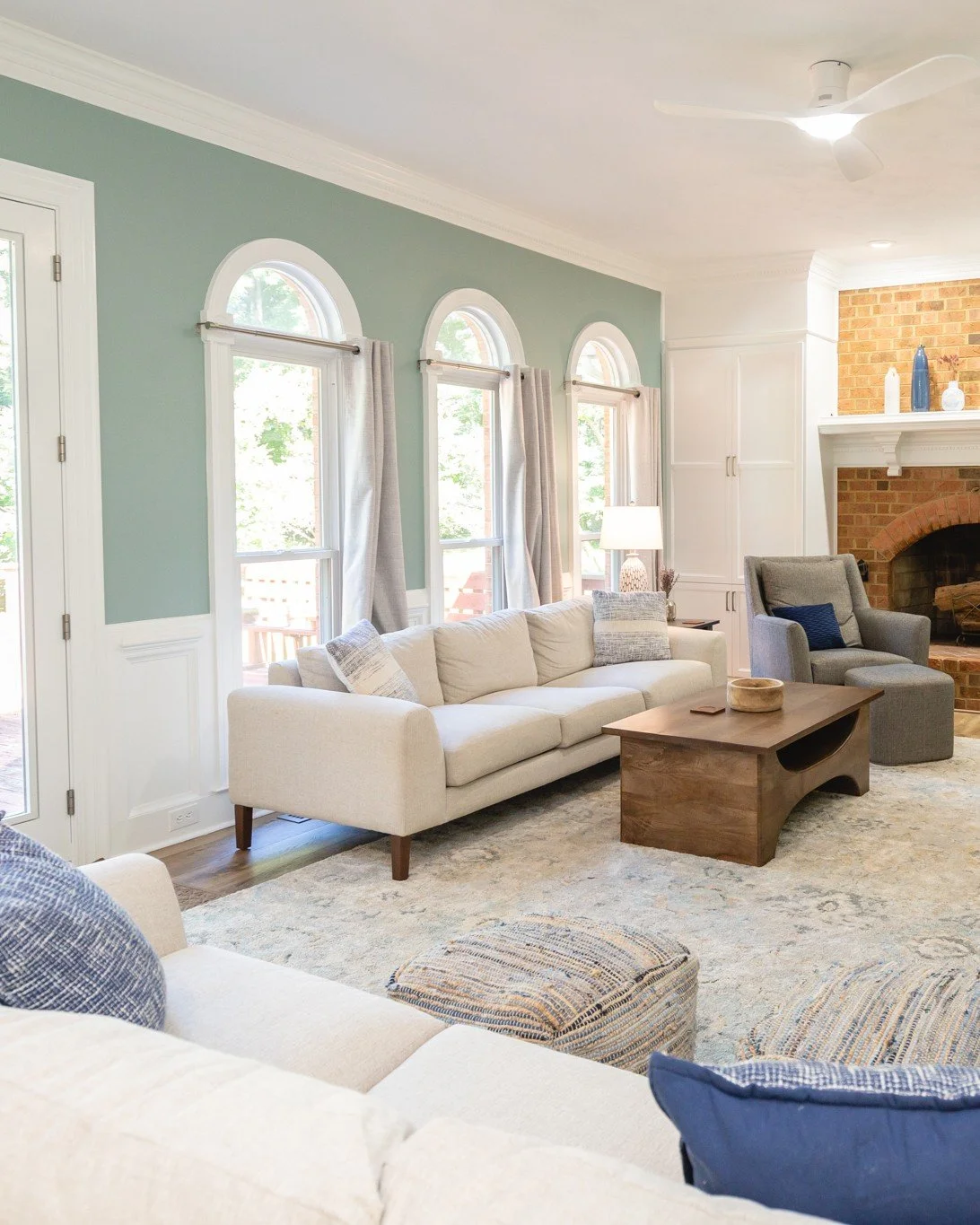
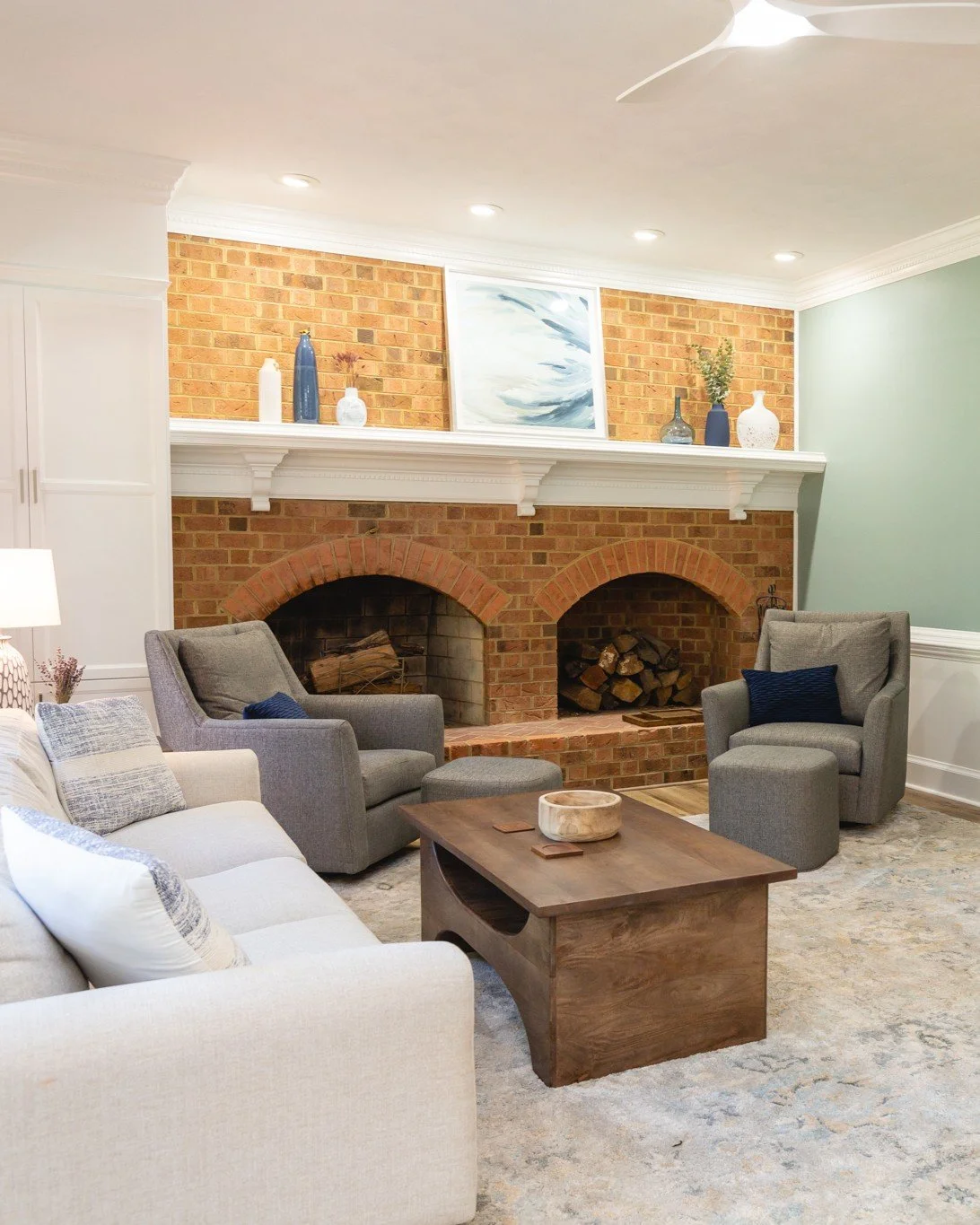
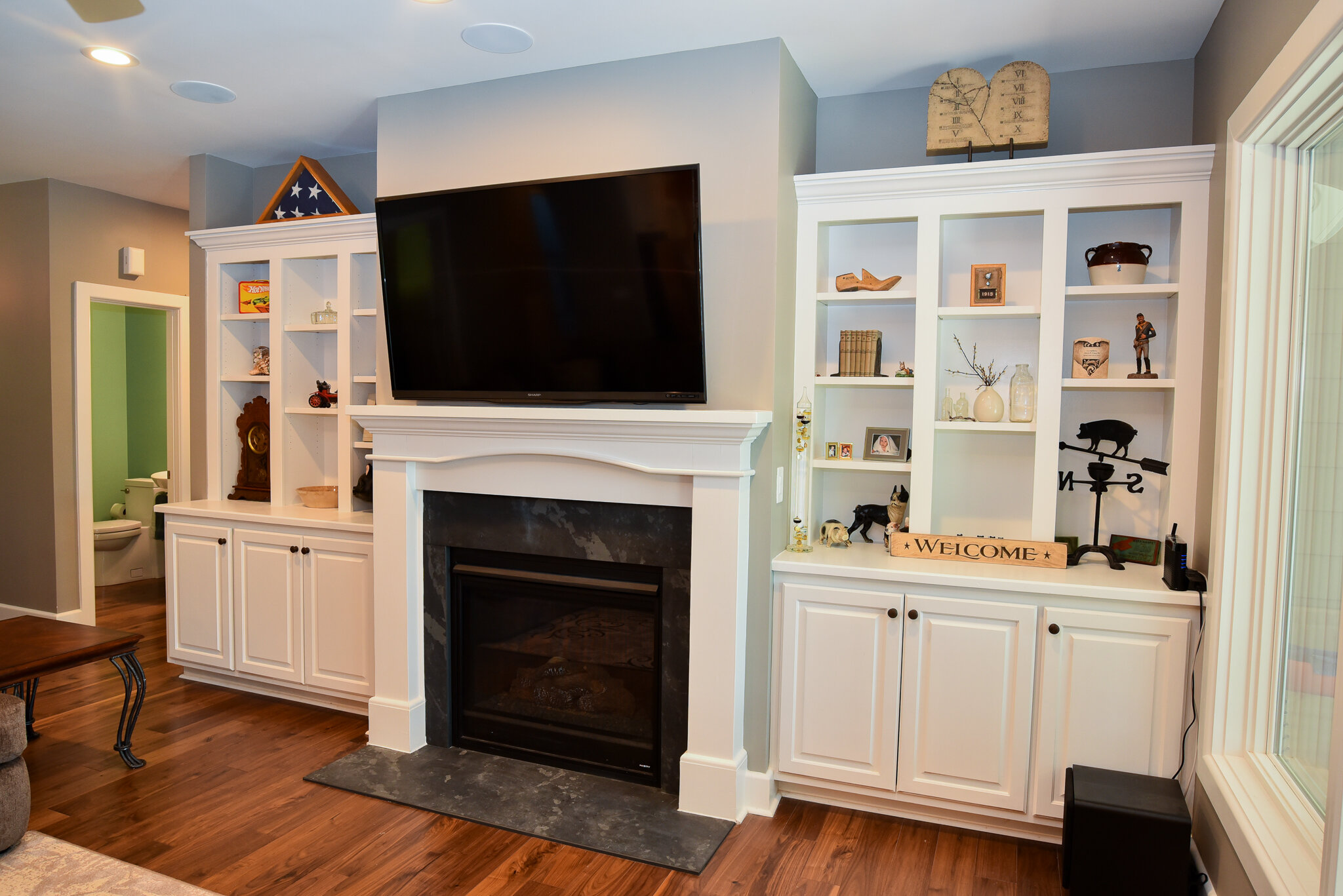
FAMILY ROOM DESIGN - CHESAPEAKE

This room’s transformation was part of a larger first floor remodel that included the kitchen, primary suite, and laundry/mudroom areas. (Stay tuned for those exciting details!)

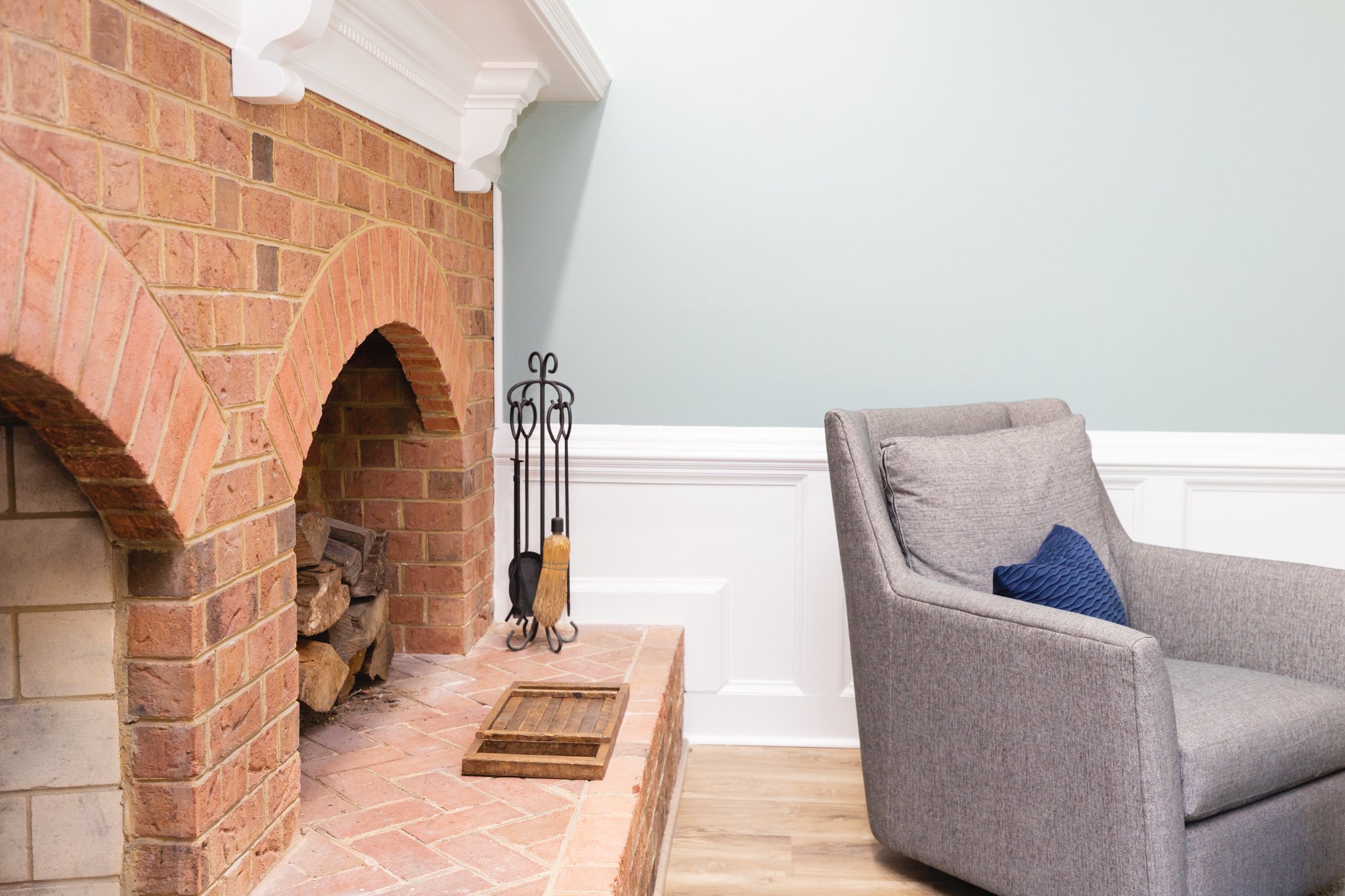
In this space, the clients wished to maintain the original brick, but freshen up everything else. The trim details were refined, including custom cabinet doors and shelving to update the built-ins and increase their functionality.

before

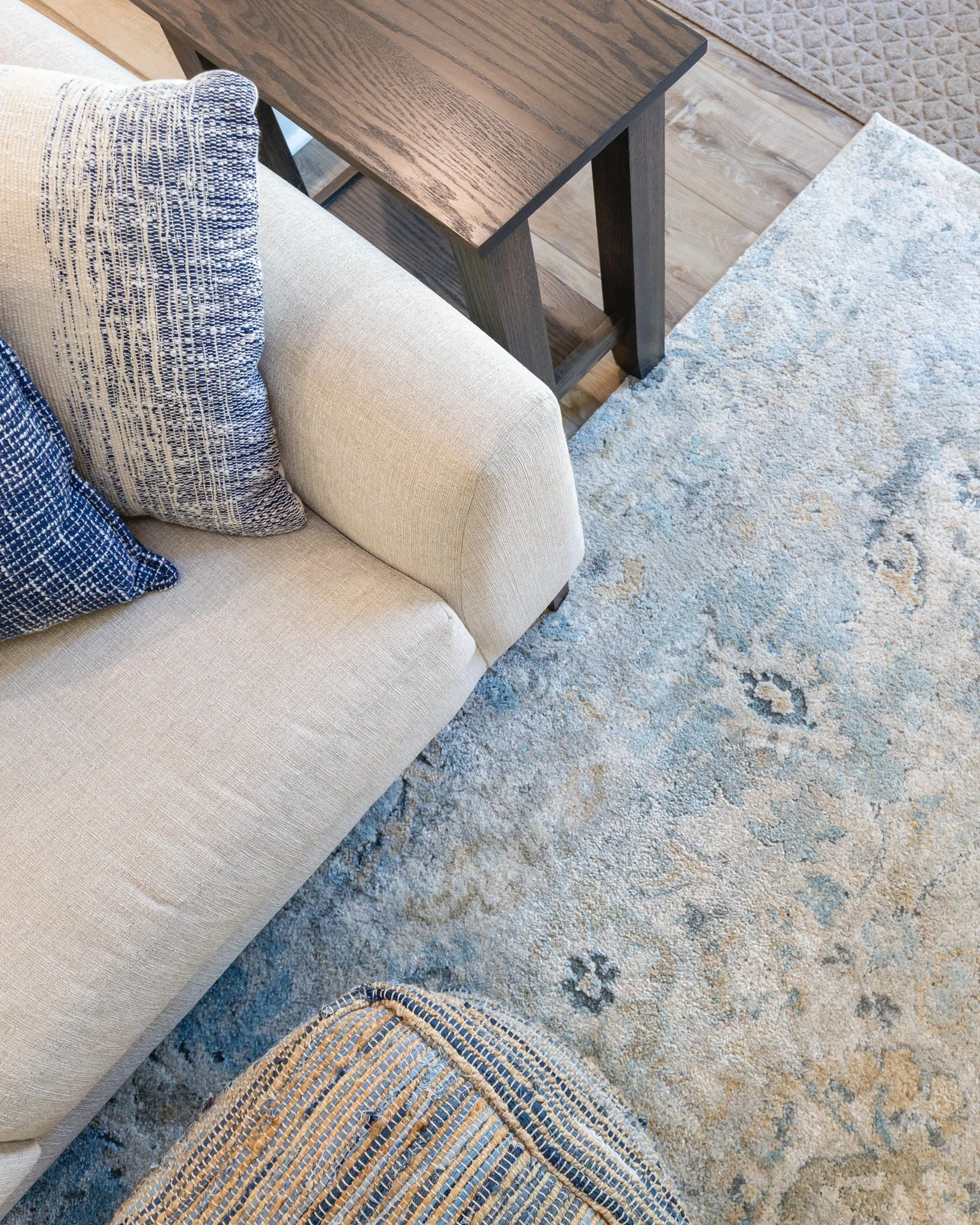
New flooring and a new paint palette create the perfect backdrop for the new furnishings and decor. The lighting was updated to provide a better atmosphere. Seating for eight, plus a few extra spots using the poufs, make this an incredible gathering space for this family.

Yay, design!

Design: Jaime Simpson of Creative + Curated

Contractor: DB Construction

After Photos: Lianna Pevar

Home Styling - Norfolk

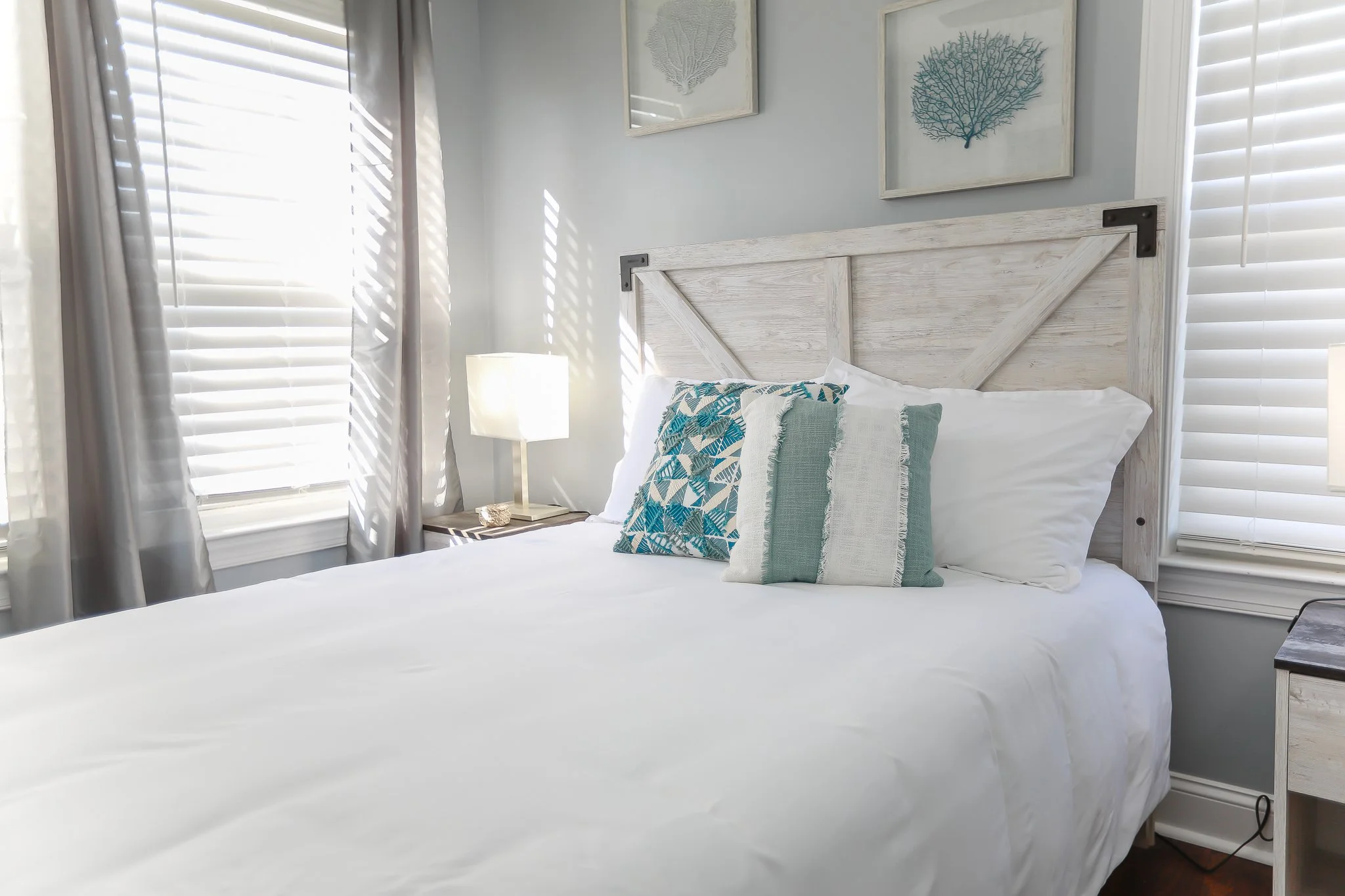
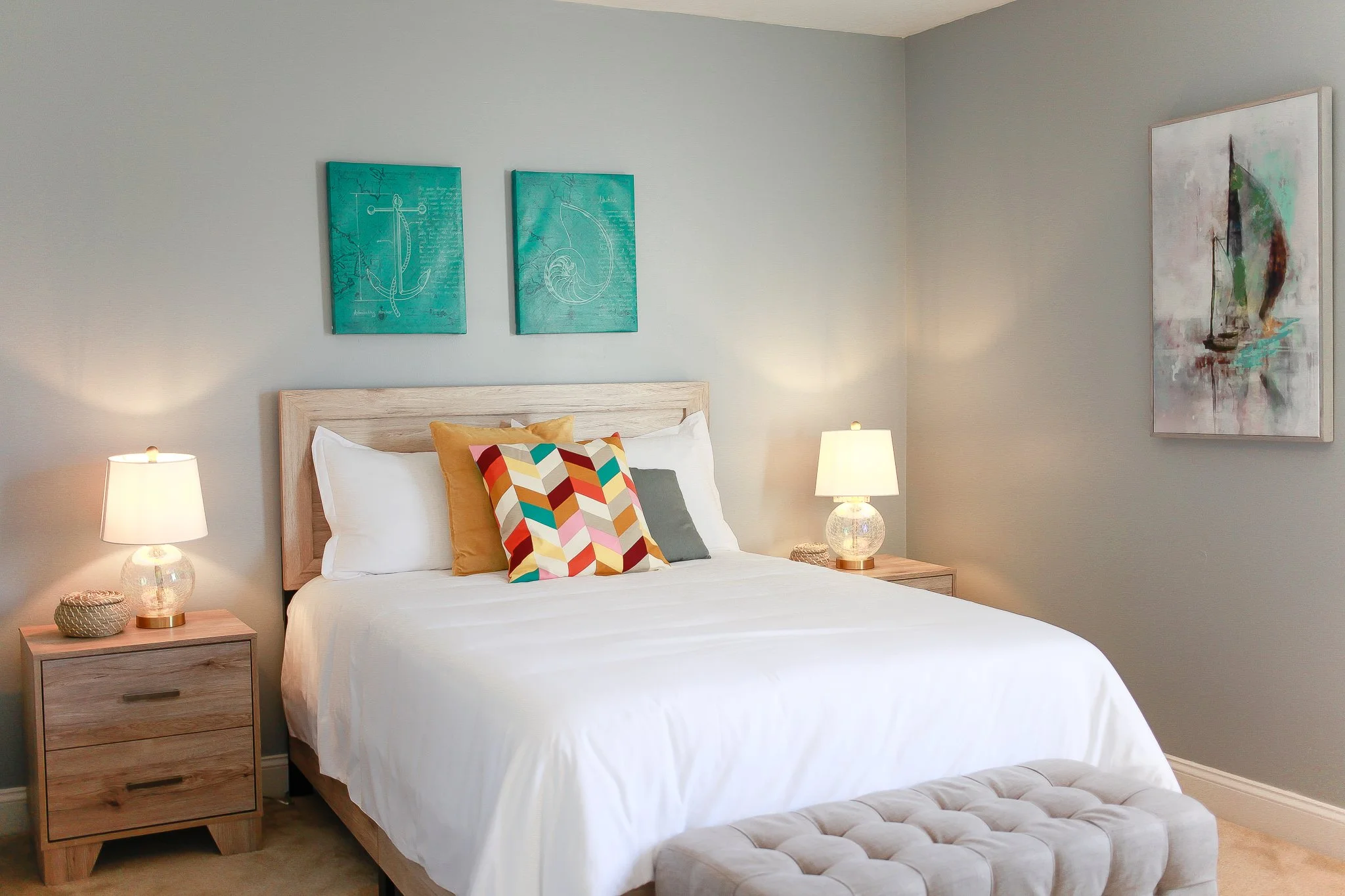
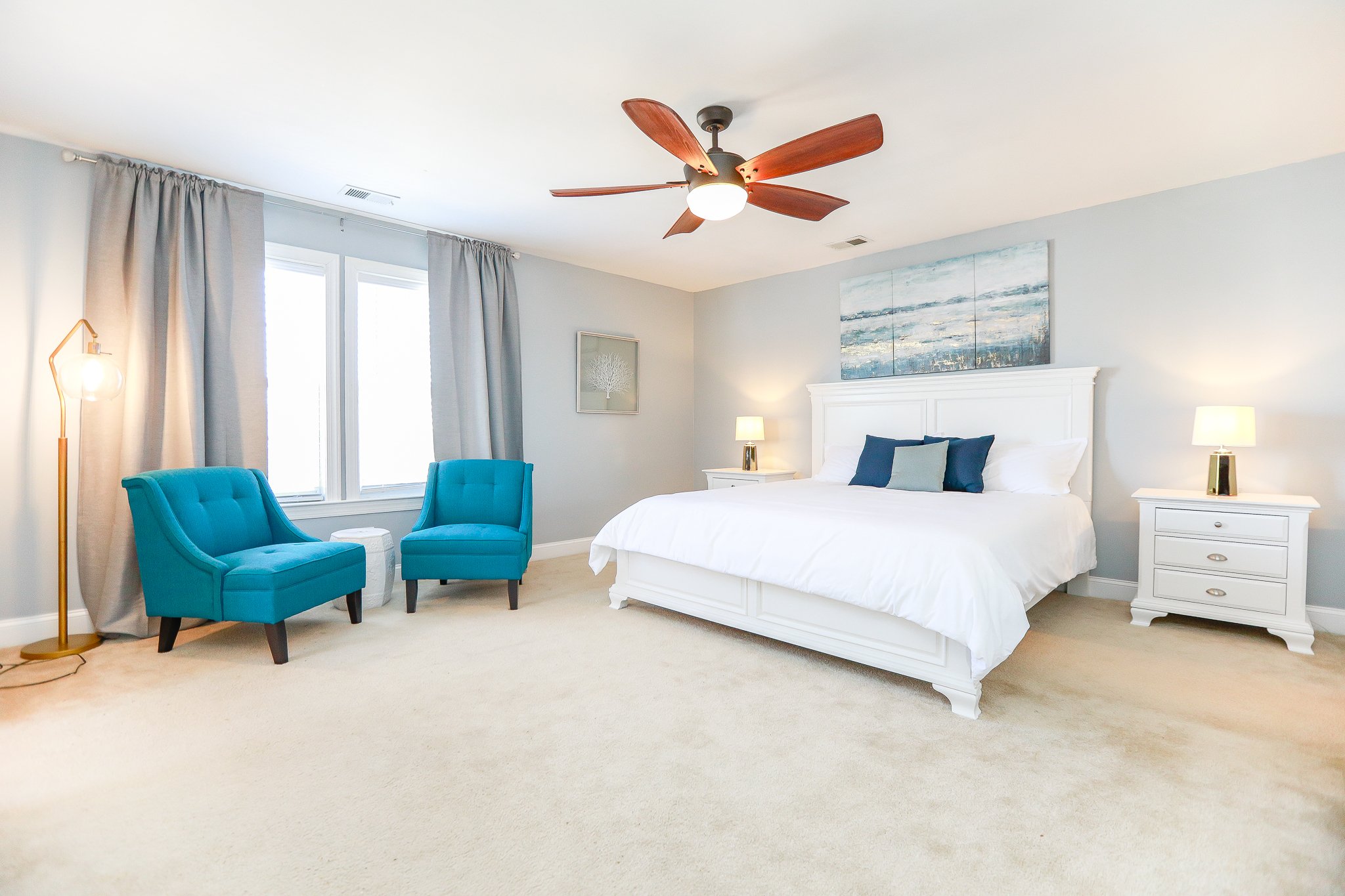
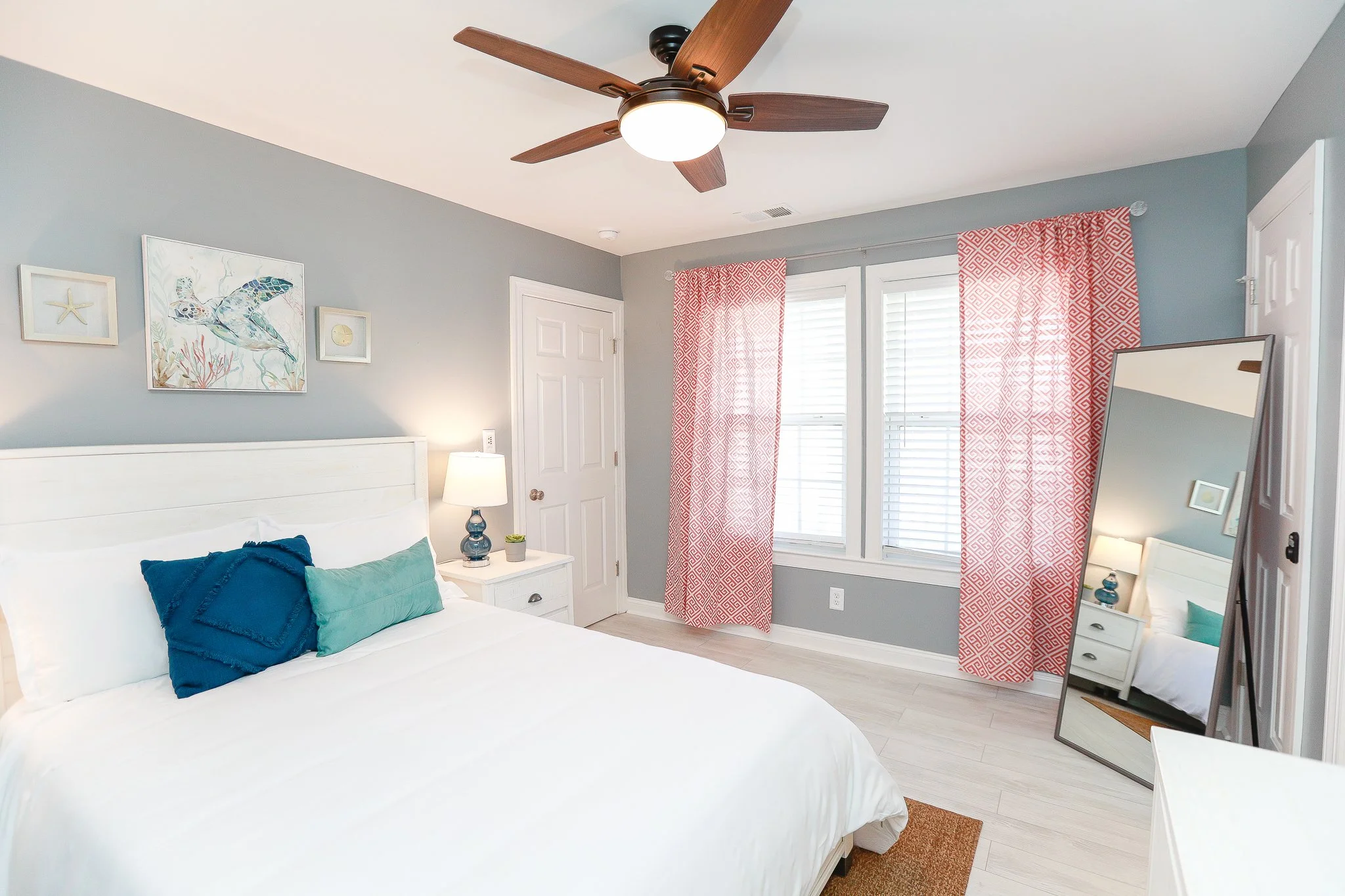
I was thrilled to partner with Ideal Organizing on this fun decor project. These clients had recently purchased a new investment property and were in need of fresh furnishings and accessories. Many of the furniture pieces had already been selected, but I had the joy of adding the finishing touches - the art, window dressings, and accessories.

The goal was a modern coastal vibe, and in my humble opinion, I think we achieved it. I had such a great time selecting and placing these final touches - those are the icing on the cake.

Photos Courtesy of Francesca Chairello

DESIGNING FROM A DISTANCE

Though it is always best to have the opportunity to meet in person during design projects, it is entirely possible to have a productive, positive, and successful experience designing virtually.


When considering how the design process has changed, many things have actually stayed the same: prior to COVID-19, I was often communicating ideas, drawings, and concepts digitally through email; I was familiar with brainstorming with clients who lived out of the area over FaceTime; and I definitely had more than one meeting with suppliers and manufacturers’ reps over Zoom or Skype.

These experiences, unbeknownst to me at the time, prepared me for the shift that has taken place as quarantining and social distancing have become part of the process. I am currently meeting with clients in person (with face coverings, social distancing, and other safety measures in place), but have maintained my virtual services for those clients wishing to have a fully virtual experience, as well as for those clients who are out of my local area.

I’ll give you a bit of a behind the scenes, play by play of how a virtual design experience would go:

Virtual Consultations

(for those interested in consultations only, and not a full design concept)

  • The first step would be a phone call to discuss the general topic of the upcoming consultation and to determine the date and time for the 30 or 60 minute session to be held over FaceTime or Zoom. Any helpful inspiration photos that the clients have collected would be sent to me prior to the consultation.

  • During the consultation, the client would show me the space to be discussed and ask any questions they may have. For example, if a client is looking to update their furniture arrangement, they could show me the space, provide me with any necessary measurements on the spot, and I would then provide my recommendations.

  • After the consultation, I would provide a summary of our discussion, with any decisions and specific selections listed in detail. This would be sent via email.

Design Concepts

  • The first step would again be an initial phone call to discuss the scope of the project, including the general goals of the new design.

  • A virtual consultation would happen next, so that I could see the space(s) in full and have a more in-depth discussion with the clients about the desired changes. Measurements would be provided at this point, and discussion of the desired style and color palette as well. Inspiration photos would be shared with me at this stage.

  • My next step would be to design the layout of the space and create design concepts with my recommended materials, fixtures, and furnishings (usually two different options). This presentation would be sent to the clients via email, and followed up with a phone call to discuss.

  • After receiving feedback from the clients, any necessary revisions would be made and the presentation adjusted. All available physical samples of finishes and fabrics would be sent to the clients for review.

  • Once the layout and selections were finalized, I would put together a spreadsheet of selections with source information for the clients or their contractor. All drawings would have detailed notes to ensure the design is implemented properly.

  • During the execution of the project, I would be available to meet virtually with the clients, the contractors, and tradespeople to confirm details and answer any questions.

  • Once the project is complete, there would be a virtual meeting for me to see the end result and celebrate with my clients.

Despite the changes that have taken place in this industry, much of the design experience remains the same. The virtual process can still be a fun, transformative adventure. There’s just a little more distance involved.

Are you interested in a virtual consultation? Let’s chat!